About this artwork
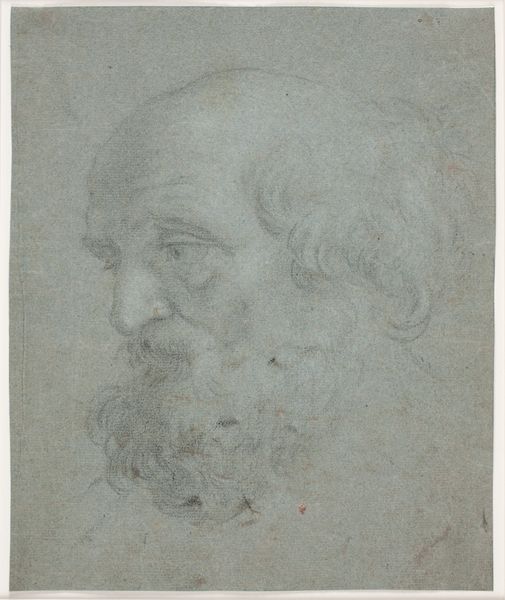
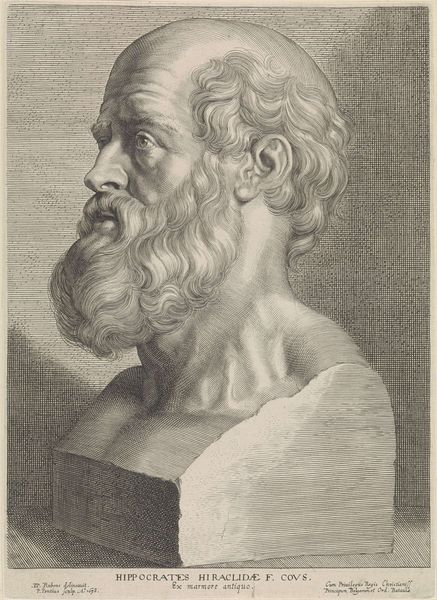
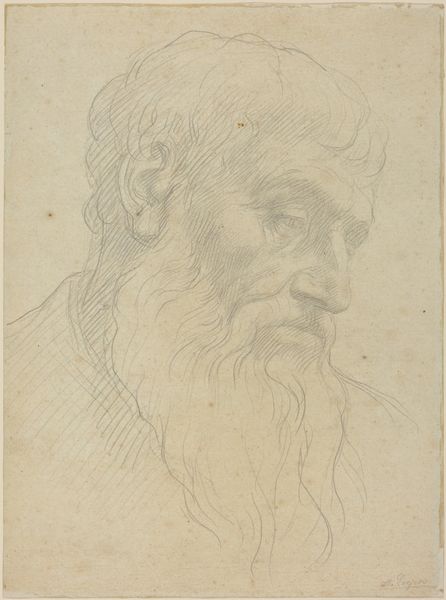
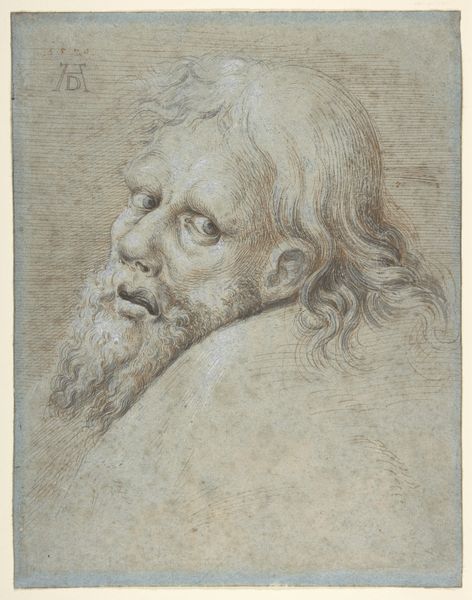
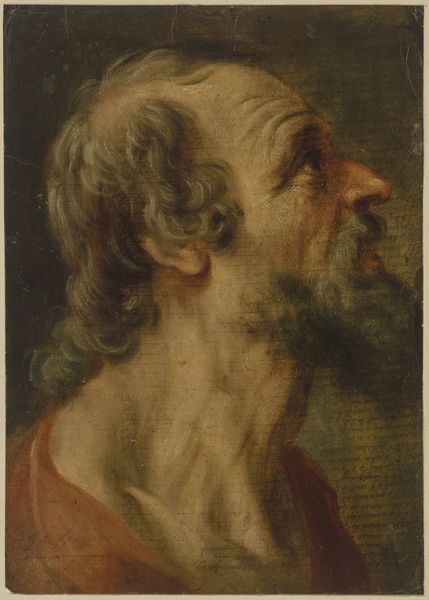
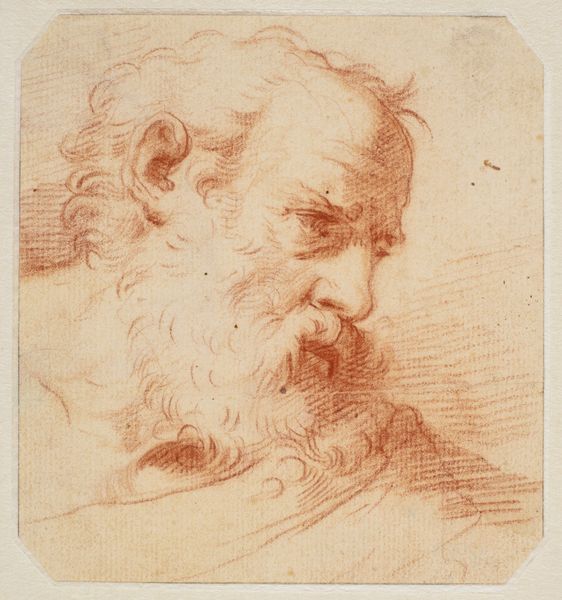
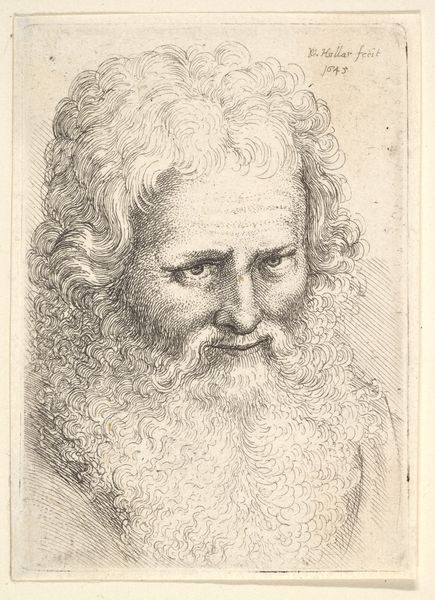
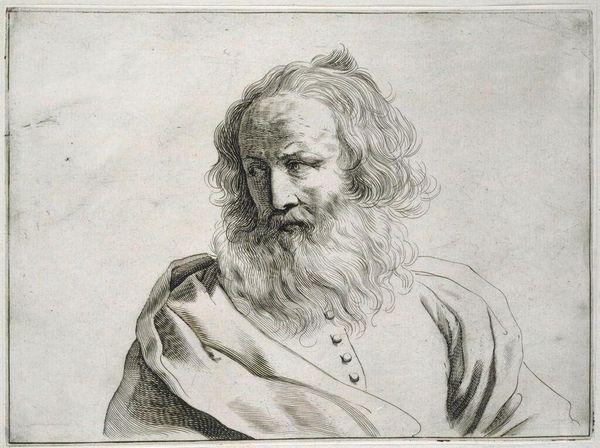
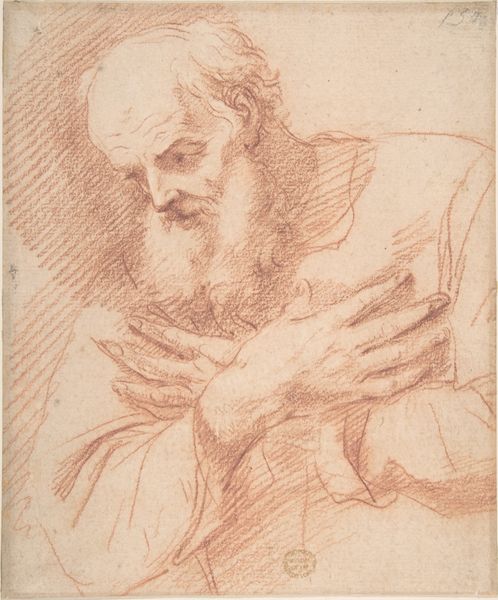
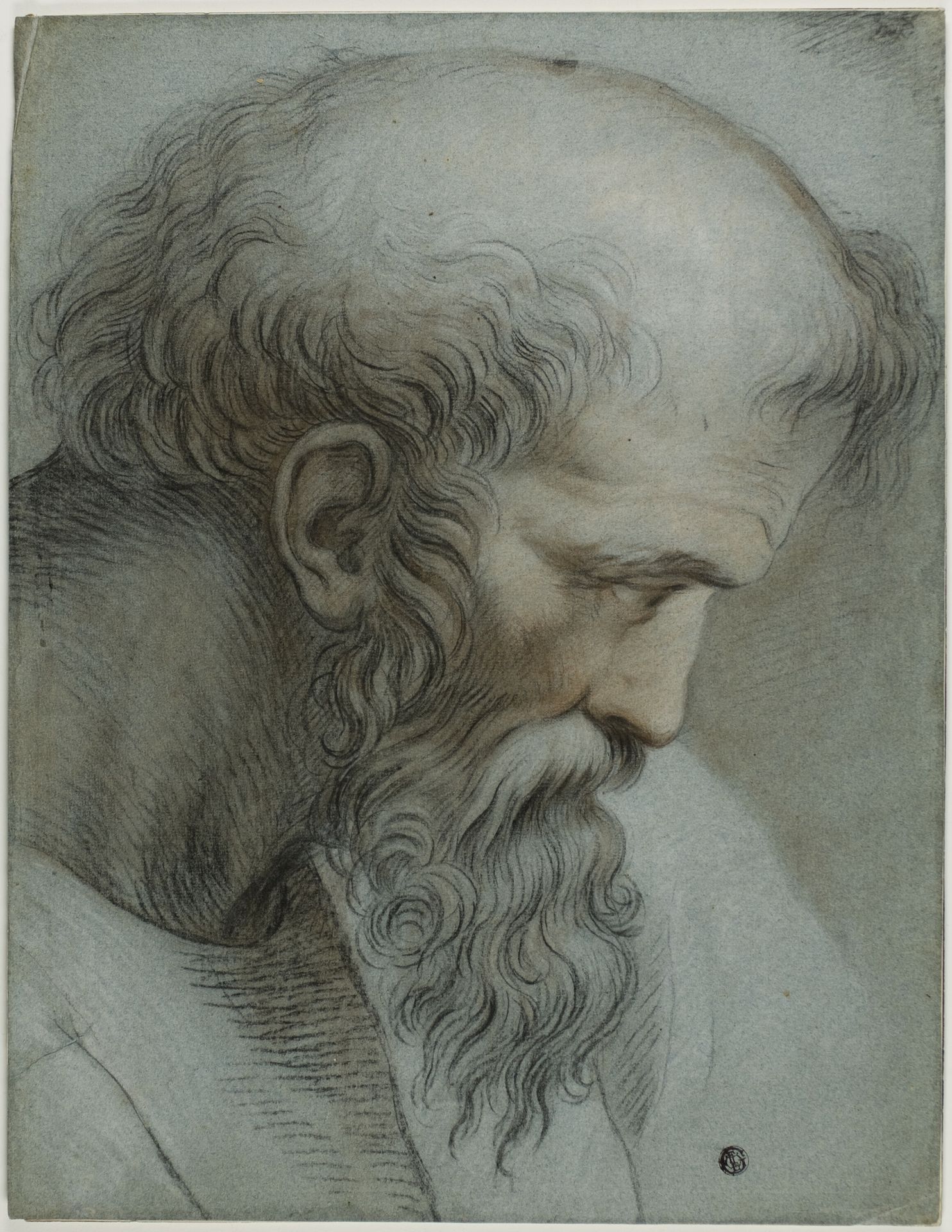
Raphael sketched "Head of Pythagoras" using metalpoint, black chalk, and white heightening on blue paper during the early 16th century. As a leading artist of the Italian High Renaissance, Raphael was deeply influenced by classical antiquity. Pythagoras, the Greek philosopher and mathematician, was an iconic figure whose teachings shaped Western thought. Raphael’s choice to depict Pythagoras reflects the Renaissance fascination with classical knowledge and its integration with contemporary art and philosophy. This study is thought to be a preparatory sketch for "The School of Athens," a fresco in the Vatican's Apostolic Palace. Here, Raphael gathers philosophers and scientists from antiquity in a timeless conversation. Pythagoras is seen in the foreground, surrounded by students eager to learn. Raphael’s work embodies the Renaissance ideal of humanism, celebrating human intellect and achievement. In the drawing, the introspective gaze and furrowed brow convey the weight of intellectual pursuit. The drawing connects to our contemporary understanding of identity and history. The piece prompts us to consider the ongoing dialogue between past and present, and invites us to reflect on our own pursuit of knowledge and understanding.
Head of Pythagoras c. 18th century


Artwork details
- Medium
- drawing, print, paper, chalk, charcoal
- Dimensions
- 417 × 322 mm
- Location
- The Art Institute of Chicago
- Copyright
- Public Domain
Tags
portrait
drawing
self-portrait
classical-realism
charcoal drawing
paper
oil painting
chalk
portrait drawing
charcoal
history-painting
academic-art
portrait art
Comments
No comments
About this artwork
Raphael sketched "Head of Pythagoras" using metalpoint, black chalk, and white heightening on blue paper during the early 16th century. As a leading artist of the Italian High Renaissance, Raphael was deeply influenced by classical antiquity. Pythagoras, the Greek philosopher and mathematician, was an iconic figure whose teachings shaped Western thought. Raphael’s choice to depict Pythagoras reflects the Renaissance fascination with classical knowledge and its integration with contemporary art and philosophy. This study is thought to be a preparatory sketch for "The School of Athens," a fresco in the Vatican's Apostolic Palace. Here, Raphael gathers philosophers and scientists from antiquity in a timeless conversation. Pythagoras is seen in the foreground, surrounded by students eager to learn. Raphael’s work embodies the Renaissance ideal of humanism, celebrating human intellect and achievement. In the drawing, the introspective gaze and furrowed brow convey the weight of intellectual pursuit. The drawing connects to our contemporary understanding of identity and history. The piece prompts us to consider the ongoing dialogue between past and present, and invites us to reflect on our own pursuit of knowledge and understanding.
Comments
No comments