About this artwork
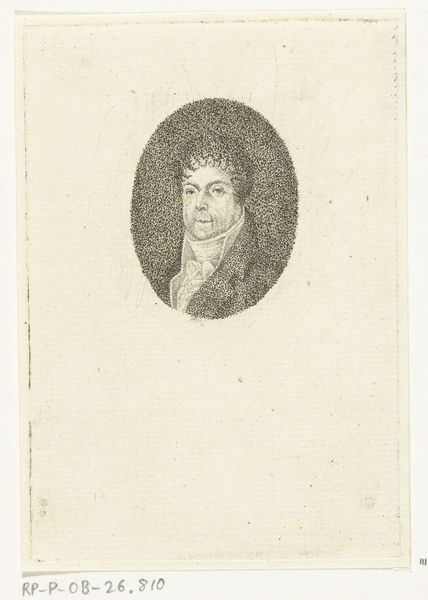
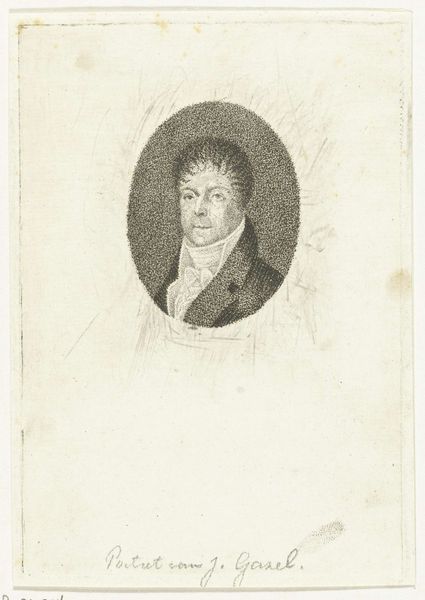
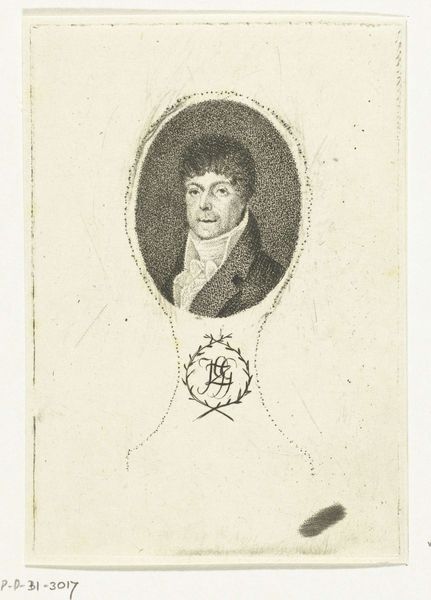
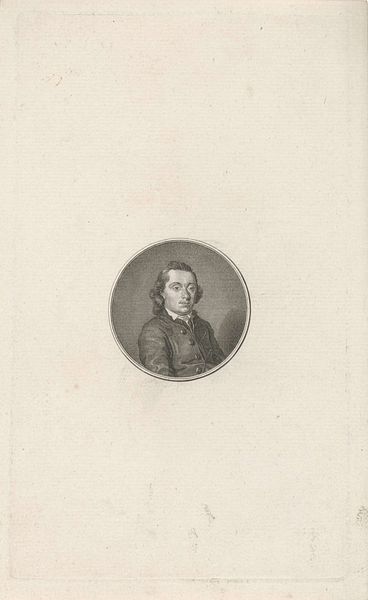
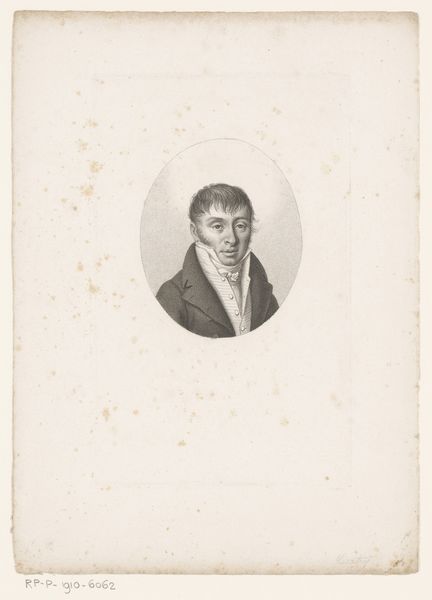
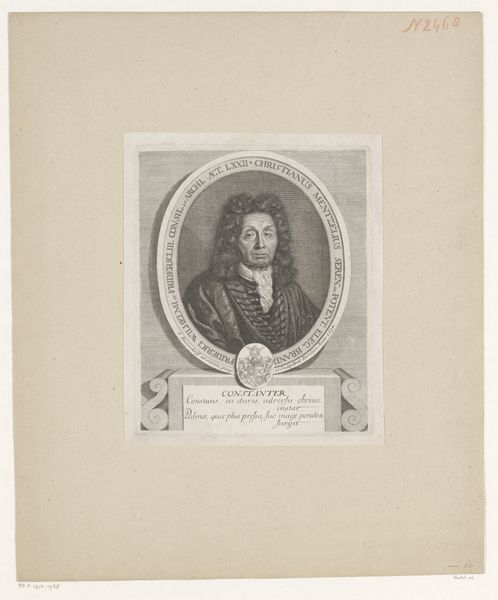
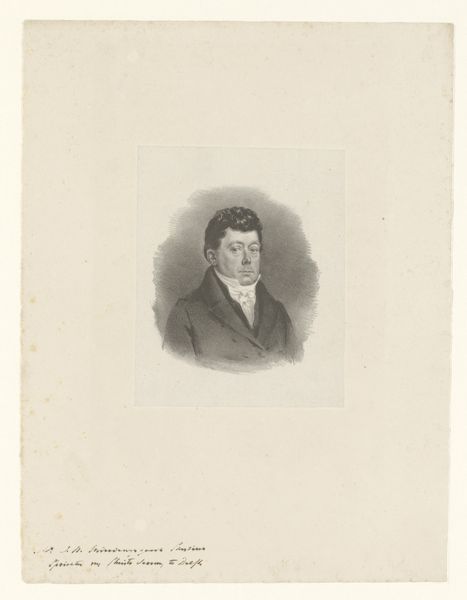
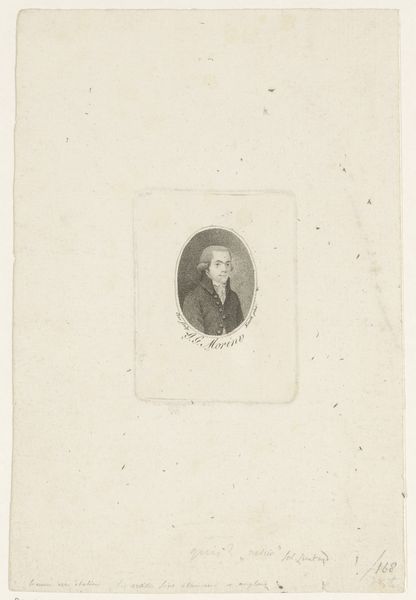
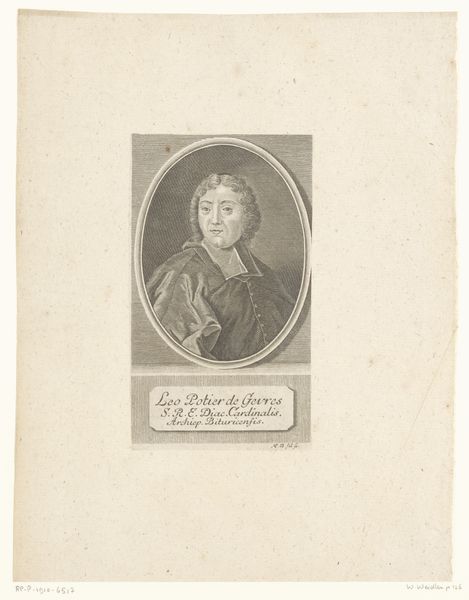
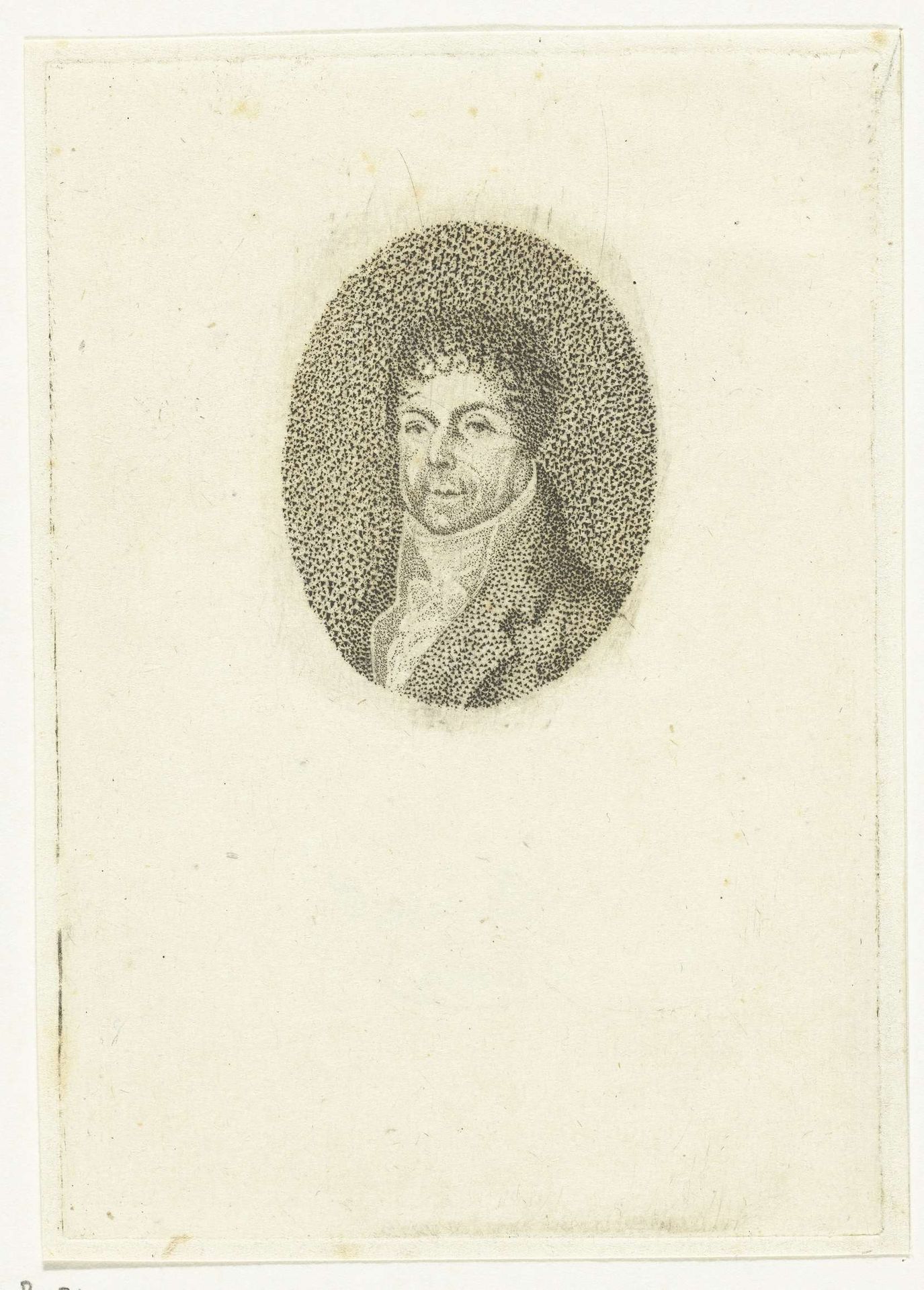
Anthonie van den Bos made this portrait of J. Gazel using etching techniques. It's a miniature world wrought with acid and ink. The artist would have coated a copper plate with a waxy, acid-resistant ground, then used a sharp needle to scratch away the ground, exposing the metal beneath. The plate was then submerged in acid, which bit into the exposed lines, creating grooves. Ink was applied, then wiped away from the surface, remaining only in the etched lines. Finally, the plate was pressed onto paper, transferring the image. This skilled craft yields a print with a unique visual texture, built from tiny hatches and cross-hatching. Consider the labor involved in this meticulous process. Each line, each dot, is a deliberate act, reflecting a time when image-making was a slow, deliberate craft. The print medium democratized image production, making it more accessible than unique paintings, and reflecting a shift in artistic production toward wider consumption and circulation.
Portret van J. Gazel, in ovaal c. 1800 - 1838

Anthonie van den Bos
1763 - 1838Location
RijksmuseumArtwork details
- Medium
- drawing, engraving
- Dimensions
- height 125 mm, width 88 mm
- Location
- Rijksmuseum
- Copyright
- Rijks Museum: Open Domain
Tags
portrait
drawing
neoclacissism
old engraving style
personal sketchbook
engraving
Comments
No comments
About this artwork
Anthonie van den Bos made this portrait of J. Gazel using etching techniques. It's a miniature world wrought with acid and ink. The artist would have coated a copper plate with a waxy, acid-resistant ground, then used a sharp needle to scratch away the ground, exposing the metal beneath. The plate was then submerged in acid, which bit into the exposed lines, creating grooves. Ink was applied, then wiped away from the surface, remaining only in the etched lines. Finally, the plate was pressed onto paper, transferring the image. This skilled craft yields a print with a unique visual texture, built from tiny hatches and cross-hatching. Consider the labor involved in this meticulous process. Each line, each dot, is a deliberate act, reflecting a time when image-making was a slow, deliberate craft. The print medium democratized image production, making it more accessible than unique paintings, and reflecting a shift in artistic production toward wider consumption and circulation.
Comments
No comments