About this artwork
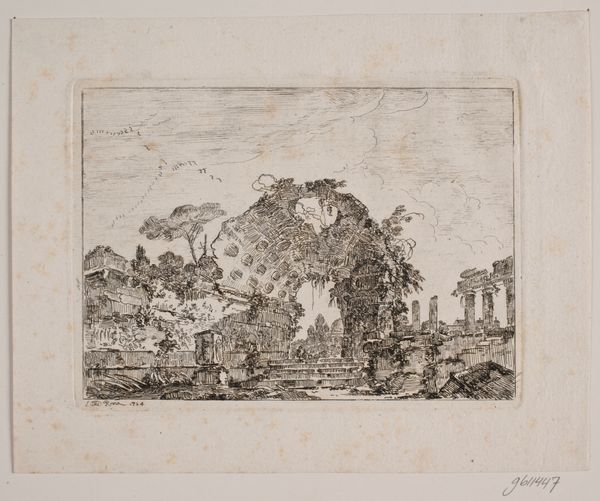
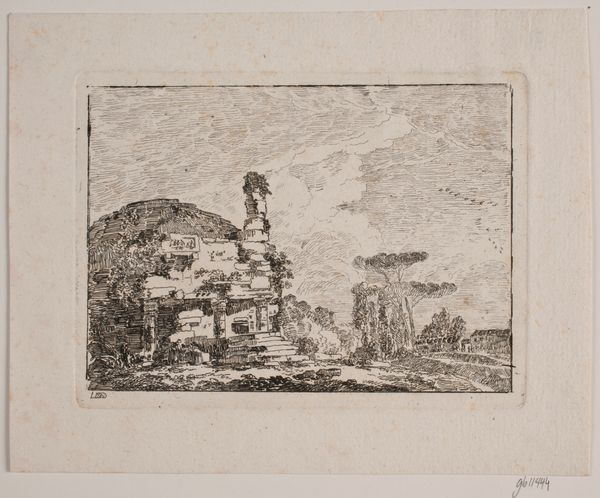
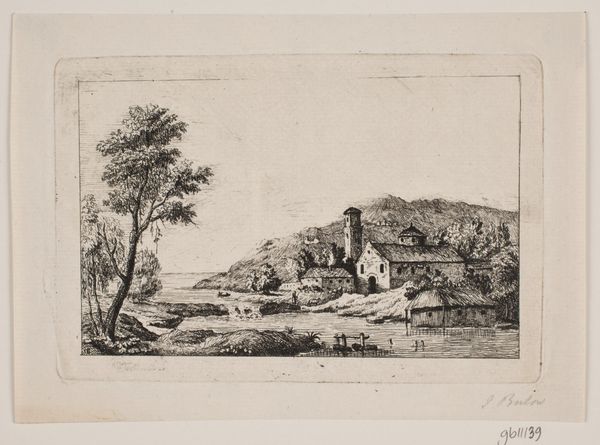
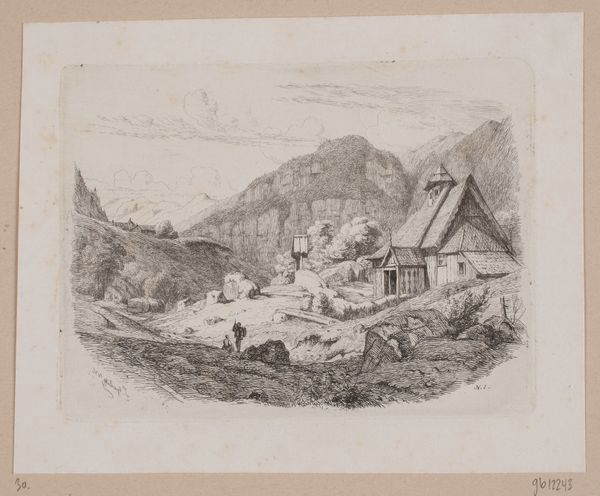
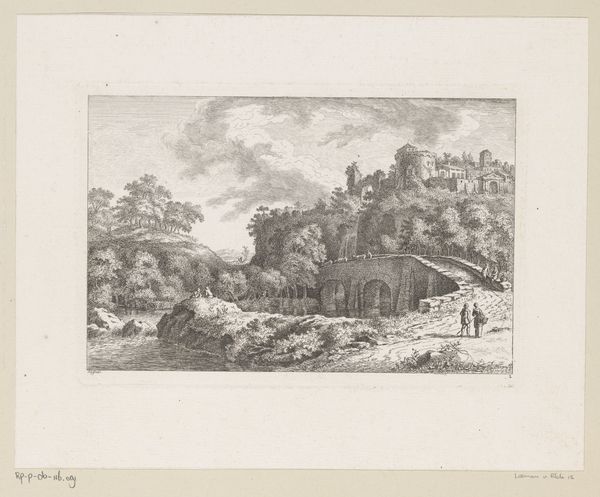
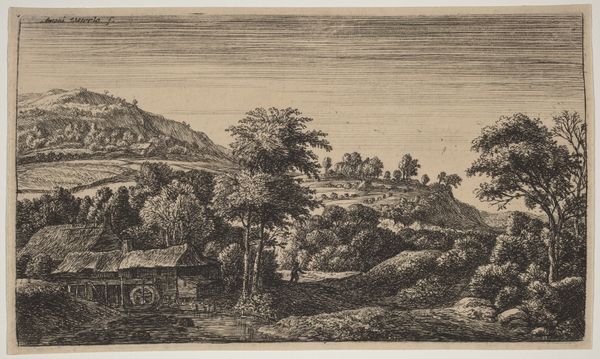
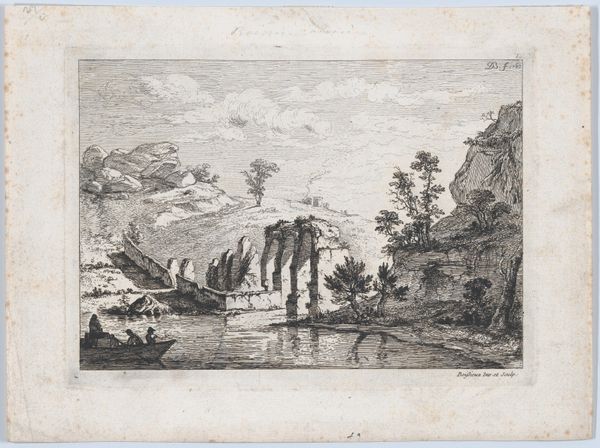
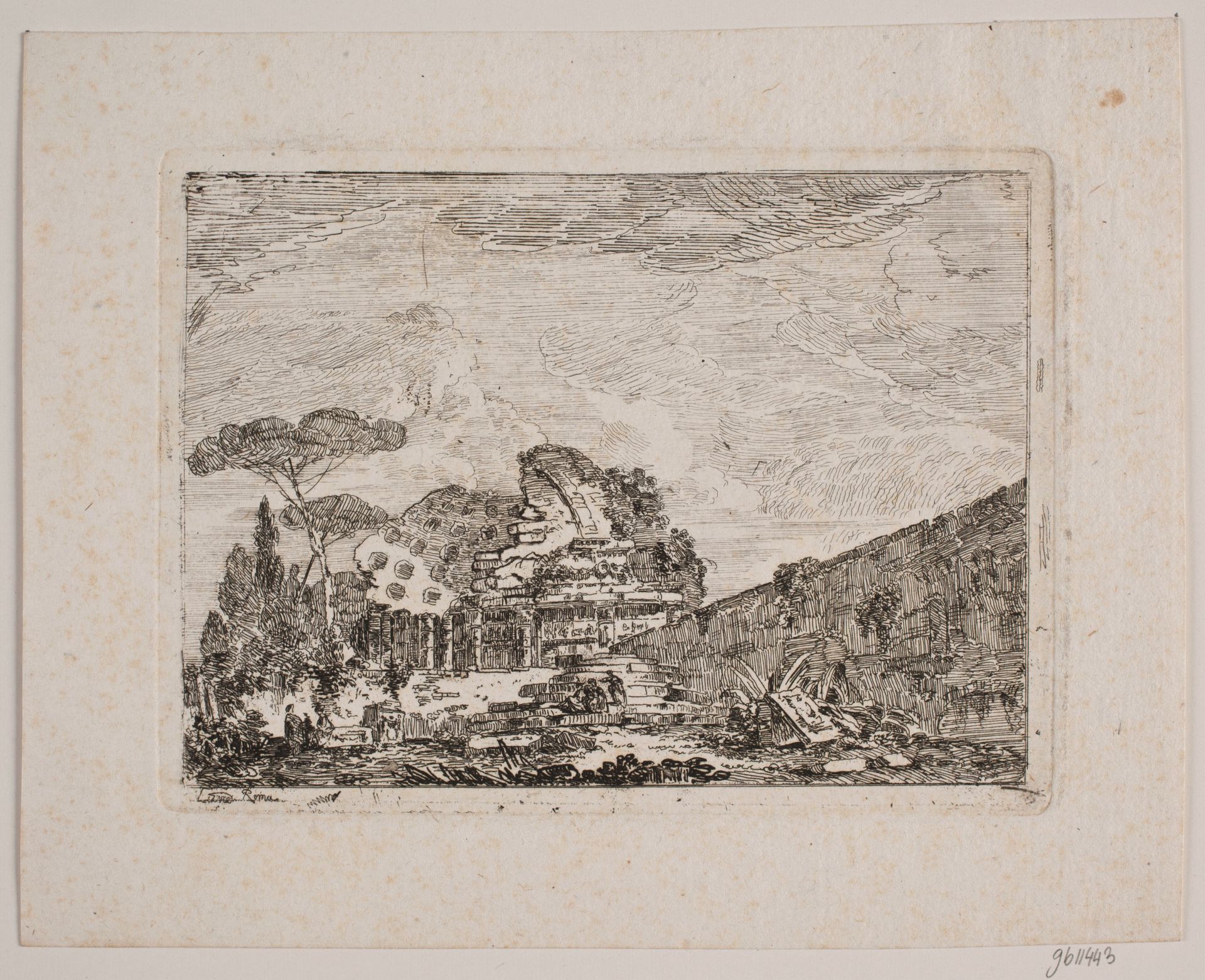
Jens Petersen Lund made this etching of ancient Roman ruins sometime in the late 18th century. The printmaking process is fascinating here. Lund would have used a sharp needle to draw directly into a copper plate, then bathed the plate in acid, which bites into the exposed lines. This is a relatively direct method, allowing for a spontaneous, sketch-like quality. Look closely, and you can see the network of fine lines creating a sense of depth and atmosphere. The etched lines have a delicacy, a fineness that’s quite different from a drawing made with pen and ink. The printmaking process inherently allows for multiples, connecting the artist to a wider audience through the circulation of images. This wasn't a unique artwork, but something available to a growing middle class interested in art and travel. Appreciating this print means understanding the craft and industrial processes that made it possible.
Antikke ruiner af en rotondobygning
1764


Artwork details
- Medium
- drawing, print, etching
- Dimensions
- 103 mm (height) x 139 mm (width) (plademaal)
- Location
- SMK - Statens Museum for Kunst
Tags
Comments
Share your thoughts
About this artwork
Jens Petersen Lund made this etching of ancient Roman ruins sometime in the late 18th century. The printmaking process is fascinating here. Lund would have used a sharp needle to draw directly into a copper plate, then bathed the plate in acid, which bites into the exposed lines. This is a relatively direct method, allowing for a spontaneous, sketch-like quality. Look closely, and you can see the network of fine lines creating a sense of depth and atmosphere. The etched lines have a delicacy, a fineness that’s quite different from a drawing made with pen and ink. The printmaking process inherently allows for multiples, connecting the artist to a wider audience through the circulation of images. This wasn't a unique artwork, but something available to a growing middle class interested in art and travel. Appreciating this print means understanding the craft and industrial processes that made it possible.
Comments
Share your thoughts