1878 - 1880
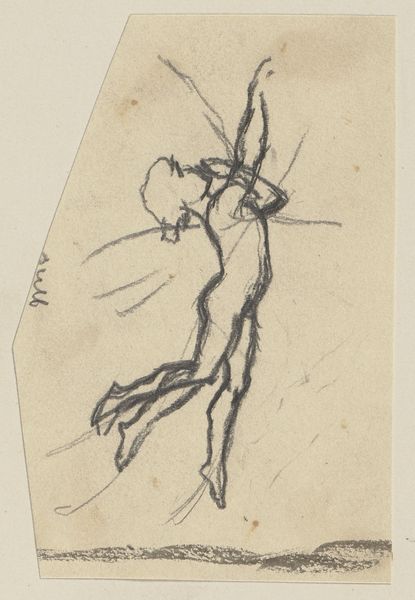
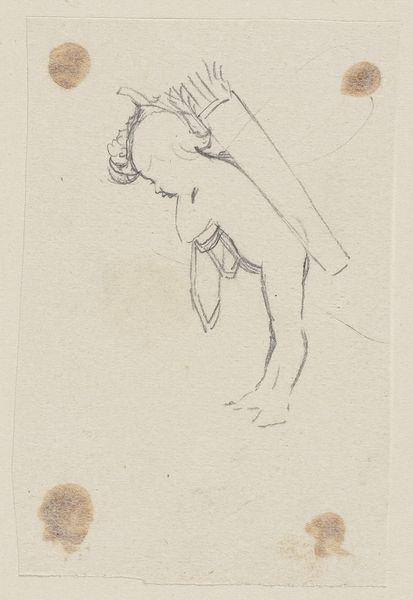
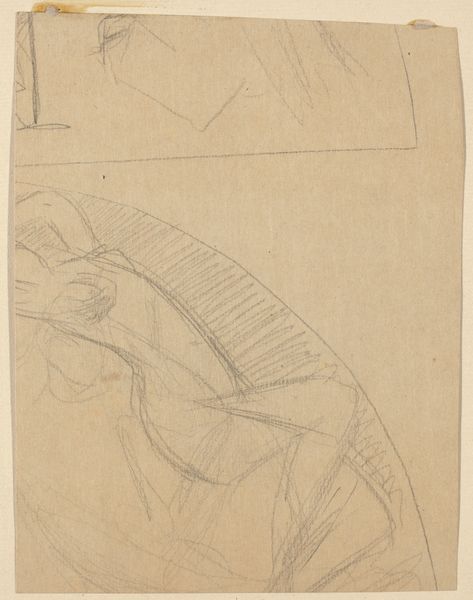
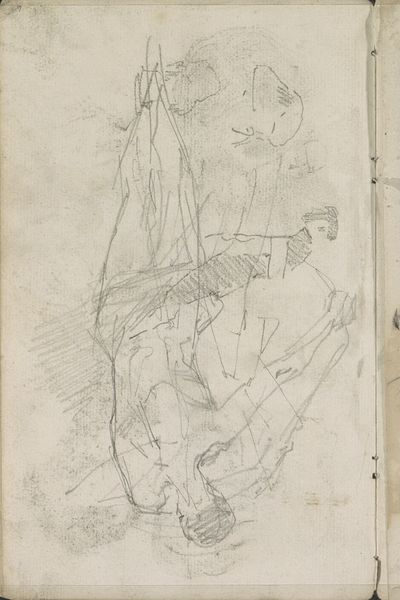
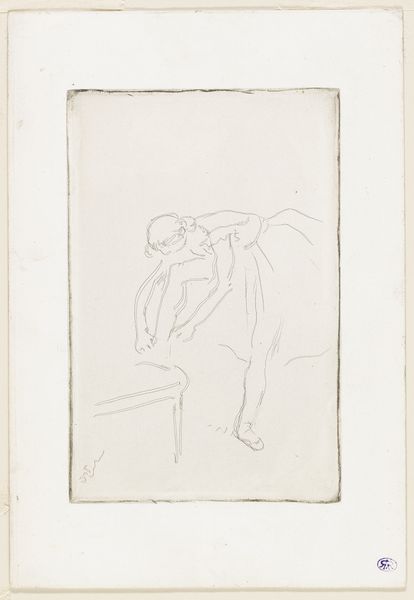
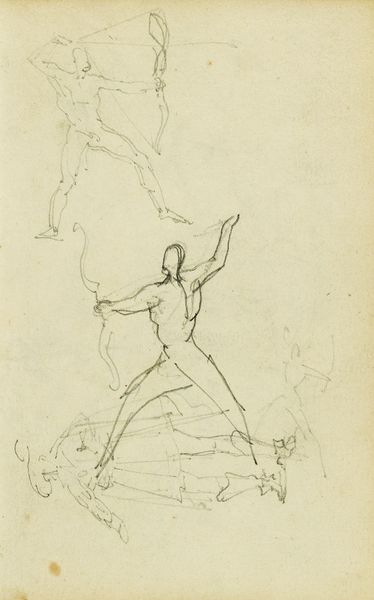
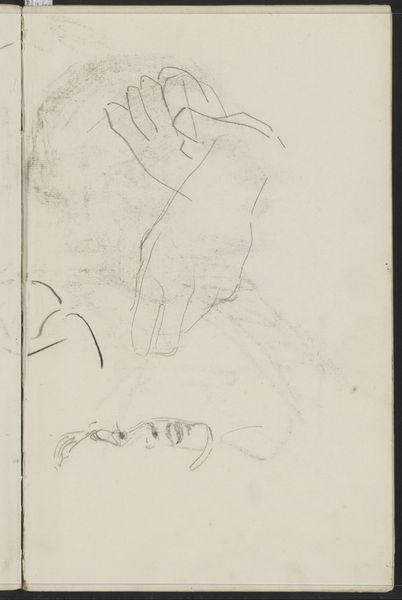
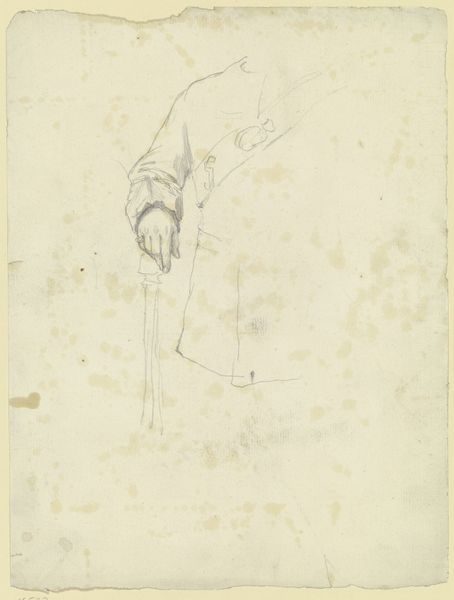
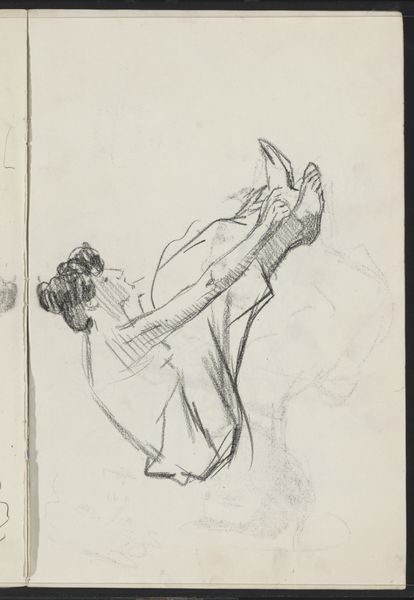
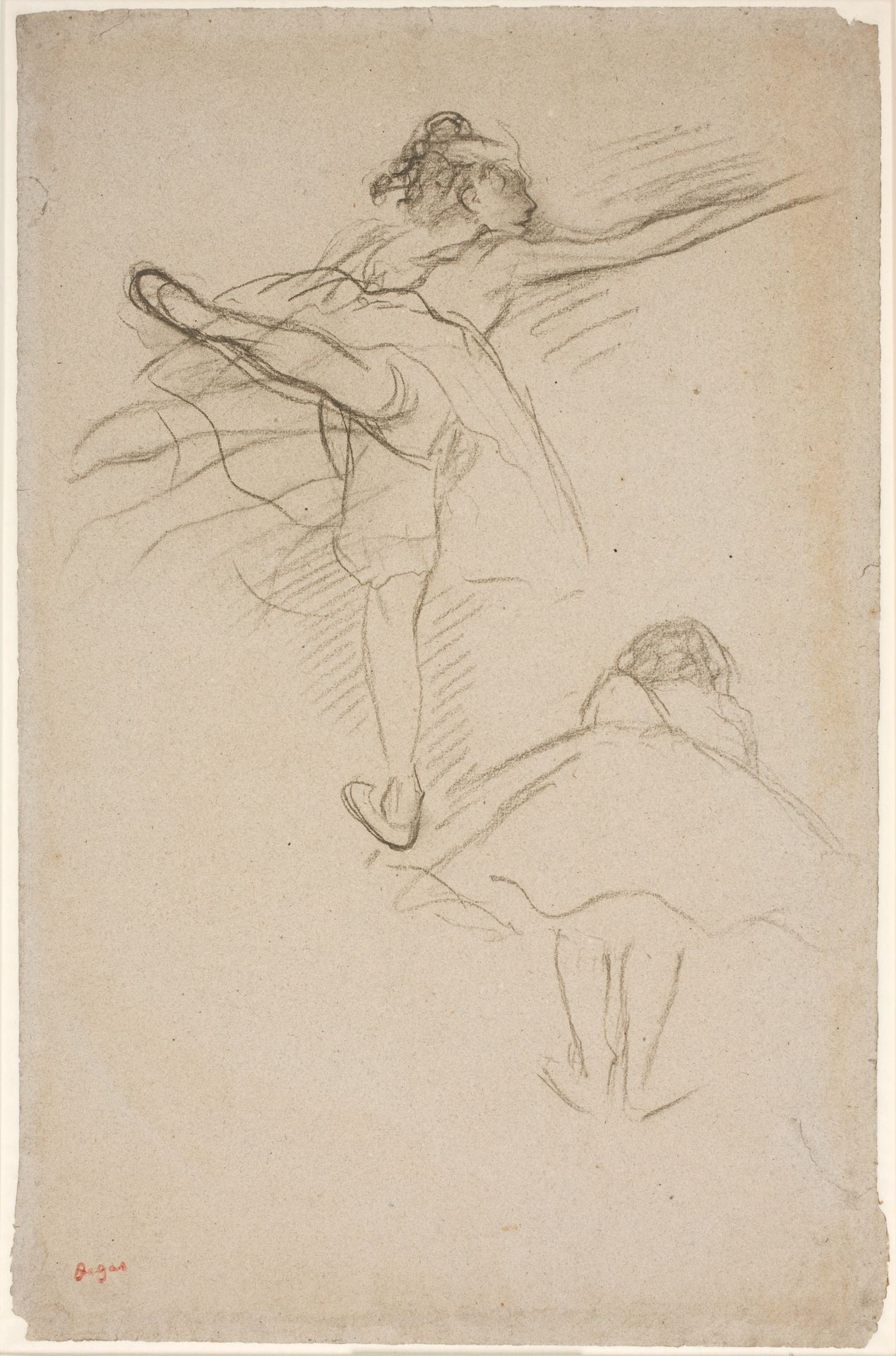
To studier af danserinder. Øverst danserinde stående på venstre ben; nederst foroverbøjet danserinde set fra ryggen


Listen to curator's interpretation
Curatorial notes
Here, Edgar Degas captures two studies of dancers, their forms rendered with quick, searching lines on paper. The ballerina at the top, balanced precariously on one leg, extends her arms, embodying a sense of flight. The motif of dance, we know, carries a deep cultural resonance. Consider the ancient Greek Maenads, frenzied worshippers of Dionysus, their ecstatic movements echoing through time. Or the whirling dervishes, whose spinning is a form of prayer, a path to enlightenment. Dance serves as a potent symbol of freedom, ecstasy, and ritual, connecting the earthly with the divine. But look at the dancer in the lower part of the drawing; she is bent over, perhaps exhausted. This posture, too, has echoes. Think of the weeping women in countless Deposition scenes, their bodies contorted in grief. The dance, then, becomes a vehicle for expressing not just joy, but the full spectrum of human emotion. The image engages us on a subconscious level, calling forth a collective memory of these archetypal gestures. This dance, like so many symbols, is not static. It resurfaces, evolves, and takes on new meanings, its energy coursing through history.