About this artwork
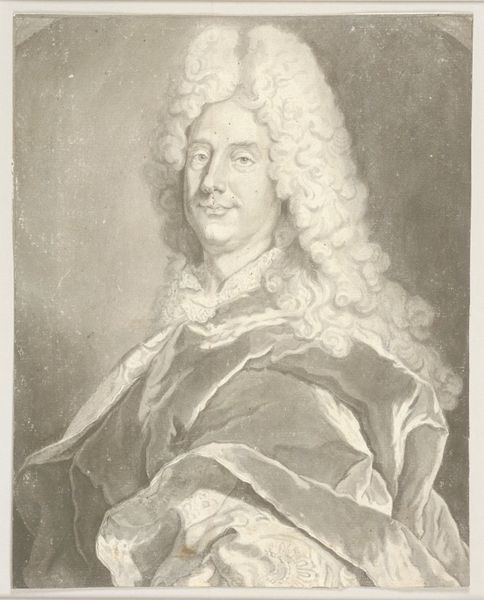
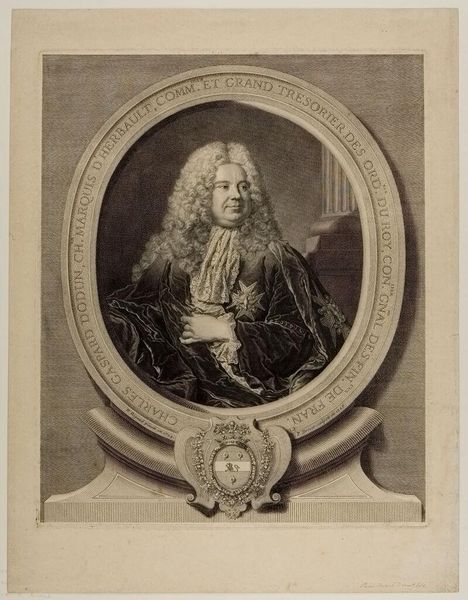
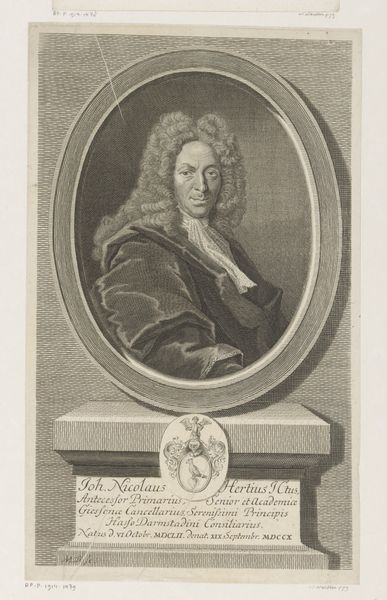
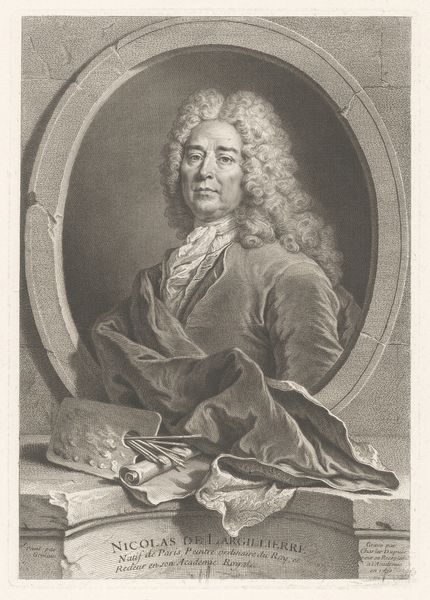
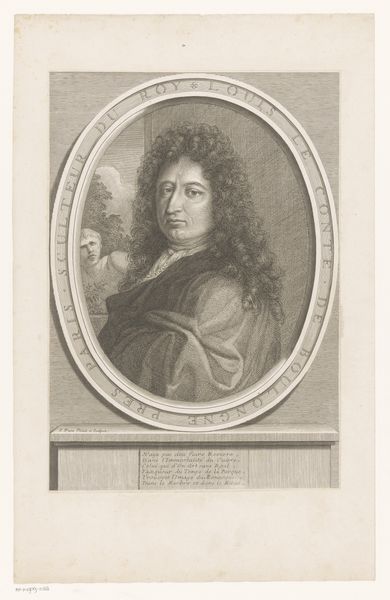
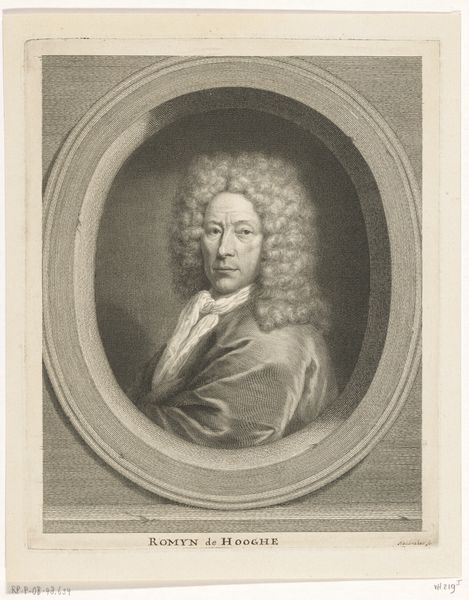
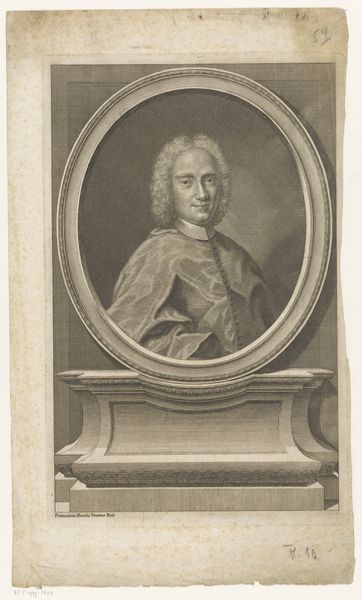
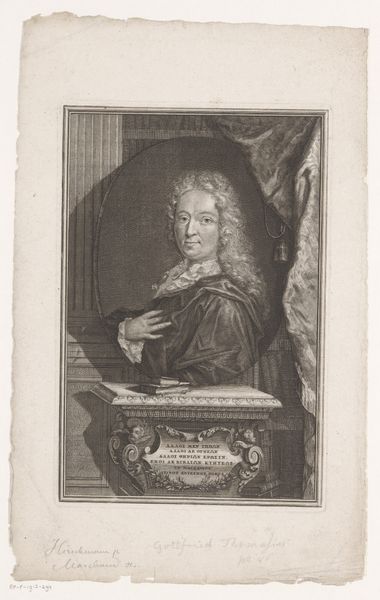
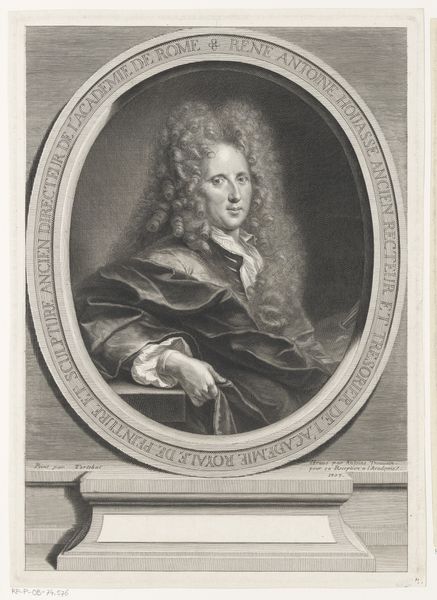
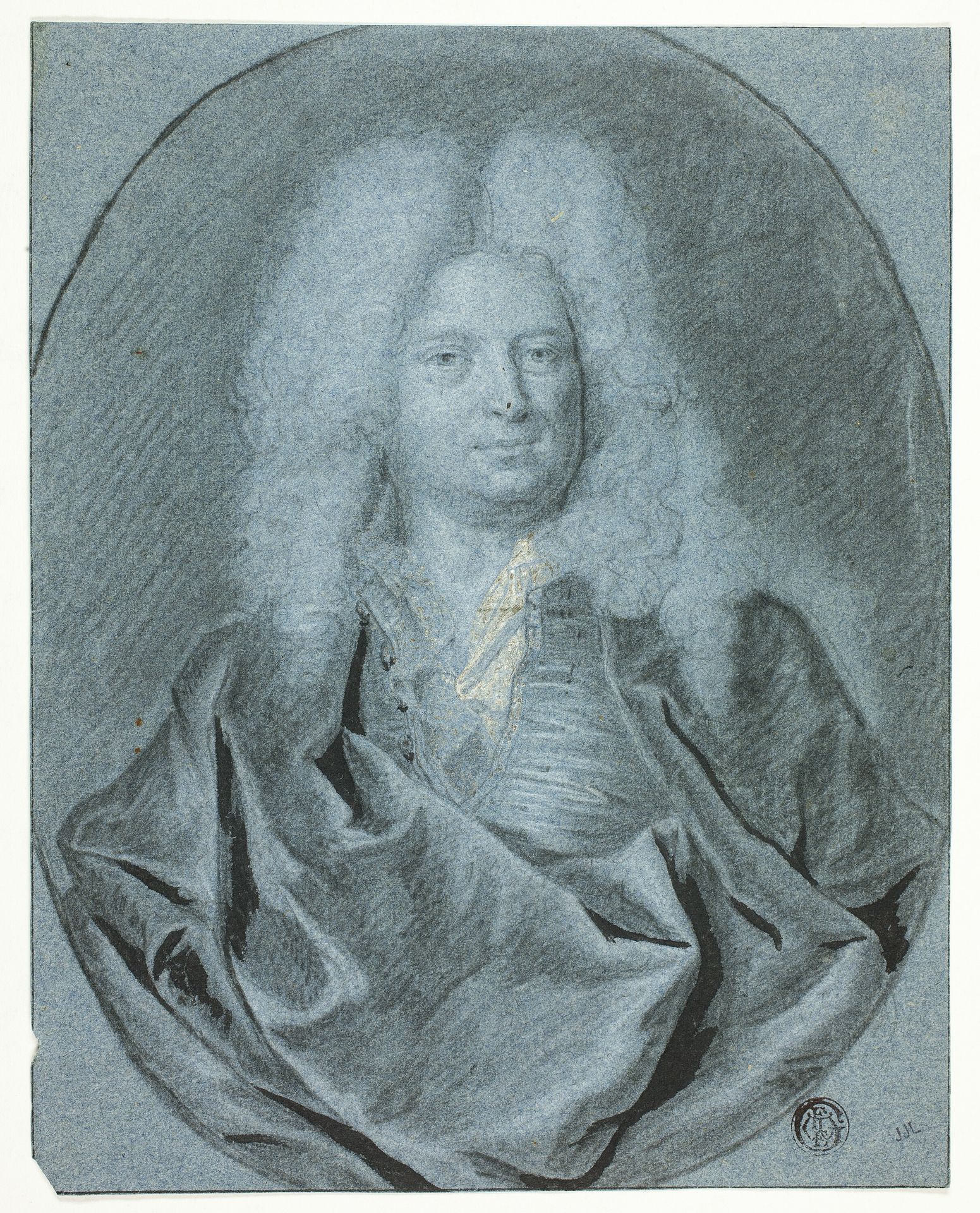
Cornelis van Poelenburgh created this portrait of a man in black and white chalk on blue paper. This drawing invites us to consider the cultural and social performance of identity in the 17th and 18th centuries. During this period, powdered wigs, like the elaborate one seen here, were a marker of status and belonging among the European elite. The wig, the drapery and the suggestion of armor underneath, all speak to the sitter’s position in society – likely someone of nobility or high rank. Yet the work transcends mere representation. Poelenburgh’s delicate rendering captures a sense of individual presence, a unique human being beneath the constructed symbols of power. Portraits like this served not just as records of appearance, but as statements of self, carefully constructed for public consumption. How might we see this portrait as a negotiation between personal identity and societal expectations?
Portrait Bust of a Man in a White Wig
n.d.

Cornelis van Poelenburgh
@cornelisvanpoelenburgh
The Art Institute of Chicago
The Art Institute of ChicagoArtwork details
- Medium
- drawing, paper, ink, chalk, charcoal
- Dimensions
- 203 × 160 mm
- Location
- The Art Institute of Chicago
- Copyright
- Public Domain
Tags
Comments
Share your thoughts
About this artwork
Cornelis van Poelenburgh created this portrait of a man in black and white chalk on blue paper. This drawing invites us to consider the cultural and social performance of identity in the 17th and 18th centuries. During this period, powdered wigs, like the elaborate one seen here, were a marker of status and belonging among the European elite. The wig, the drapery and the suggestion of armor underneath, all speak to the sitter’s position in society – likely someone of nobility or high rank. Yet the work transcends mere representation. Poelenburgh’s delicate rendering captures a sense of individual presence, a unique human being beneath the constructed symbols of power. Portraits like this served not just as records of appearance, but as statements of self, carefully constructed for public consumption. How might we see this portrait as a negotiation between personal identity and societal expectations?
Comments
Share your thoughts