About this artwork
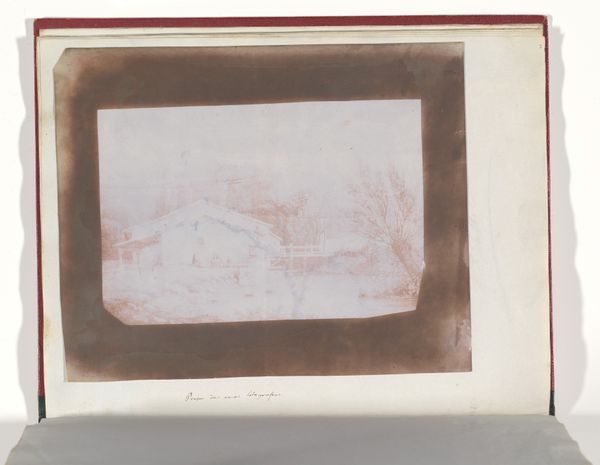
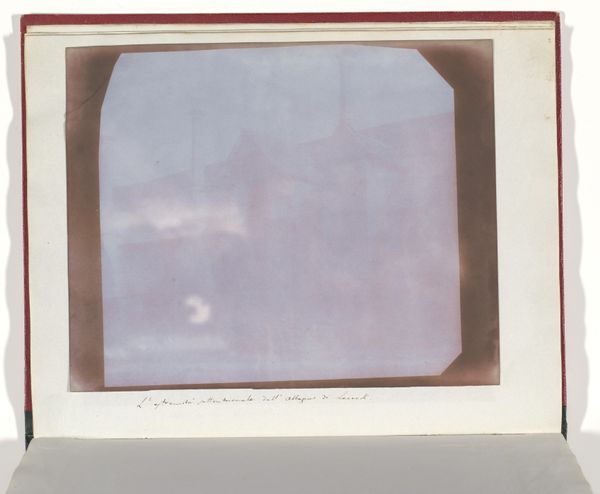
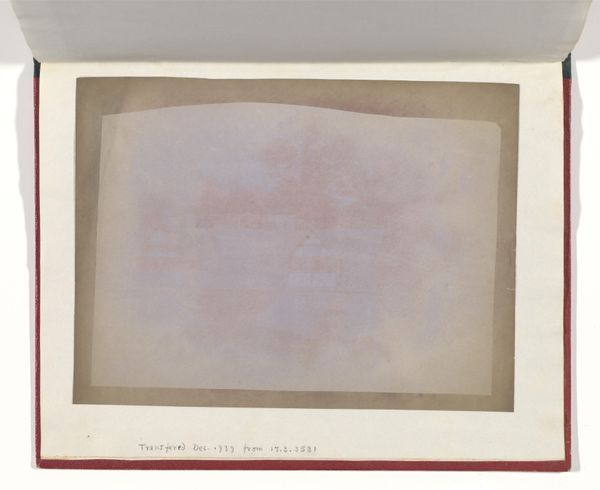
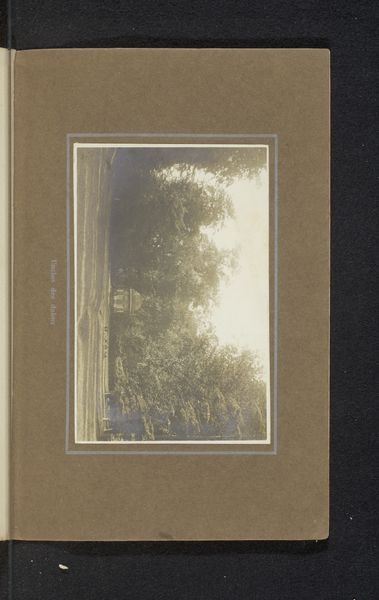
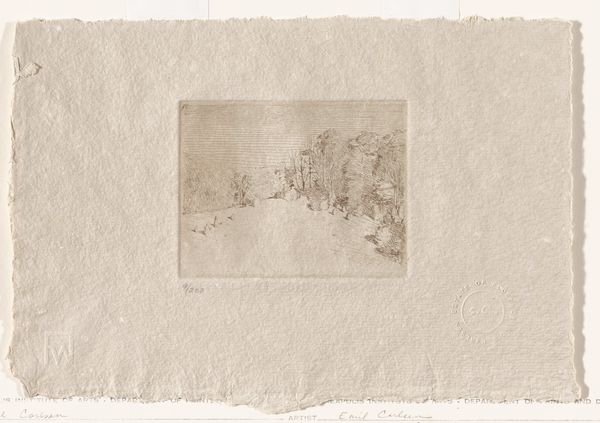
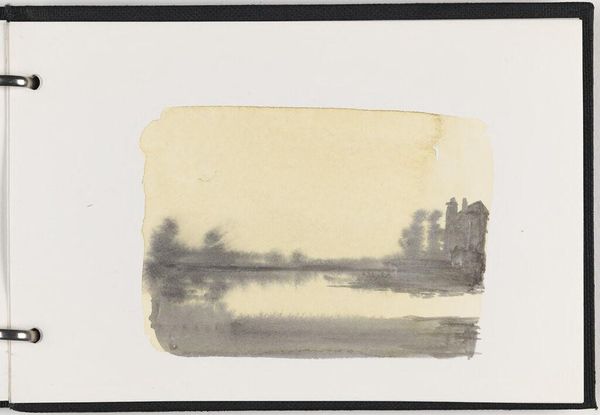
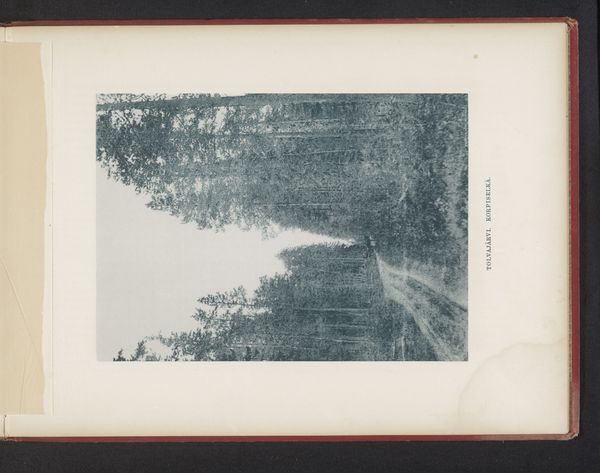
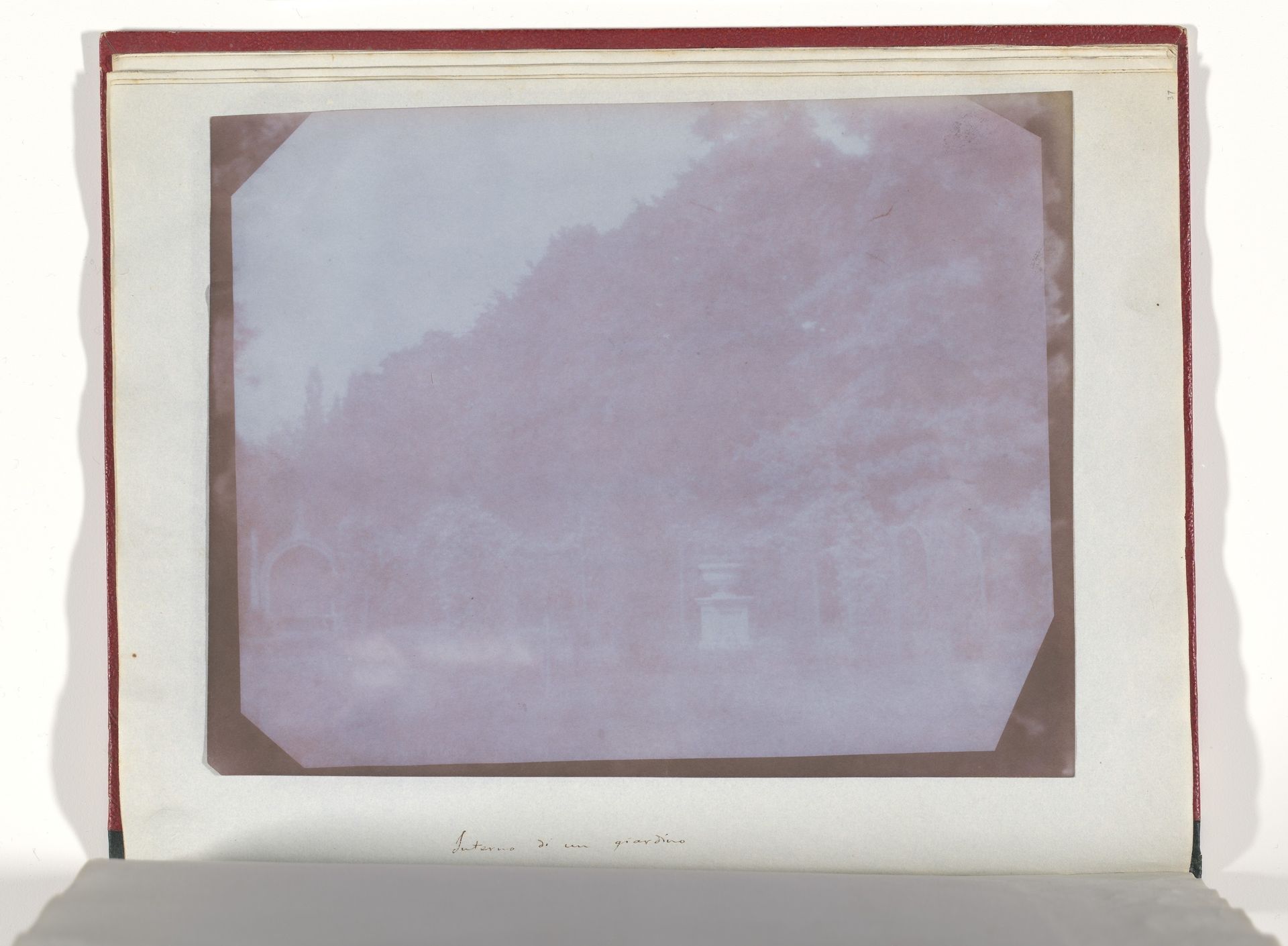
William Henry Fox Talbot made this photograph, "Mio Giardino," using his pioneering calotype process. Instead of traditional art materials, he harnessed chemistry and optics, coating paper with silver iodide, exposing it in a camera, and then developing the latent image. The resulting print has a soft, almost ethereal quality. The fibers of the paper are visible, adding texture to the scene. The image is not perfectly sharp, but that’s not the point. The beauty of Talbot's method lies in its directness, and in the way it captures a moment in time through a chemical reaction. Talbot’s invention democratized image-making. Photography, as distinct from painting and drawing, invited broader participation. It mechanized art, turning nature into an automated picture-making process, and transforming creative practices and aesthetics forever. This work is a reminder of how technical innovation can shift our understanding of art itself.
Mio Giardino
1840

William Henry Fox Talbot
1800 - 1877
The Metropolitan Museum of Art
Metropolitan Museum of Art, New York, NYArtwork details
- Medium
- daguerreotype, photography
- Dimensions
- Image: 17.1 x 21.3 cm (6 3/4 x 8 3/8 in.) Sheet: 17.7 x 22.6 cm (6 15/16 x 8 7/8 in.)
- Location
- Metropolitan Museum of Art, New York, NY
- Copyright
- Public Domain
Tags
Comments
Share your thoughts
About this artwork
William Henry Fox Talbot made this photograph, "Mio Giardino," using his pioneering calotype process. Instead of traditional art materials, he harnessed chemistry and optics, coating paper with silver iodide, exposing it in a camera, and then developing the latent image. The resulting print has a soft, almost ethereal quality. The fibers of the paper are visible, adding texture to the scene. The image is not perfectly sharp, but that’s not the point. The beauty of Talbot's method lies in its directness, and in the way it captures a moment in time through a chemical reaction. Talbot’s invention democratized image-making. Photography, as distinct from painting and drawing, invited broader participation. It mechanized art, turning nature into an automated picture-making process, and transforming creative practices and aesthetics forever. This work is a reminder of how technical innovation can shift our understanding of art itself.
Comments
Share your thoughts