About this artwork
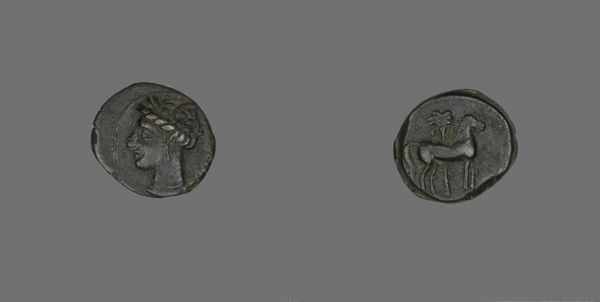
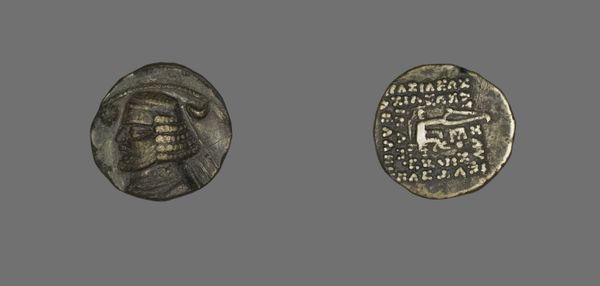
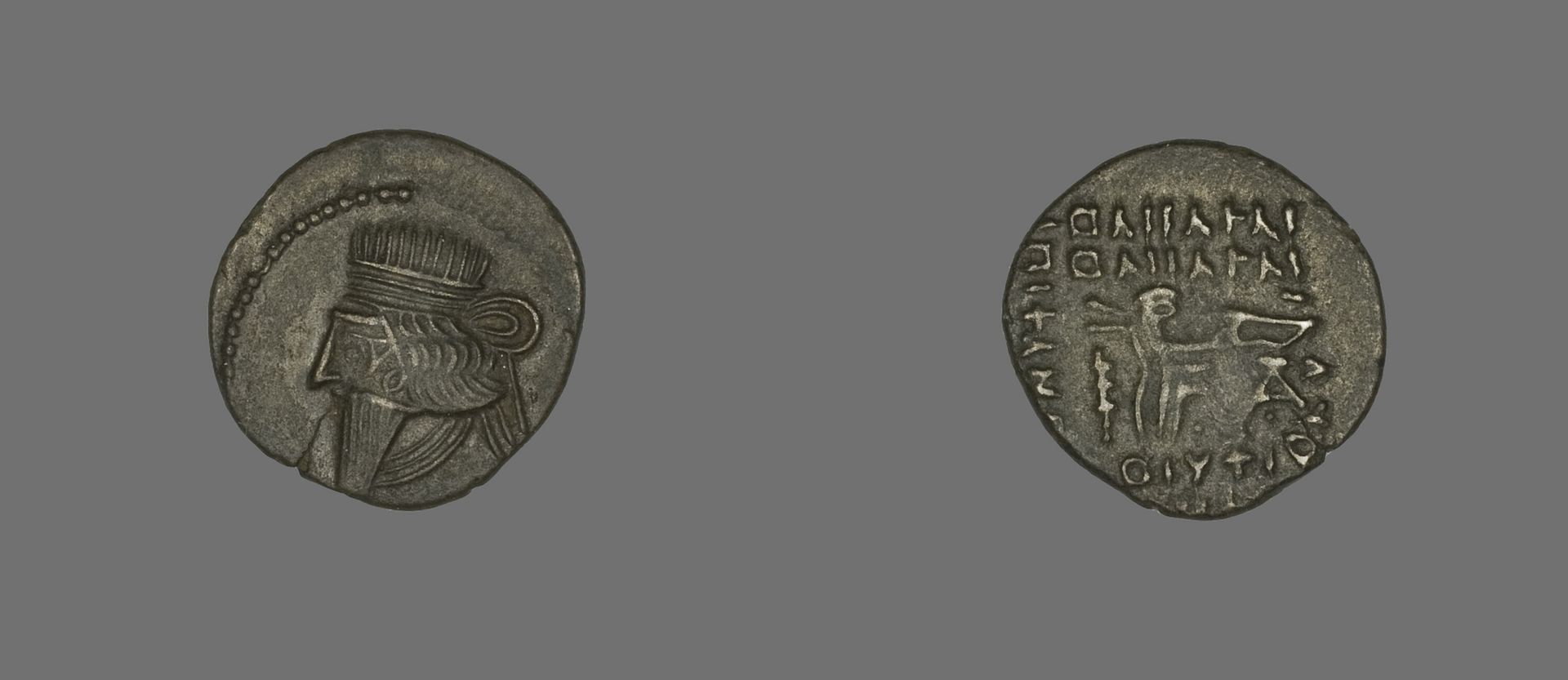
This Drachm, located at the Art Institute of Chicago, is a small coin portraying King Mithradates the Fourth. The coin gives us a glimpse into the visual culture and political messaging of its time. Consider the power dynamics at play in the creation and circulation of such an image. As a ruler, Mithradates’ likeness served as a symbol of authority, a way to broadcast his power and legitimacy across his kingdom. How might people from different social classes or ethnic backgrounds have responded to seeing their leader's face on something as commonplace as currency? What did it mean to hold the king in your hand, so to speak? These drachms were more than just currency; they were tools of identity construction, connecting people to a broader political entity and a shared sense of belonging, or perhaps, resistance. What stories might this coin tell about the complexities of power, representation, and identity in the ancient world?
Drachm (Coin) Portraying King Mithradates IV
130 - 147


Artwork details
- Medium
- silver, metal
- Dimensions
- Diam. 2 cm; 3.61 g
- Location
- The Art Institute of Chicago
- Copyright
- Public Domain
Tags
Comments
Share your thoughts
About this artwork
This Drachm, located at the Art Institute of Chicago, is a small coin portraying King Mithradates the Fourth. The coin gives us a glimpse into the visual culture and political messaging of its time. Consider the power dynamics at play in the creation and circulation of such an image. As a ruler, Mithradates’ likeness served as a symbol of authority, a way to broadcast his power and legitimacy across his kingdom. How might people from different social classes or ethnic backgrounds have responded to seeing their leader's face on something as commonplace as currency? What did it mean to hold the king in your hand, so to speak? These drachms were more than just currency; they were tools of identity construction, connecting people to a broader political entity and a shared sense of belonging, or perhaps, resistance. What stories might this coin tell about the complexities of power, representation, and identity in the ancient world?
Comments
Share your thoughts