About this artwork
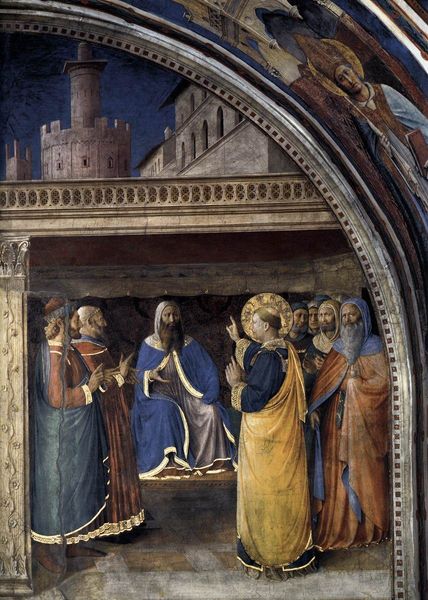
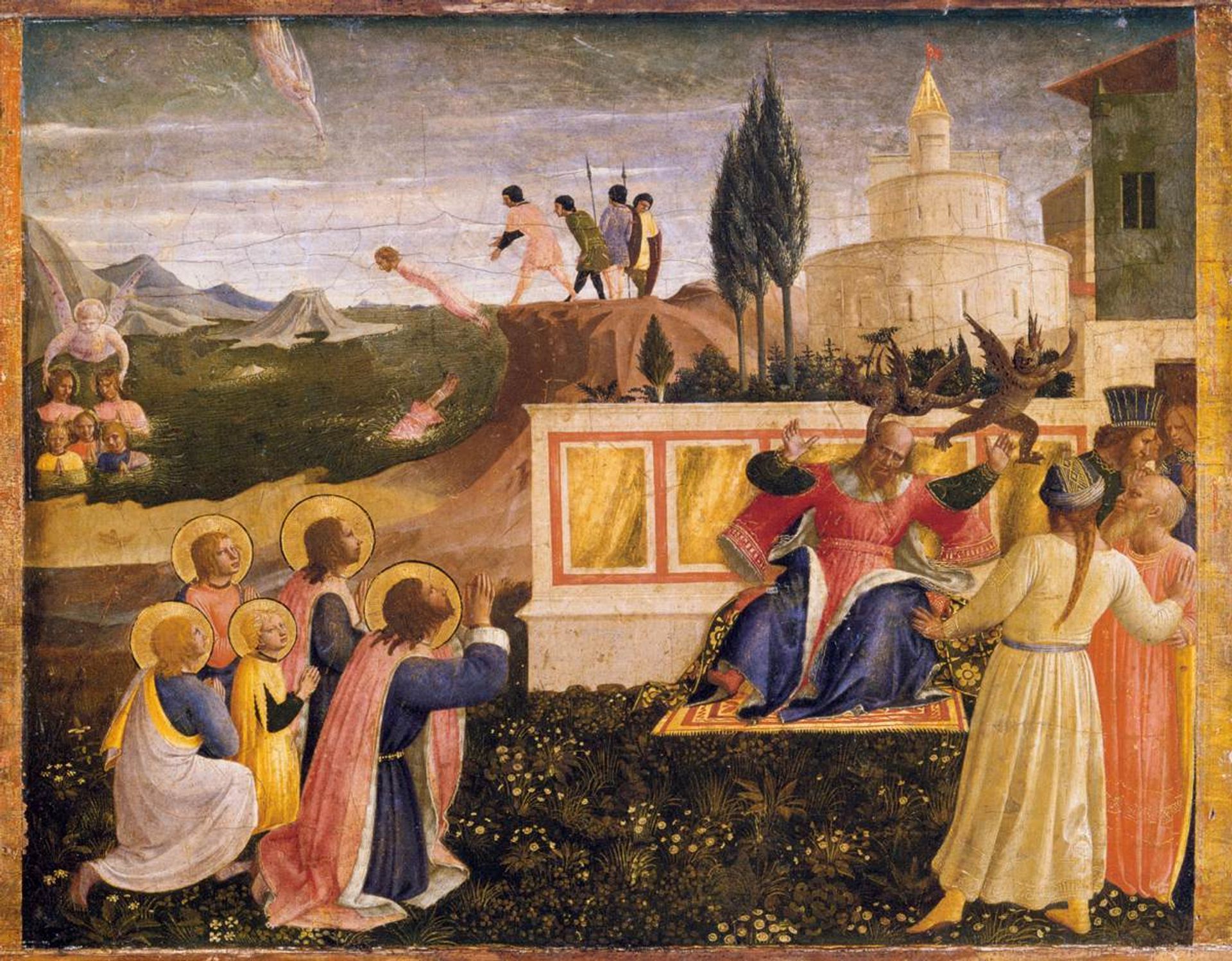
Fra Angelico painted "Saint Cosmas and Saint Damian Salvaged" in the early fifteenth century using tempera on wood. The painting depicts a scene from the lives of the two saints, who were physicians. Looking at the image, one notices the miraculous rescue of Cosmas and Damian from various attempts to execute them, including stoning, burning, and drowning. Painted in Florence, Italy, the work reflects the religious values and social concerns of the time. The prominence of religious figures and the emphasis on miracles reflect the Church's influence. Works like this one were often commissioned by religious institutions or wealthy patrons as acts of devotion and public displays of faith. The painting embodies a conservative approach to art, reinforcing traditional religious narratives. To gain a deeper understanding, scholars often consult historical documents, religious texts, and studies of art patronage to better understand the social and institutional contexts in which the artwork was made and viewed.
Saint Cosmas and Saint Damian Salvaged
1440

Fra Angelico
1395 - 1455
Alte Pinakothek, Bayerische Staatsgemäldesammlungen
Alte Pinakothek, Munich, GermanyArtwork details
- Medium
- tempera, painting, textile, fresco
- Dimensions
- 38 x 45 cm
- Location
- Alte Pinakothek, Munich, Germany
- Copyright
- Public domain
Tags
Comments
Share your thoughts
About this artwork
Fra Angelico painted "Saint Cosmas and Saint Damian Salvaged" in the early fifteenth century using tempera on wood. The painting depicts a scene from the lives of the two saints, who were physicians. Looking at the image, one notices the miraculous rescue of Cosmas and Damian from various attempts to execute them, including stoning, burning, and drowning. Painted in Florence, Italy, the work reflects the religious values and social concerns of the time. The prominence of religious figures and the emphasis on miracles reflect the Church's influence. Works like this one were often commissioned by religious institutions or wealthy patrons as acts of devotion and public displays of faith. The painting embodies a conservative approach to art, reinforcing traditional religious narratives. To gain a deeper understanding, scholars often consult historical documents, religious texts, and studies of art patronage to better understand the social and institutional contexts in which the artwork was made and viewed.
Comments
Share your thoughts