About this artwork
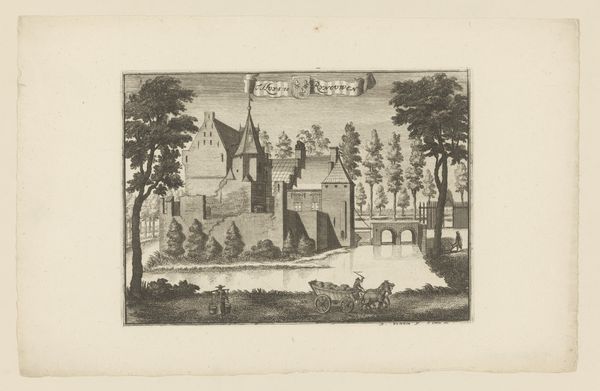
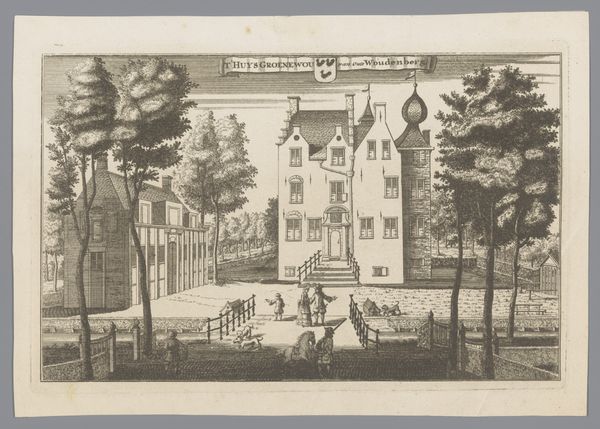
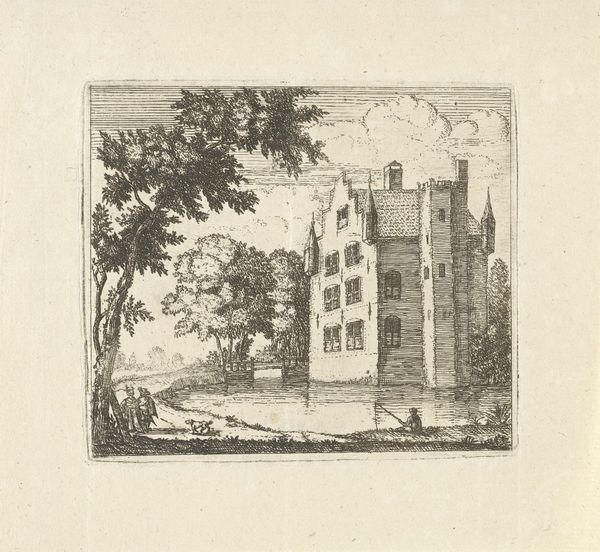
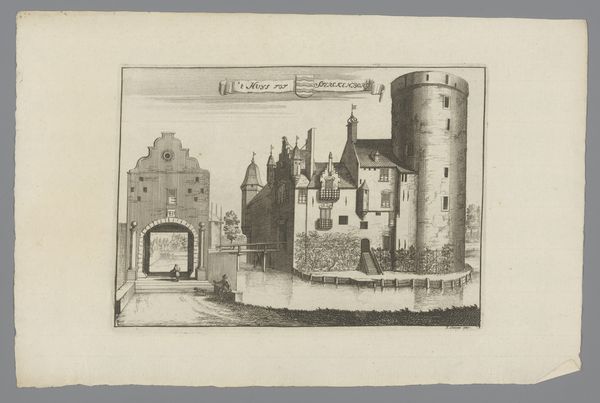
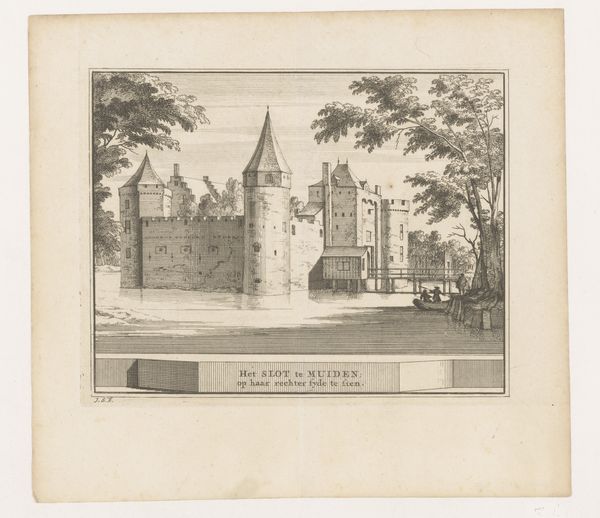
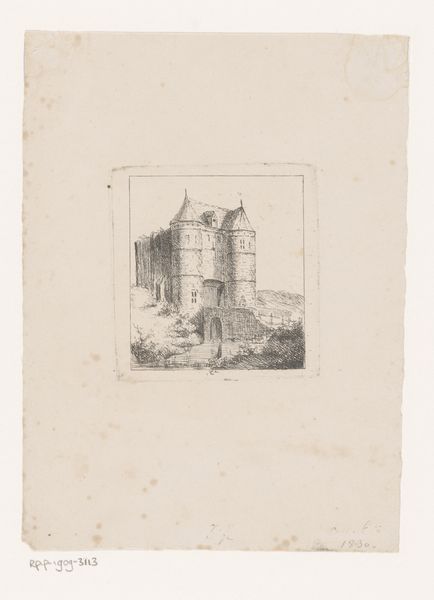
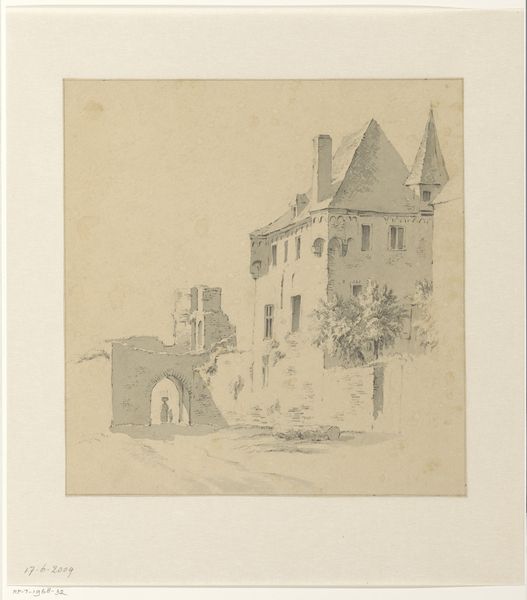
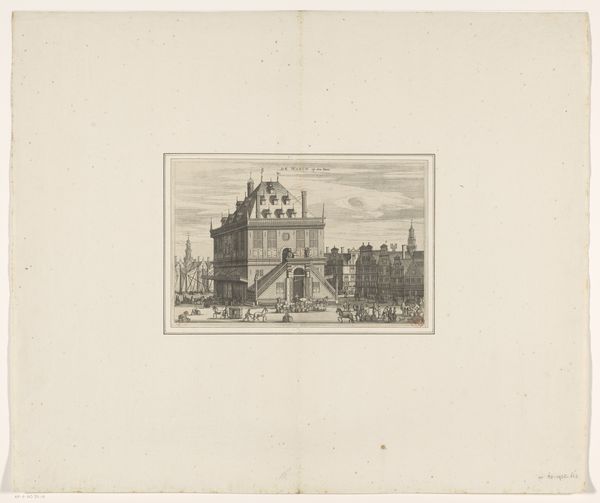
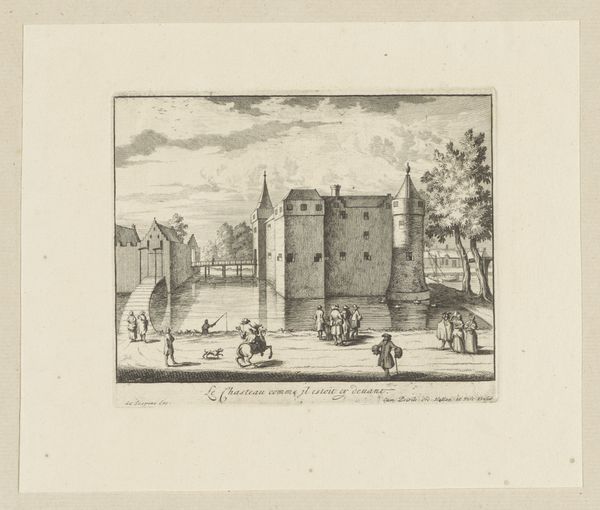
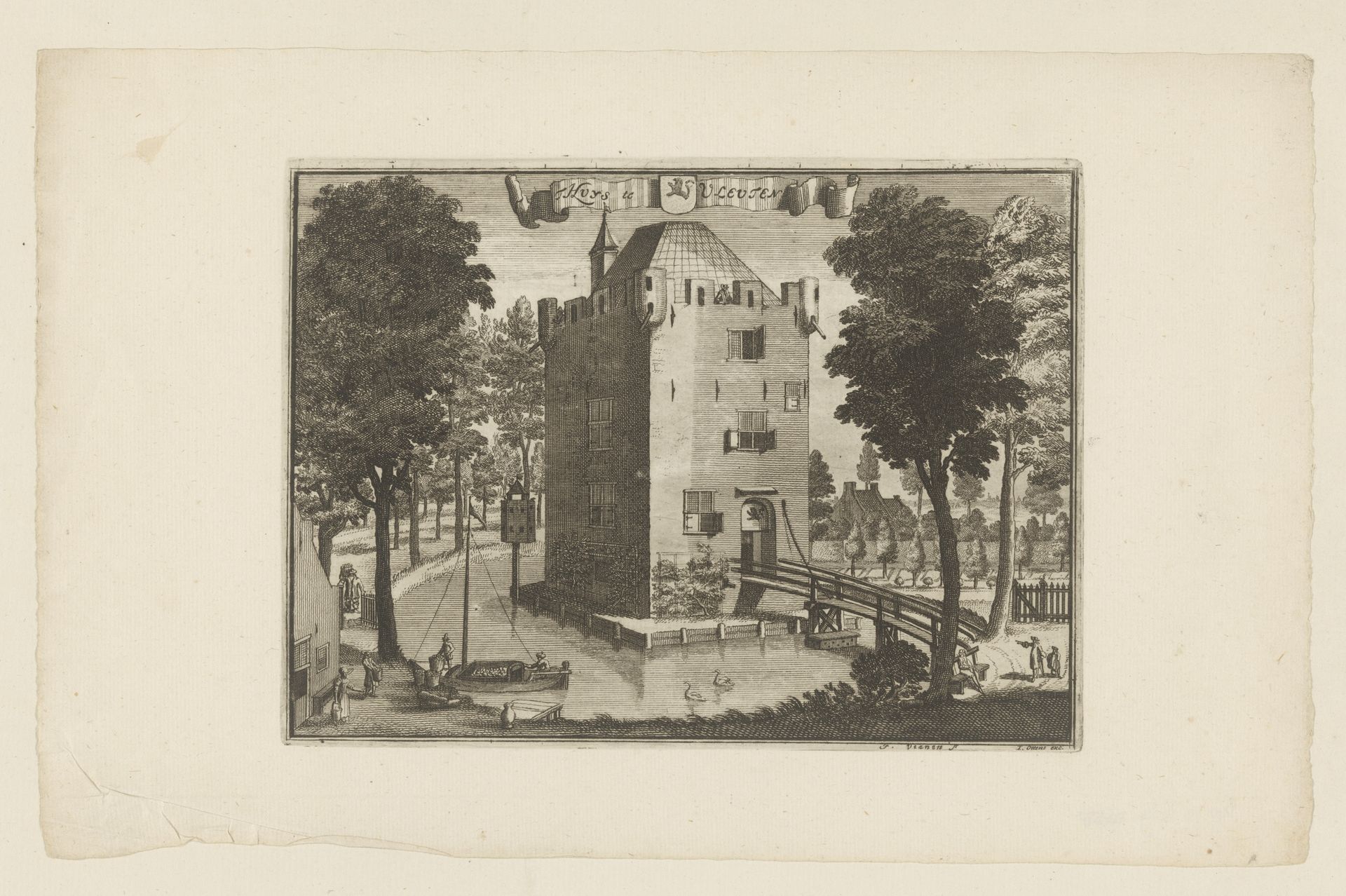
Jan van Vianen created this print of ‘Gezicht op het Huis te Vleuten’ in the late 17th or early 18th century, a time when the Dutch Republic was a major economic and cultural power. Van Vianen’s detailed engraving depicts the Huis te Vleuten, a fortified house surrounded by a moat, accessed by a small bridge. The print offers a glimpse into the life of the Dutch elite, who built these country estates as symbols of their wealth and status. It invites contemplation on the themes of power, privilege, and the relationship between humans and their environment. Notice the seemingly idyllic scene, with figures in a boat and people strolling along the water's edge. Yet, this tranquility belies the social hierarchies of the time, with the privileged few enjoying the comforts of their estate, supported by the labor of many others. The artwork serves as both a historical document and a commentary on the enduring themes of social inequality and the human desire for control over the natural world.

Artwork details
- Medium
- print, engraving
- Dimensions
- height 153 mm, width 206 mm
- Location
- Rijksmuseum
- Copyright
- Rijks Museum: Open Domain
Tags
baroque
dutch-golden-age
landscape
cityscape
engraving
Comments
Be the first to share your thoughts about this work.
About this artwork
Jan van Vianen created this print of ‘Gezicht op het Huis te Vleuten’ in the late 17th or early 18th century, a time when the Dutch Republic was a major economic and cultural power. Van Vianen’s detailed engraving depicts the Huis te Vleuten, a fortified house surrounded by a moat, accessed by a small bridge. The print offers a glimpse into the life of the Dutch elite, who built these country estates as symbols of their wealth and status. It invites contemplation on the themes of power, privilege, and the relationship between humans and their environment. Notice the seemingly idyllic scene, with figures in a boat and people strolling along the water's edge. Yet, this tranquility belies the social hierarchies of the time, with the privileged few enjoying the comforts of their estate, supported by the labor of many others. The artwork serves as both a historical document and a commentary on the enduring themes of social inequality and the human desire for control over the natural world.
Comments
Be the first to share your thoughts about this work.