About this artwork
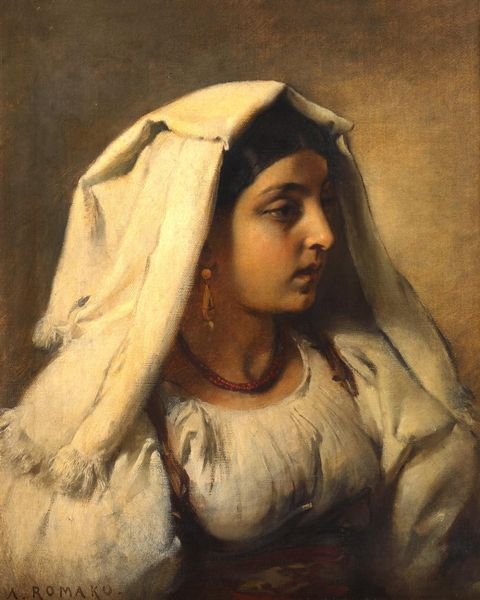
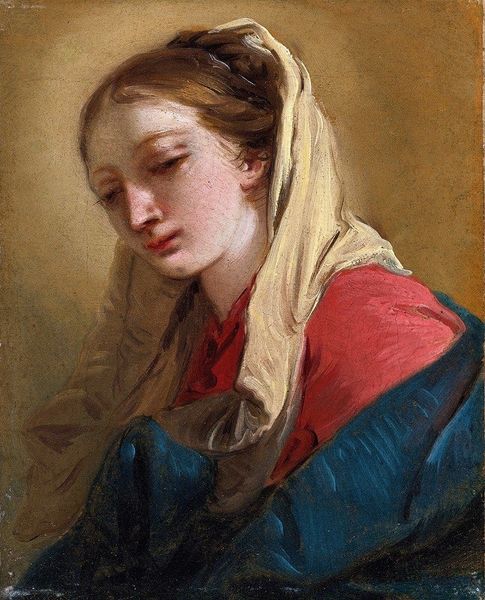
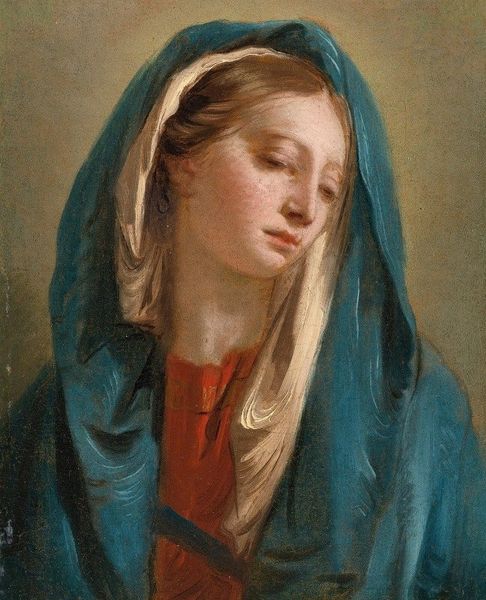
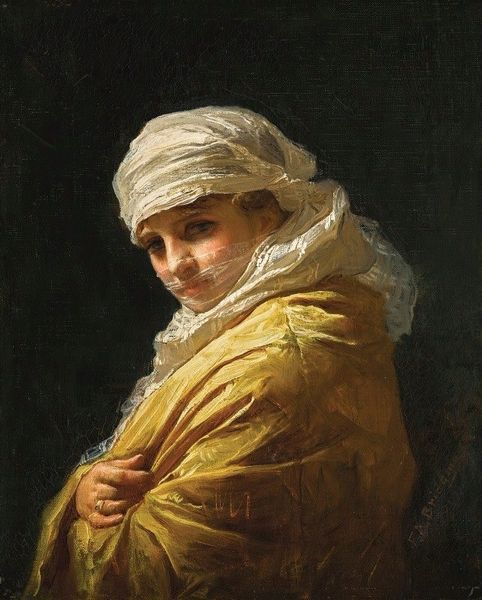
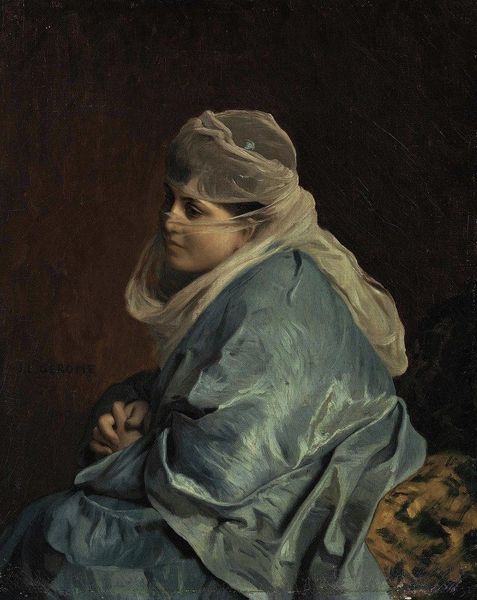
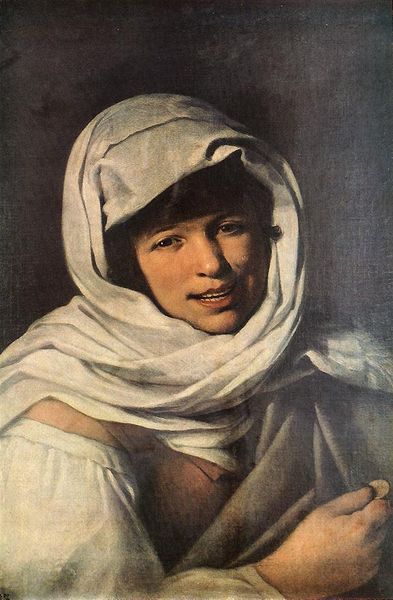
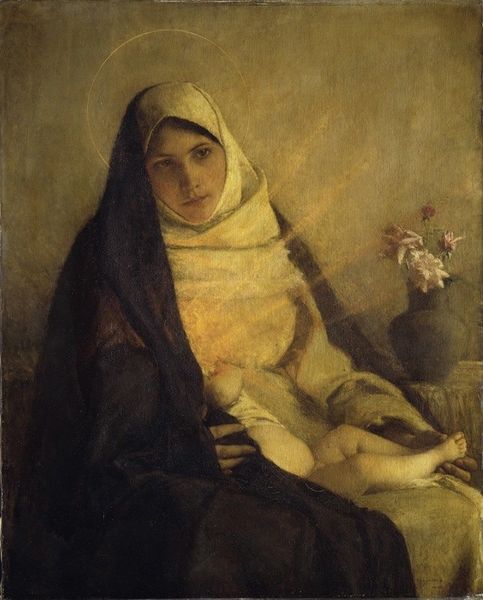
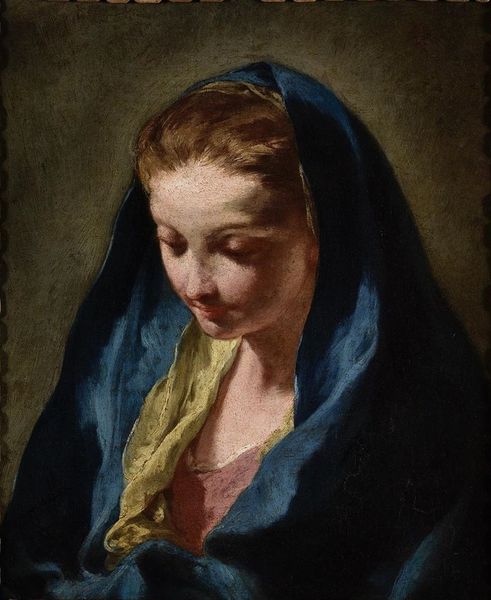
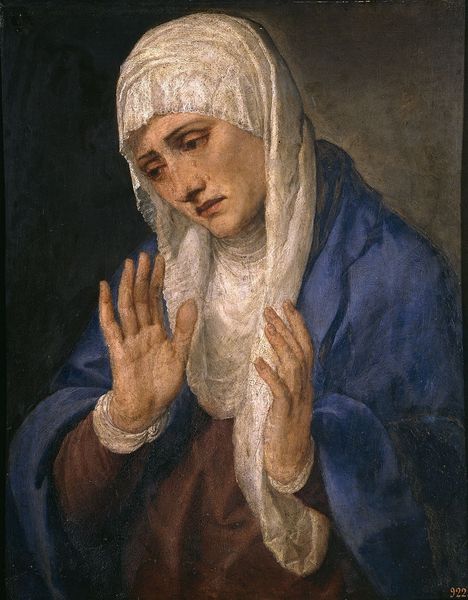
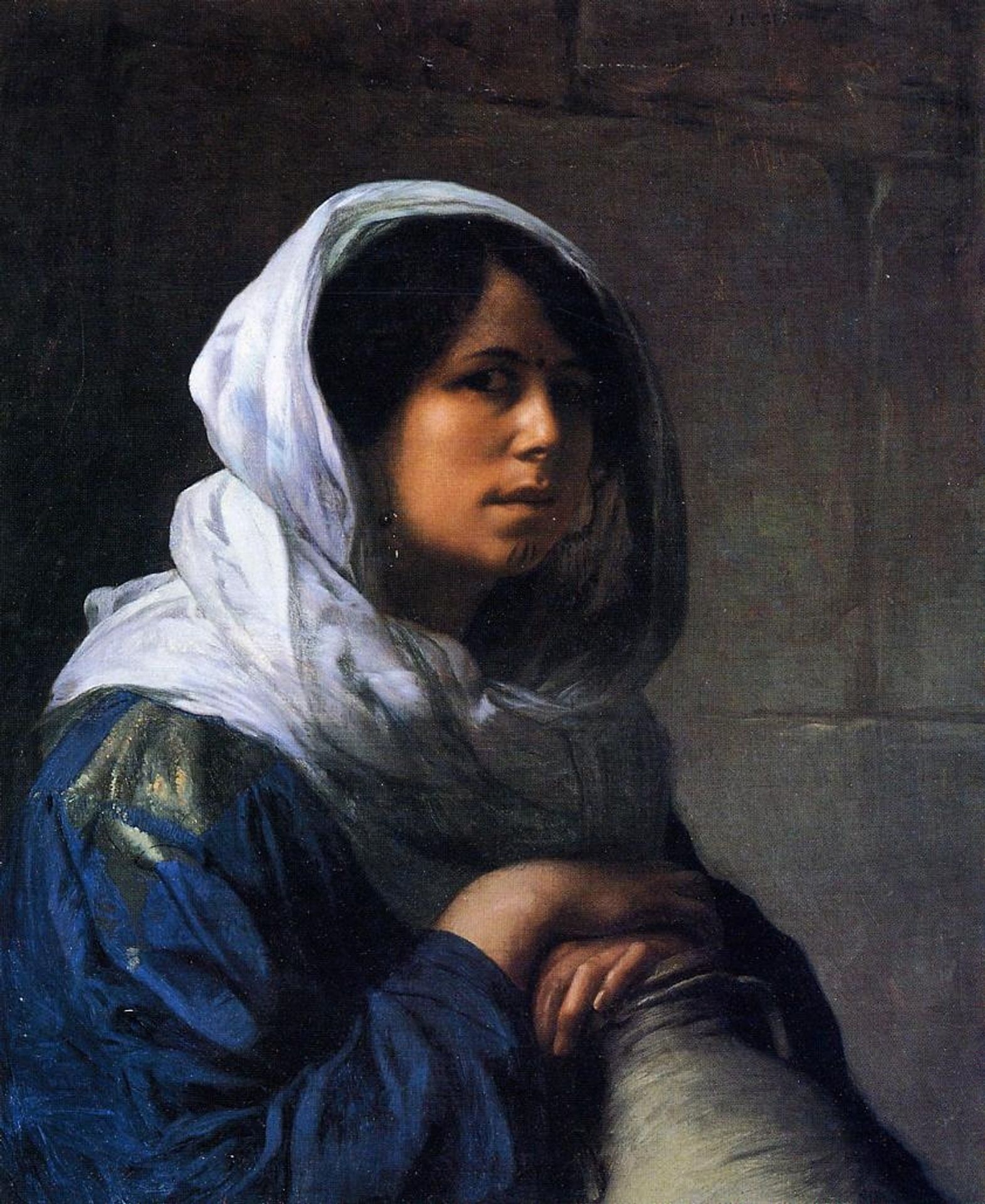
Jean-Léon Gérôme painted 'Egyptian Water Carrier' during a time when European artists frequently depicted the Middle East, often through an Orientalist lens. The painting invites us to consider the representation of women and labor in 19th-century art. Here, the woman is the focal point, but her identity as an individual is overshadowed by her role as a water carrier. The work prompts reflection on how individuals from different cultures are perceived and portrayed. Does it capture a true likeness, or is it mediated through the artist's cultural biases? The woman’s gaze feels direct, yet distant; what does it mean to be seen, but not necessarily understood? This artwork offers insight into societal attitudes towards gender, race, and class during that era. It encourages us to think about the narratives art constructs, and whose stories are being told—or perhaps, appropriated. The woman’s quiet strength radiates from the canvas, despite the limiting representation.
Egyptian Water Carrier
1882

Jean-Léon Gérôme
1824 - 1904Location
Museum of John Paul II Collection, Warsaw, PolandArtwork details
- Location
- Museum of John Paul II Collection, Warsaw, Poland
- Copyright
- Public domain
Comments
Share your thoughts
About this artwork
Jean-Léon Gérôme painted 'Egyptian Water Carrier' during a time when European artists frequently depicted the Middle East, often through an Orientalist lens. The painting invites us to consider the representation of women and labor in 19th-century art. Here, the woman is the focal point, but her identity as an individual is overshadowed by her role as a water carrier. The work prompts reflection on how individuals from different cultures are perceived and portrayed. Does it capture a true likeness, or is it mediated through the artist's cultural biases? The woman’s gaze feels direct, yet distant; what does it mean to be seen, but not necessarily understood? This artwork offers insight into societal attitudes towards gender, race, and class during that era. It encourages us to think about the narratives art constructs, and whose stories are being told—or perhaps, appropriated. The woman’s quiet strength radiates from the canvas, despite the limiting representation.
Comments
Share your thoughts