About this artwork
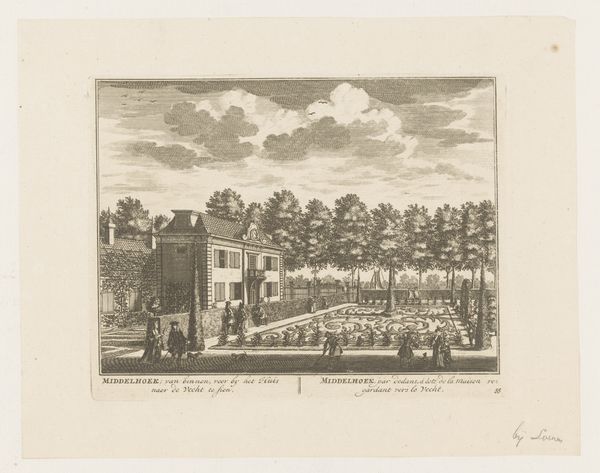
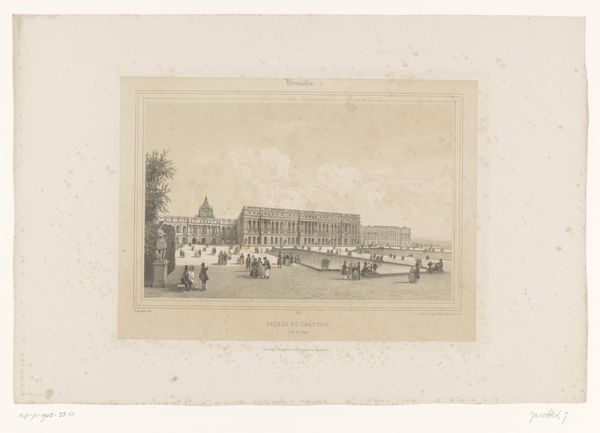
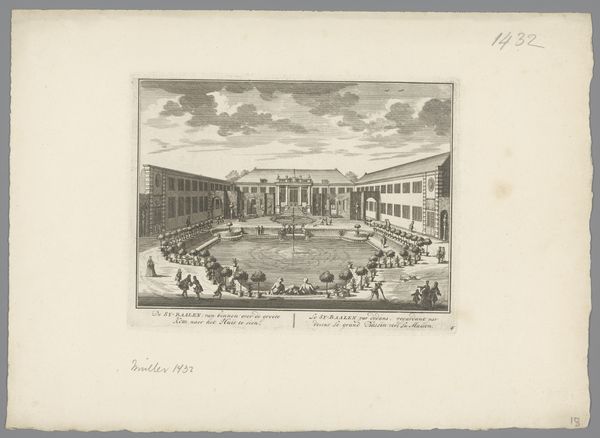
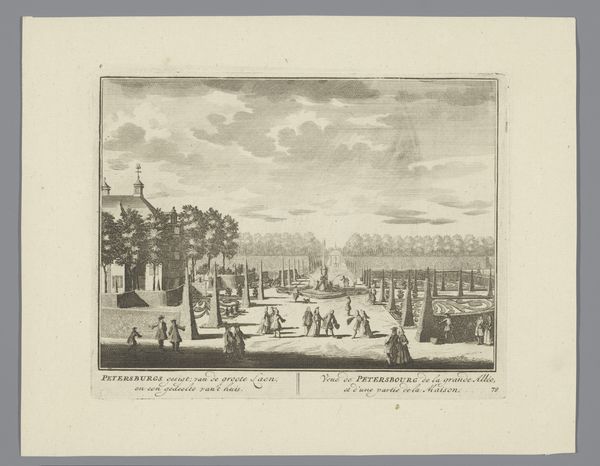
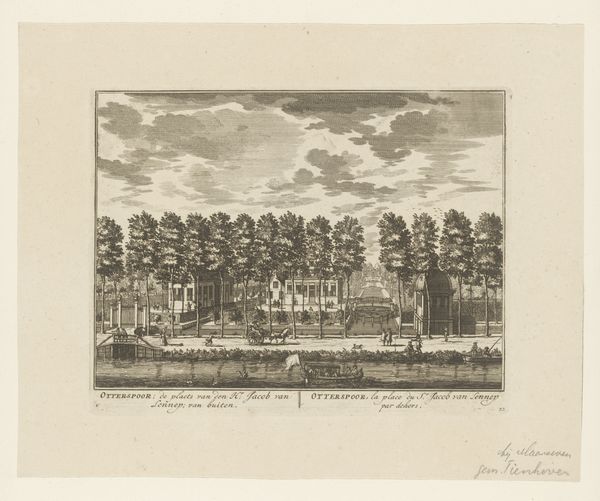
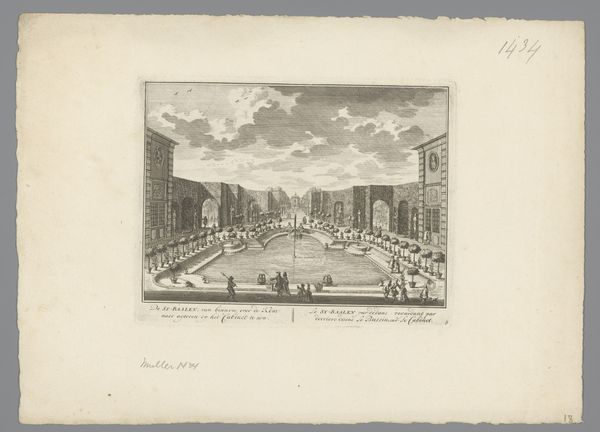
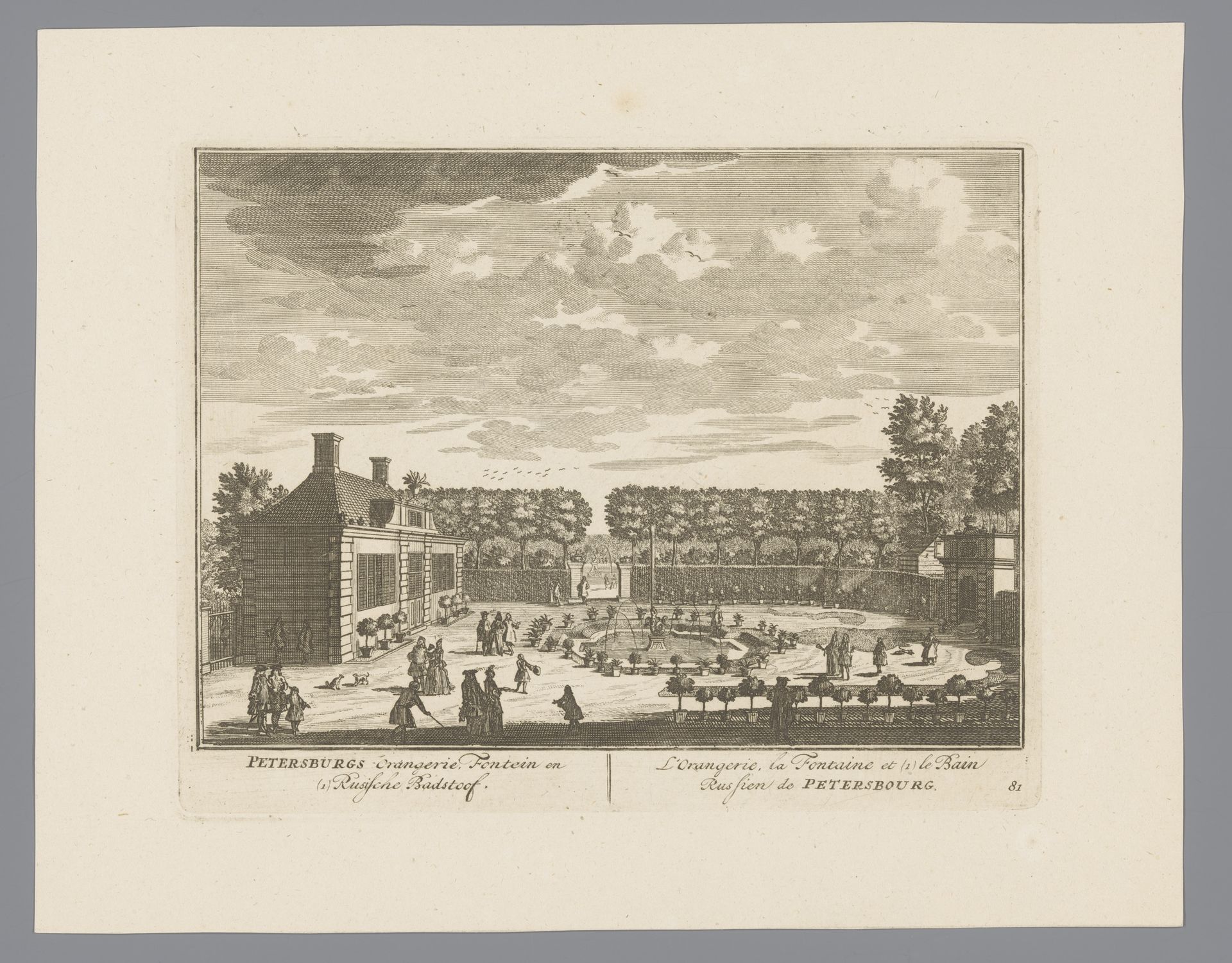
Daniël Stopendaal created this vista of the Oranjerie of House Petersburg using etching. The garden, depicted with meticulous symmetry, is more than a pleasant landscape; it’s a symbol of control over nature, a concept stretching back to ancient Persian gardens. Notice how the orderly rows of trees and meticulously shaped bushes echo the human desire to impose order on the wild. This taming of nature, mirrored in grand European gardens like Versailles, reflects a deeper psychological need to manage our environment. Think of the labyrinth, a common garden feature: it embodies our subconscious journey through life's complexities, each turn a decision, each path a potential revelation. Such imagery is not static; it evolves. From the sacred groves of antiquity to the modern urban park, the garden motif persists, continually reshaped by cultural and emotional imperatives. The symmetry and control seen here speak to a desire for harmony. These cultural memories continue to influence our landscapes, echoing through time.
Gezicht op de oranjerie van huis Petersburg
1719

Daniël Stopendaal
1672 - 1726Location
RijksmuseumArtwork details
- Medium
- print, etching, engraving
- Dimensions
- height 160 mm, width 205 mm
- Location
- Rijksmuseum
- Copyright
- Rijks Museum: Open Domain
Tags
Comments
Share your thoughts
About this artwork
Daniël Stopendaal created this vista of the Oranjerie of House Petersburg using etching. The garden, depicted with meticulous symmetry, is more than a pleasant landscape; it’s a symbol of control over nature, a concept stretching back to ancient Persian gardens. Notice how the orderly rows of trees and meticulously shaped bushes echo the human desire to impose order on the wild. This taming of nature, mirrored in grand European gardens like Versailles, reflects a deeper psychological need to manage our environment. Think of the labyrinth, a common garden feature: it embodies our subconscious journey through life's complexities, each turn a decision, each path a potential revelation. Such imagery is not static; it evolves. From the sacred groves of antiquity to the modern urban park, the garden motif persists, continually reshaped by cultural and emotional imperatives. The symmetry and control seen here speak to a desire for harmony. These cultural memories continue to influence our landscapes, echoing through time.
Comments
Share your thoughts