About this artwork
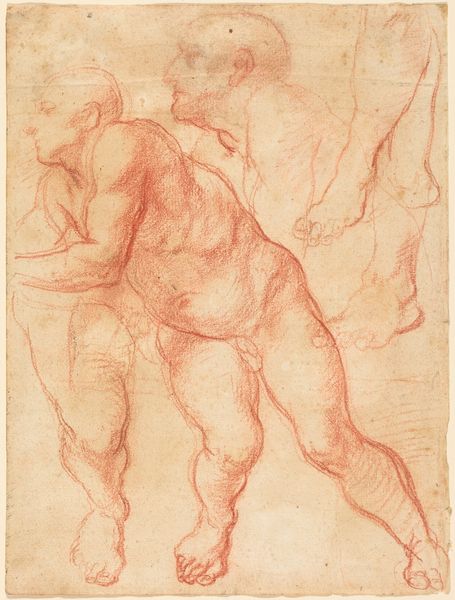
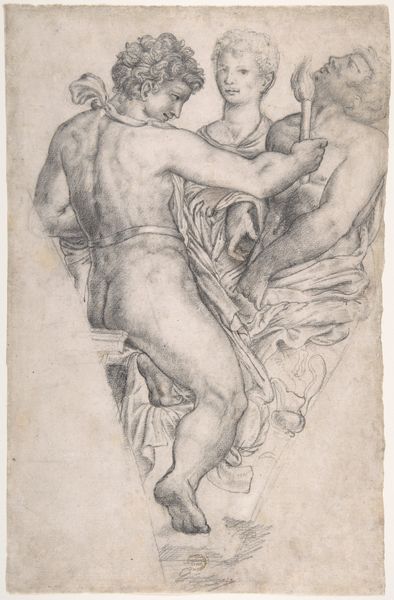
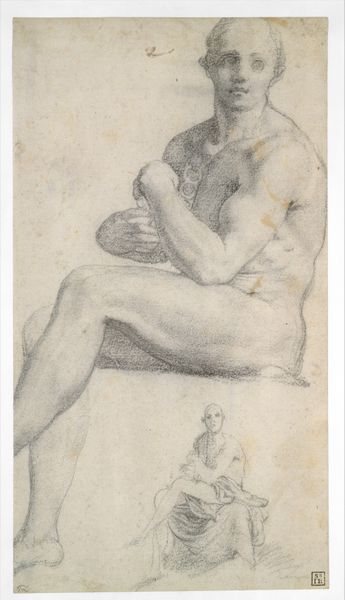
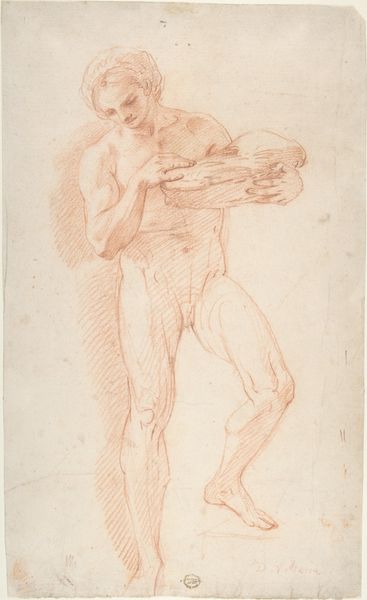
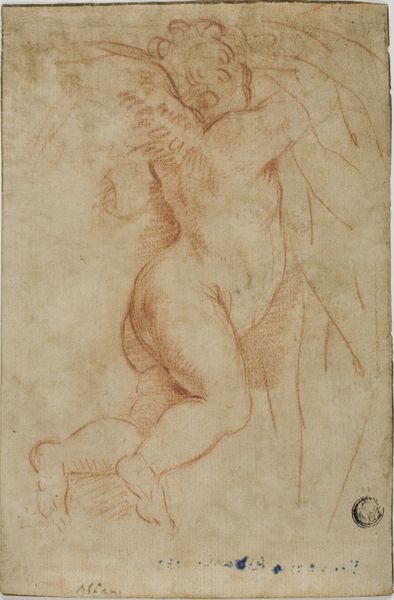
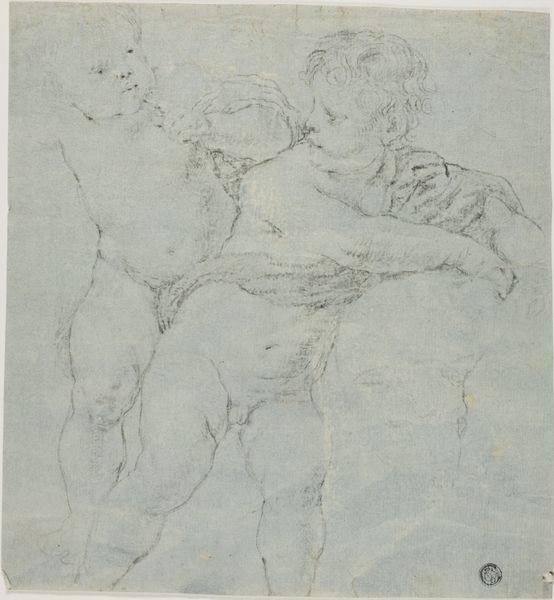
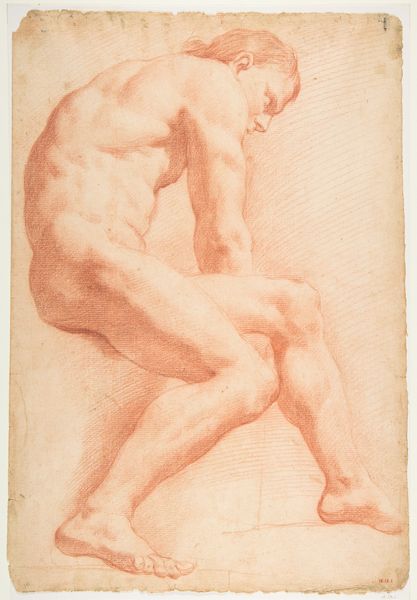
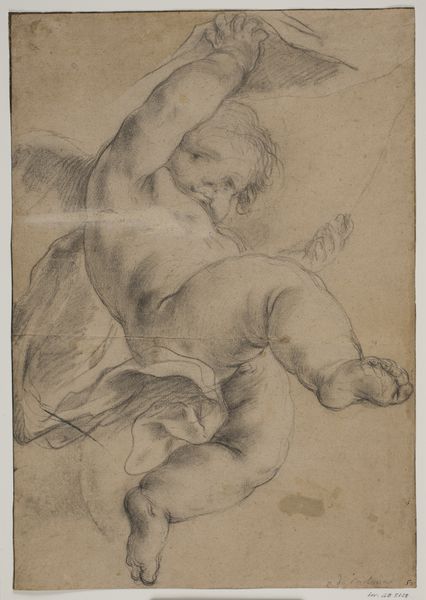
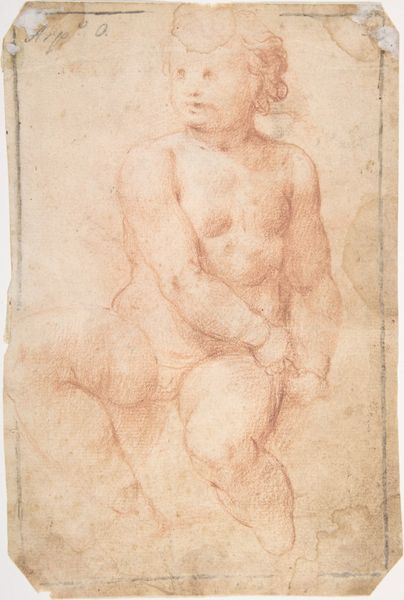
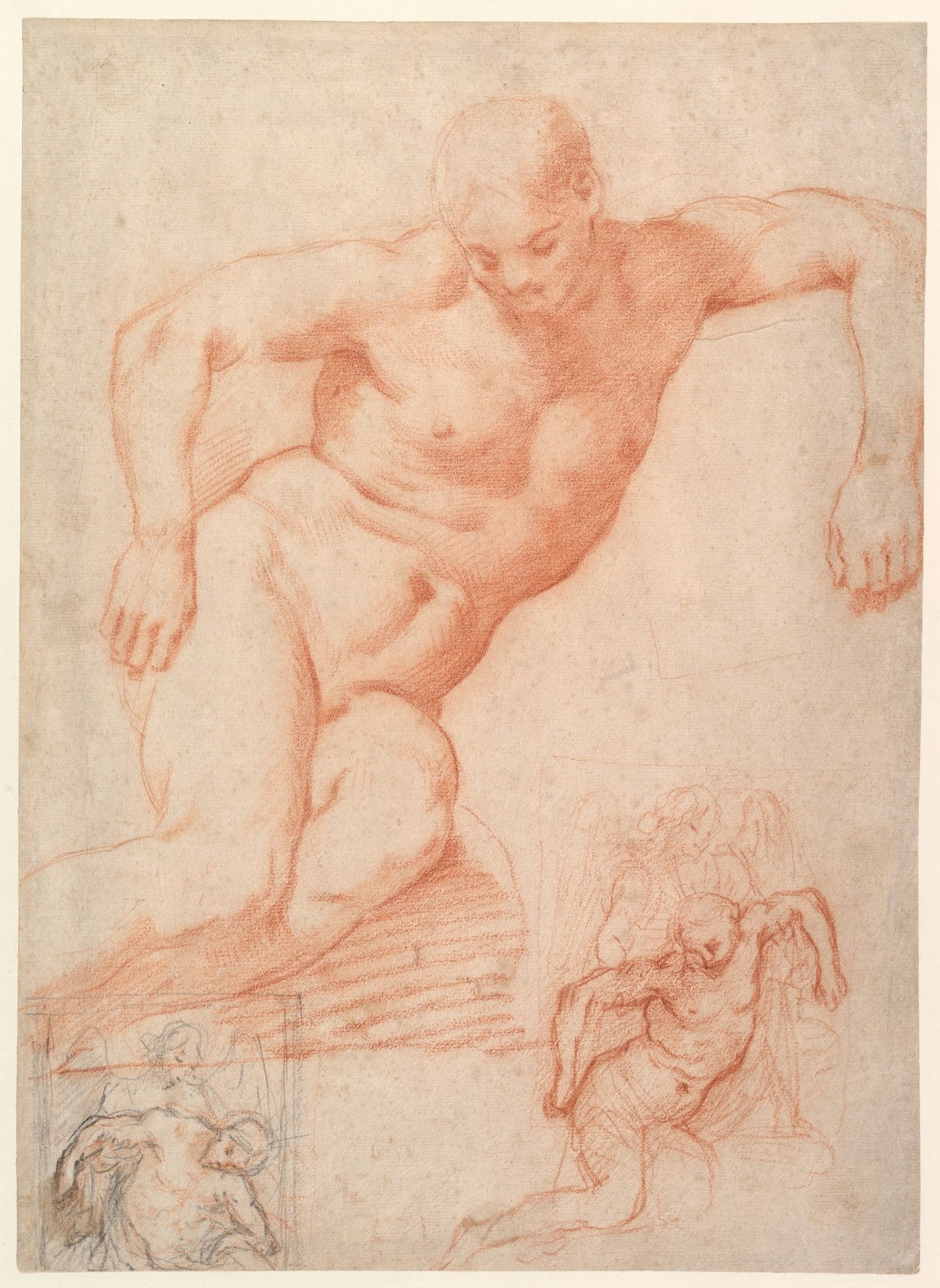
Poppi created these studies in the 16th century, using red chalk on paper. Chalk is interesting because it’s so basic: just a readily available stone, ground into a powder and then formed into a usable stick. But look closely at the artist's skill in how he coaxes the material to describe the body of Christ, supported by an angel. Chalk allows for a full range of effects, from the crisp lines that define contours to the broader strokes used to indicate shadow and volume. You can almost feel the weight and texture of the body, even on a flat sheet of paper. In the Renaissance, drawing was seen as the foundation of all artistic practice. Chalk was a common choice for preparatory sketches and studies, valued for its immediacy, and relative affordability. These quick, almost ephemeral drawings were essential to a painter's process. Next time you see a finished painting from this period, remember that it likely began with humble materials like this, and represents a huge amount of labor, as well as the creative spark of the artist.
Studies of the Dead Christ supported by an Angel, with subsidiary studies for the same composition 1565 - 1575

Poppi (Francesco Morandini)
1544 - 1597
The Metropolitan Museum of Art
Metropolitan Museum of Art, New York, NYArtwork details
- Medium
- drawing, print, pencil
- Dimensions
- sheet: 14 7/16 x 10 5/16 in. (36.6 x 26.2 cm)
- Location
- Metropolitan Museum of Art, New York, NY
- Copyright
- Public Domain
Tags
drawing
charcoal drawing
figuration
11_renaissance
pencil drawing
pencil
history-painting
italian-renaissance
nude
angel
Comments
No comments
About this artwork
Poppi created these studies in the 16th century, using red chalk on paper. Chalk is interesting because it’s so basic: just a readily available stone, ground into a powder and then formed into a usable stick. But look closely at the artist's skill in how he coaxes the material to describe the body of Christ, supported by an angel. Chalk allows for a full range of effects, from the crisp lines that define contours to the broader strokes used to indicate shadow and volume. You can almost feel the weight and texture of the body, even on a flat sheet of paper. In the Renaissance, drawing was seen as the foundation of all artistic practice. Chalk was a common choice for preparatory sketches and studies, valued for its immediacy, and relative affordability. These quick, almost ephemeral drawings were essential to a painter's process. Next time you see a finished painting from this period, remember that it likely began with humble materials like this, and represents a huge amount of labor, as well as the creative spark of the artist.
Comments
No comments