About this artwork
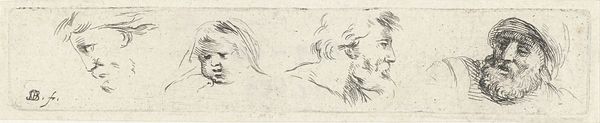
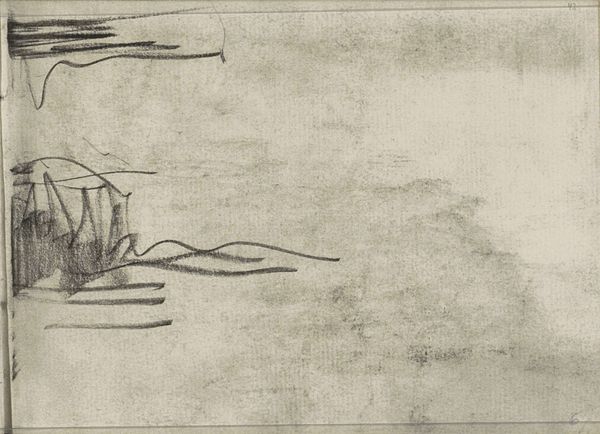
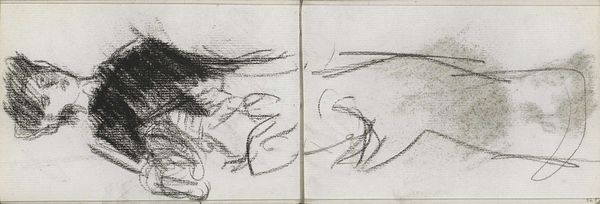
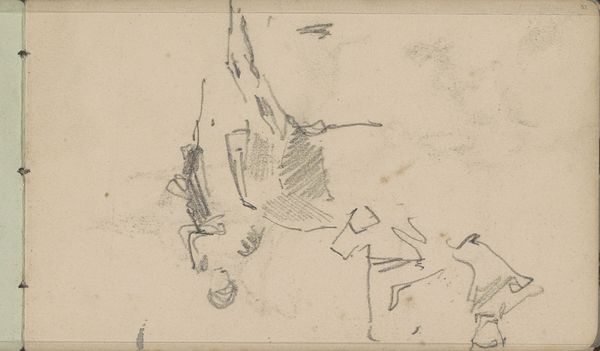
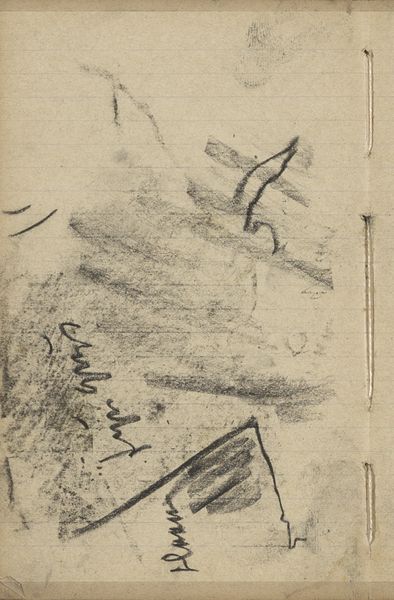
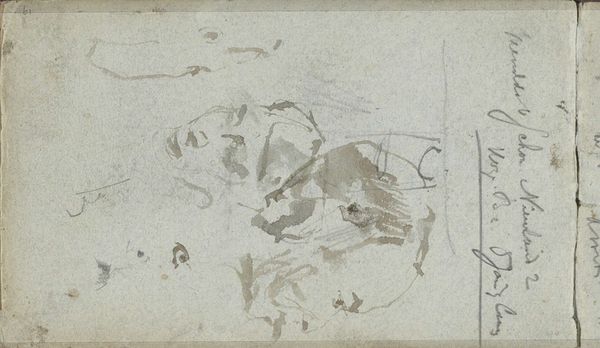
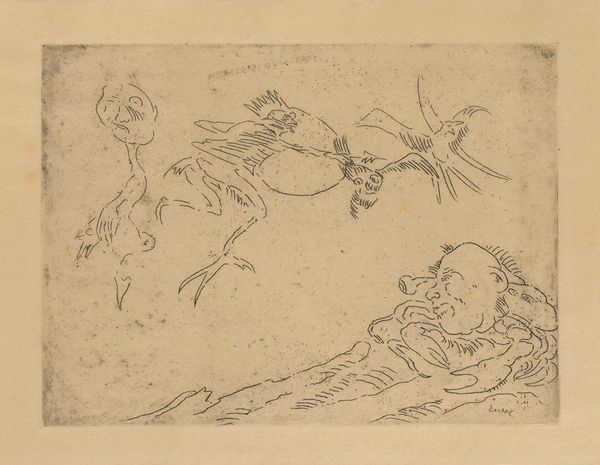
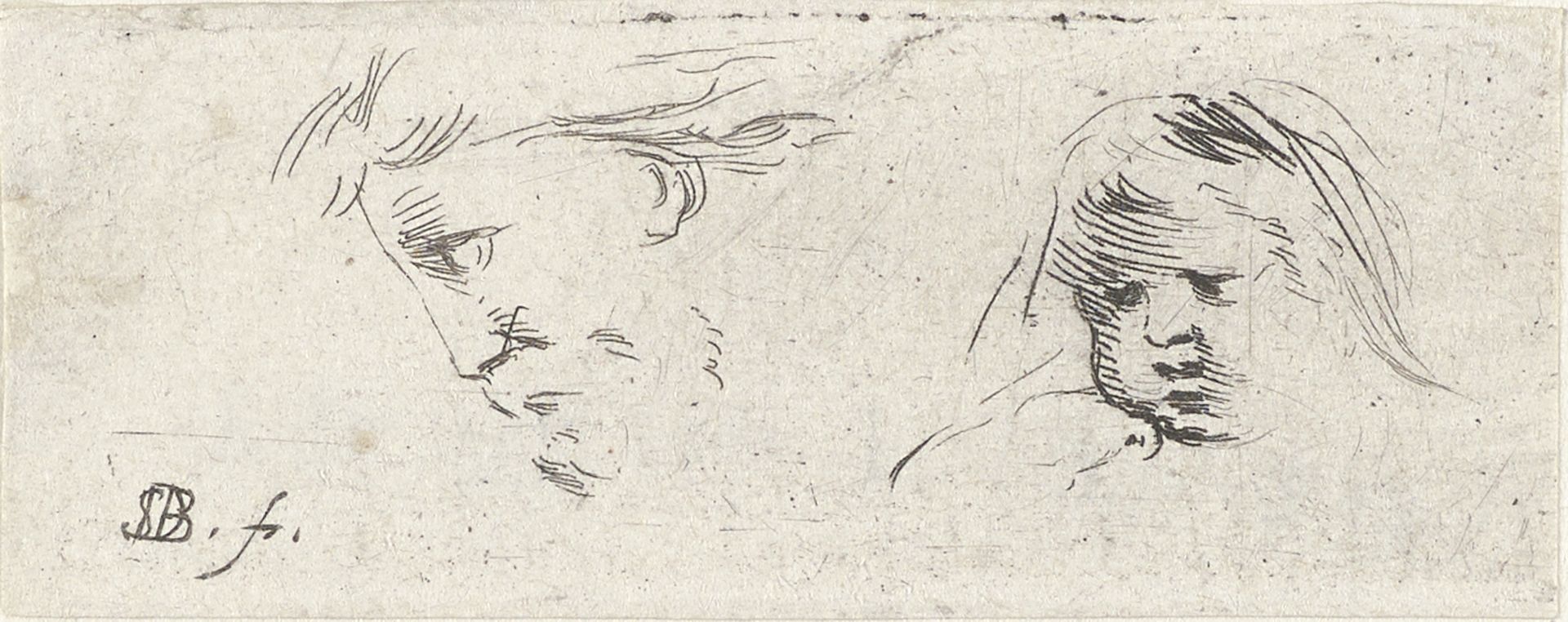
Stefano della Bella made this etching of an old man and a child's head sometime in the mid-17th century. Bella was an Italian printmaker whose sketches of everyday life were incredibly popular. We can tell from his etchings that he was fascinated by the theater. He saw all the world as a stage and was interested in capturing the faces of his time. His works reveal the social and cultural values of the period. Here we see the artist practicing capturing the likeness of people of different ages. The man has an intellectual look; his brow is heavy as he's staring down in thought. The child's face has the softness of youth, yet a similar look of brooding. What could they both be thinking about? Della Bella left us the clues to imagine. Looking at Bella’s work, historians might explore the relationship between social class and leisure in 17th-century Europe using prints like these to reveal how people lived and what they valued.
Gezicht van een oude man en en het hoofd van een kind
1620 - 1657

Stefano della Bella
1610 - 1664Location
RijksmuseumArtwork details
- Medium
- drawing, paper, ink
- Dimensions
- height 22 mm, width 61 mm
- Location
- Rijksmuseum
- Copyright
- Rijks Museum: Open Domain
Tags
Comments
Share your thoughts
About this artwork
Stefano della Bella made this etching of an old man and a child's head sometime in the mid-17th century. Bella was an Italian printmaker whose sketches of everyday life were incredibly popular. We can tell from his etchings that he was fascinated by the theater. He saw all the world as a stage and was interested in capturing the faces of his time. His works reveal the social and cultural values of the period. Here we see the artist practicing capturing the likeness of people of different ages. The man has an intellectual look; his brow is heavy as he's staring down in thought. The child's face has the softness of youth, yet a similar look of brooding. What could they both be thinking about? Della Bella left us the clues to imagine. Looking at Bella’s work, historians might explore the relationship between social class and leisure in 17th-century Europe using prints like these to reveal how people lived and what they valued.
Comments
Share your thoughts