About this artwork
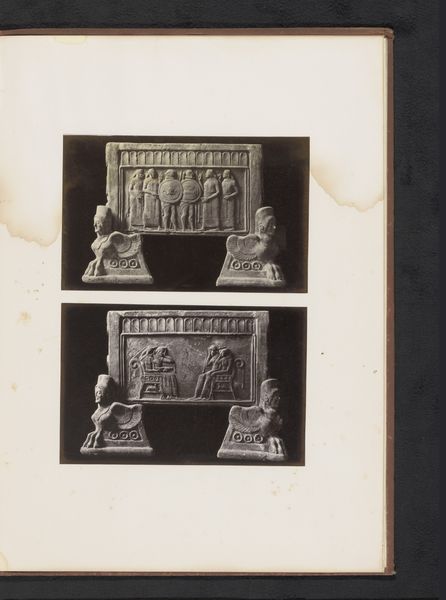
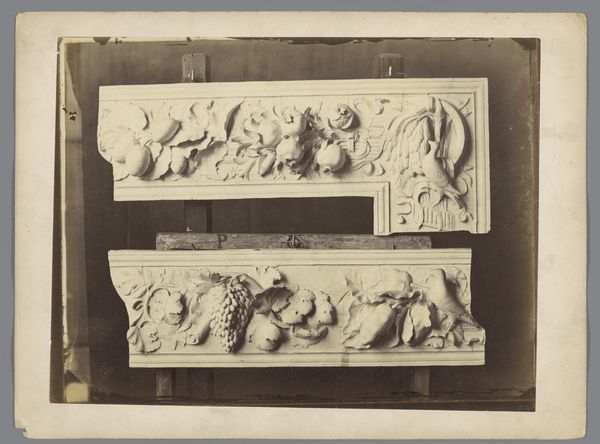
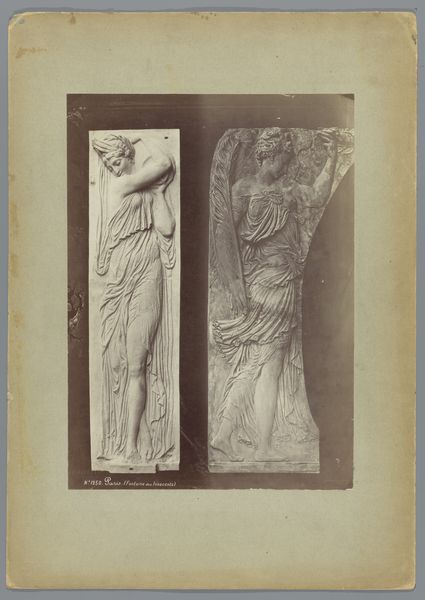
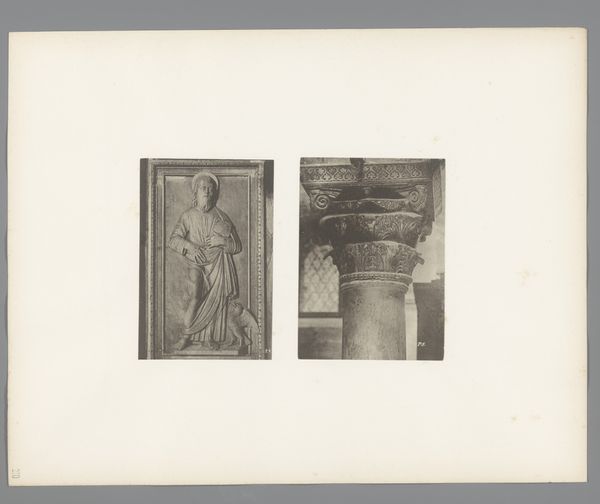
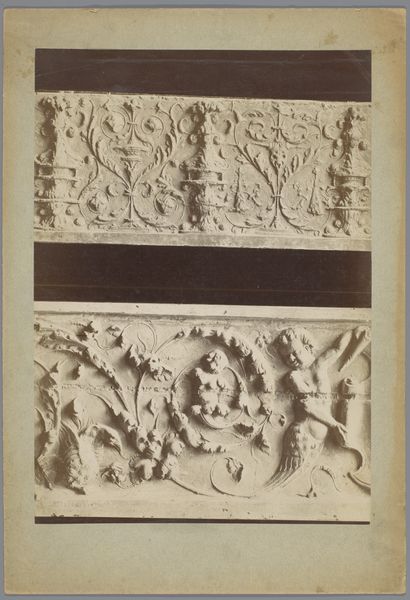
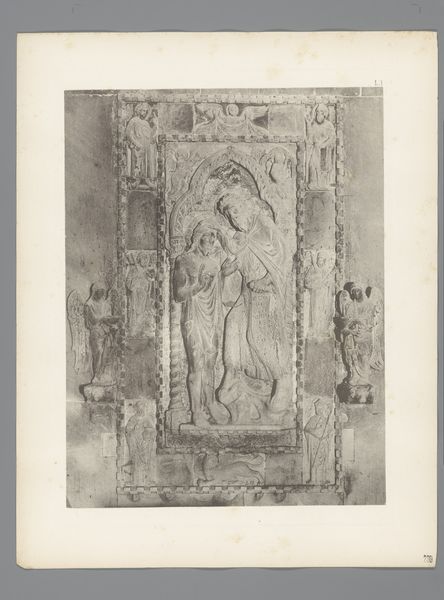
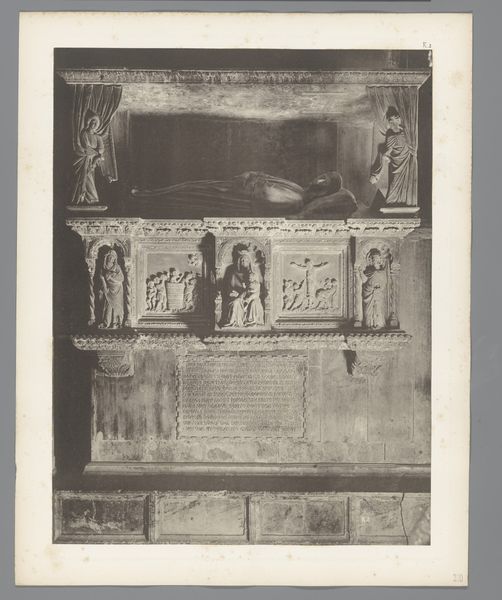
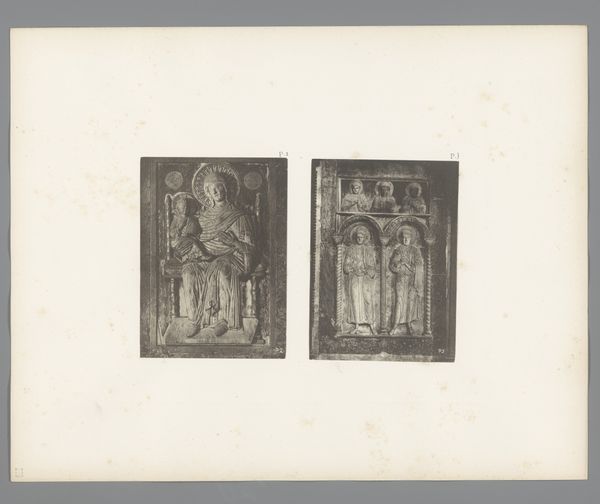
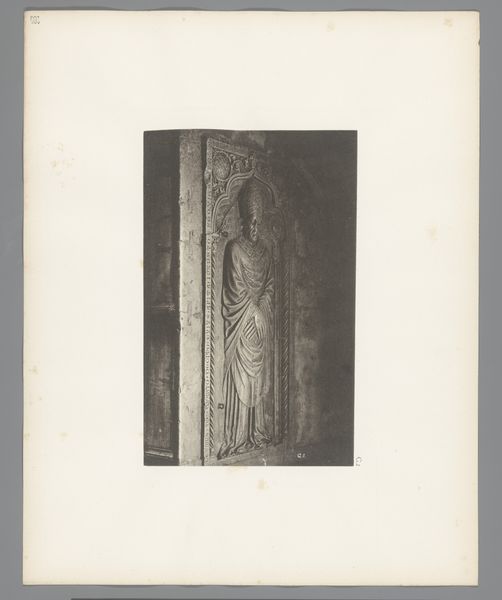
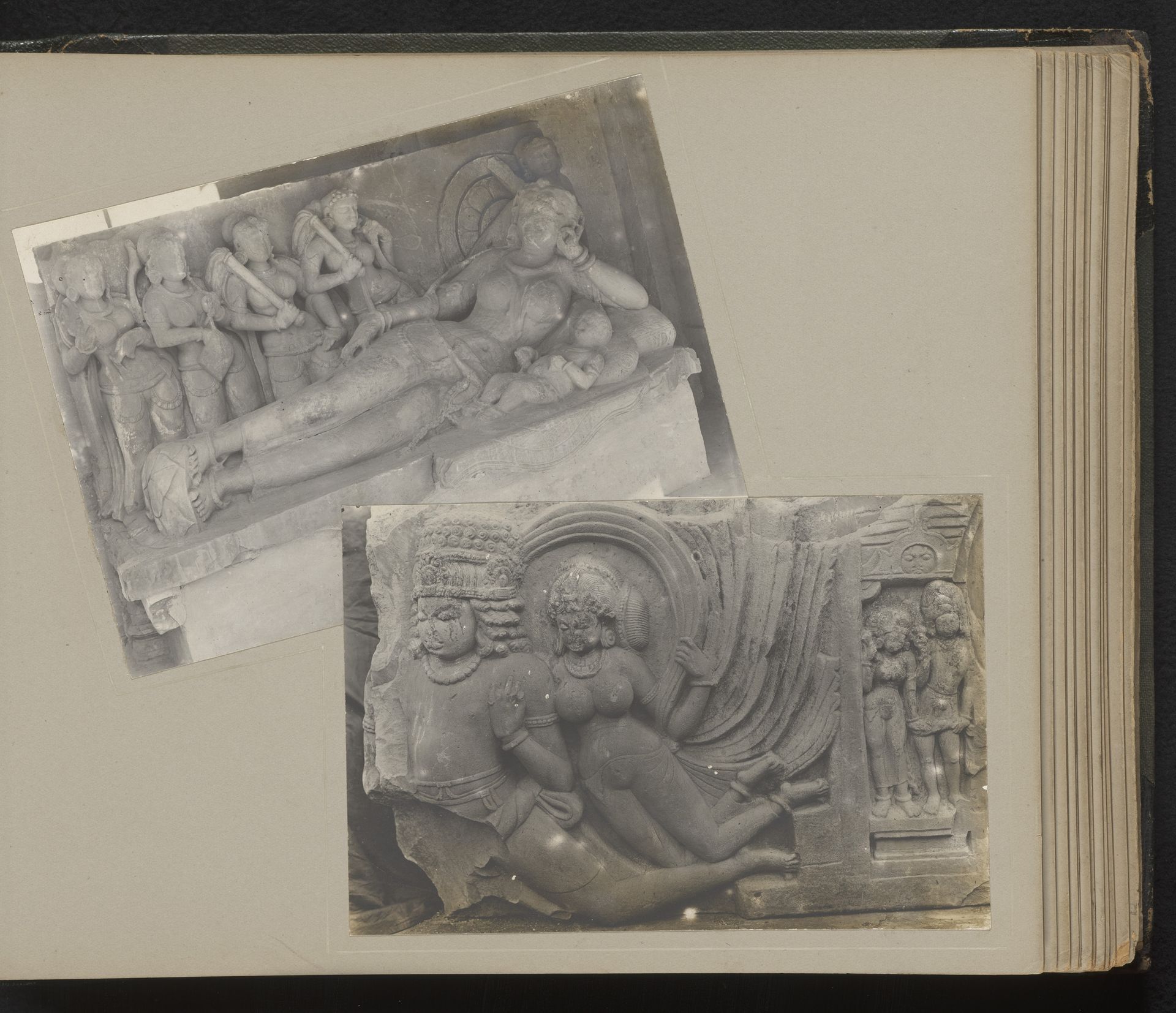
These two sculptural reliefs by K.H. Mawal capture scenes from Hindu mythology, likely carved from stone. The upper relief seems to depict Krishna with Yasoda, attended by figures bearing arms. The lower relief portrays two figures, perhaps deities, in intimate embrace, while attendants stand nearby. Without precise dating or provenance, we can only speculate on the reliefs’ socio-cultural context, possibly somewhere in India. The clothing, adornments, and bodily depictions offer us clues. The presence of armed figures suggests themes of power and protection. The intimate embrace in the lower panel may speak to fertility or divine love, themes common throughout Indian art and religious traditions. Scholars of religious iconography, textile historians, and experts in early Indian history could provide valuable insights. Understanding these sculptures requires piecing together fragments of information from various sources. It's a process that allows us to appreciate how art reflects the values, beliefs, and social structures of its time.

Artwork details
- Medium
- metal, relief, bronze, photography, sculpture, marble
- Dimensions
- height 206 mm, width 234 mm
- Copyright
- Rijks Museum: Open Domain
Tags
narrative-art
metal
asian-art
relief
bronze
figuration
photography
ancient-mediterranean
sculpture
marble
Comments
No comments
About this artwork
These two sculptural reliefs by K.H. Mawal capture scenes from Hindu mythology, likely carved from stone. The upper relief seems to depict Krishna with Yasoda, attended by figures bearing arms. The lower relief portrays two figures, perhaps deities, in intimate embrace, while attendants stand nearby. Without precise dating or provenance, we can only speculate on the reliefs’ socio-cultural context, possibly somewhere in India. The clothing, adornments, and bodily depictions offer us clues. The presence of armed figures suggests themes of power and protection. The intimate embrace in the lower panel may speak to fertility or divine love, themes common throughout Indian art and religious traditions. Scholars of religious iconography, textile historians, and experts in early Indian history could provide valuable insights. Understanding these sculptures requires piecing together fragments of information from various sources. It's a process that allows us to appreciate how art reflects the values, beliefs, and social structures of its time.
Comments
No comments