About this artwork
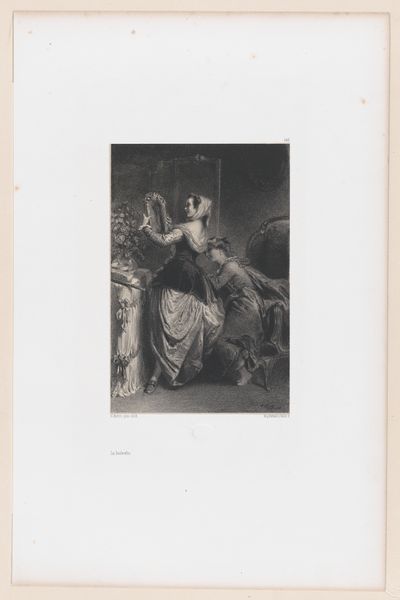
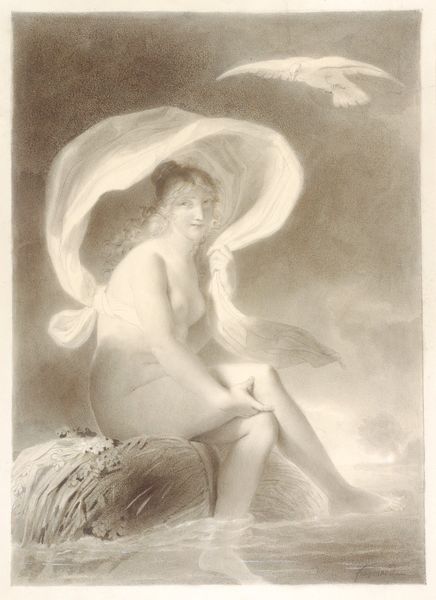
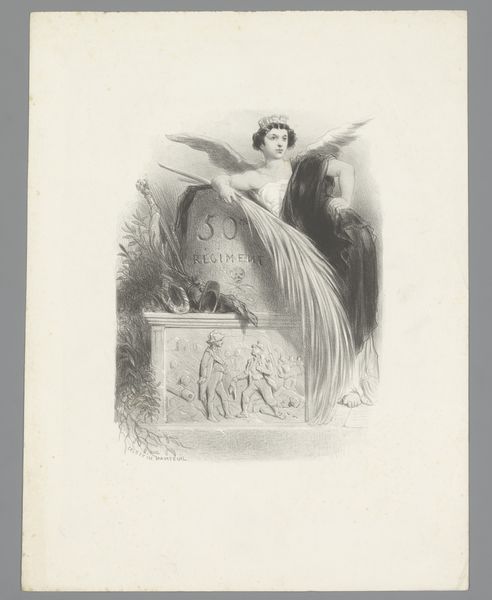
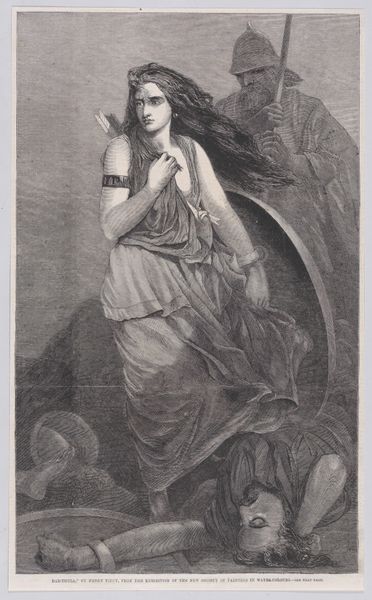
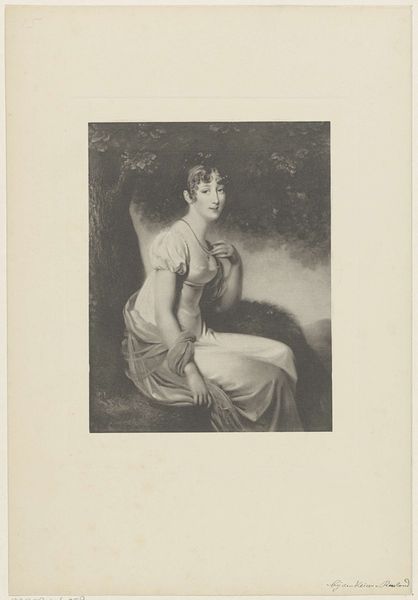
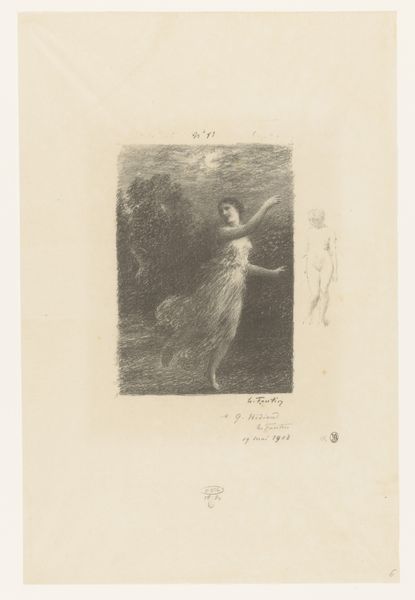
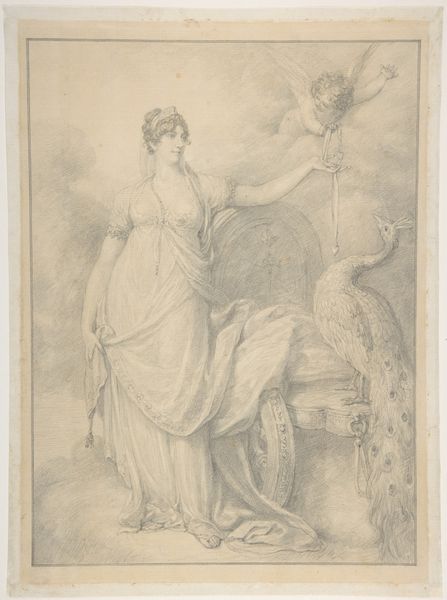
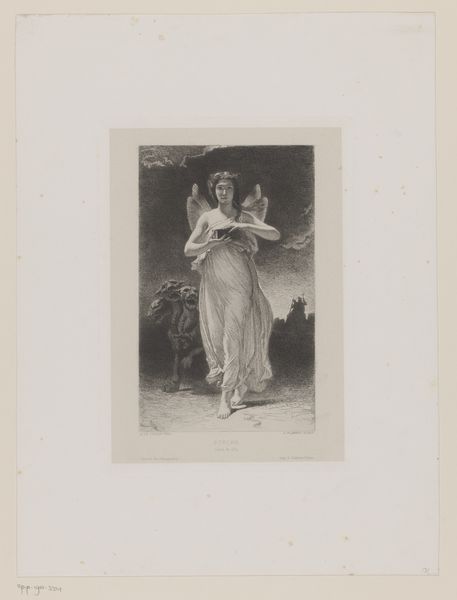
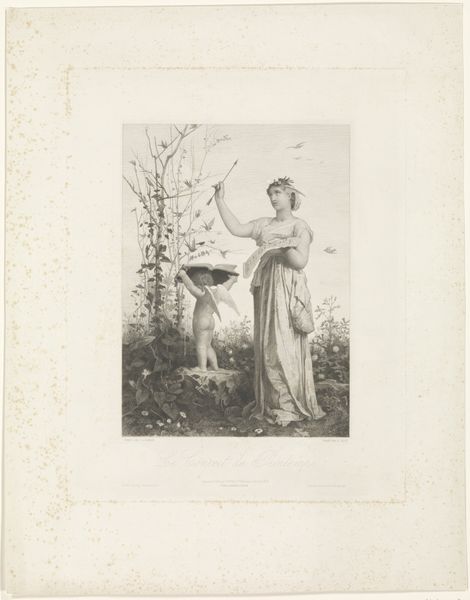
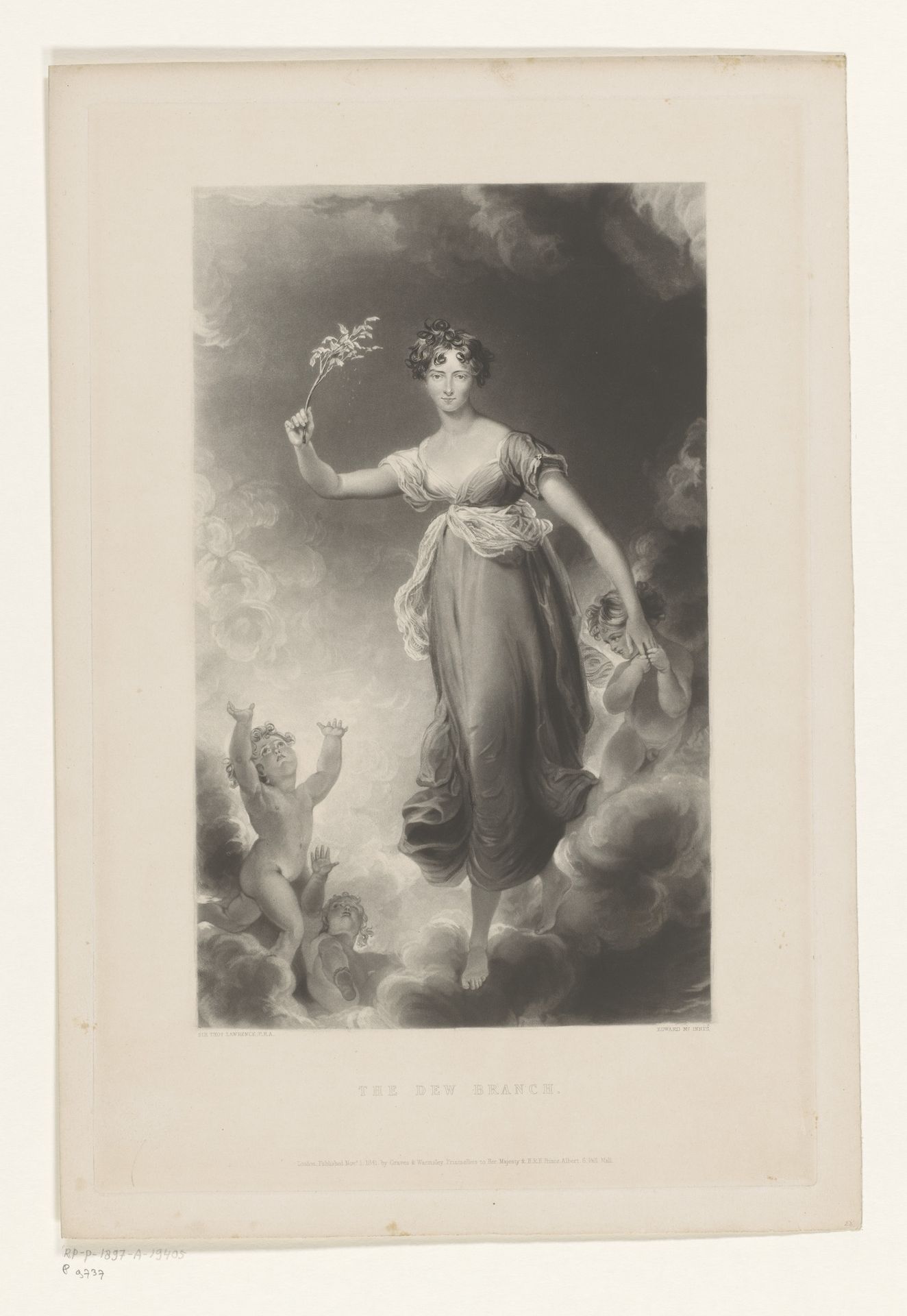
This print, 'Engelen en een vrouw met een tak waar dauw afdruppelt', was made by Edward McInnes in the 19th century using engraving. This process involves cutting lines into a metal plate, applying ink, and then pressing paper onto the plate to transfer the image. Engraving demands meticulous hand-eye coordination and physical control, reflecting the engraver’s skill. The fine lines and tonal variations, achieved through cross-hatching and stippling, create a delicate, almost ethereal quality that perfectly suits the subject matter. The contrast between light and shadow gives form to the figure of the woman and the cherubic angels, making them seem to float within the composition. The labor-intensive process of engraving was crucial for mass-producing images and disseminating information during this period, yet it also carried its own aesthetic value. It bridges the gap between fine art and craft, revealing the artistry embedded in reproductive techniques. Appreciating this work means considering the skill and effort required to produce it, as well as its role in shaping visual culture.

Artwork details
- Medium
- print, engraving
- Dimensions
- height 407 mm, width 271 mm
- Copyright
- Rijks Museum: Open Domain
Tags
allegory
figuration
framed image
romanticism
history-painting
nude
engraving
Comments
Be the first to share your thoughts about this work.
About this artwork
This print, 'Engelen en een vrouw met een tak waar dauw afdruppelt', was made by Edward McInnes in the 19th century using engraving. This process involves cutting lines into a metal plate, applying ink, and then pressing paper onto the plate to transfer the image. Engraving demands meticulous hand-eye coordination and physical control, reflecting the engraver’s skill. The fine lines and tonal variations, achieved through cross-hatching and stippling, create a delicate, almost ethereal quality that perfectly suits the subject matter. The contrast between light and shadow gives form to the figure of the woman and the cherubic angels, making them seem to float within the composition. The labor-intensive process of engraving was crucial for mass-producing images and disseminating information during this period, yet it also carried its own aesthetic value. It bridges the gap between fine art and craft, revealing the artistry embedded in reproductive techniques. Appreciating this work means considering the skill and effort required to produce it, as well as its role in shaping visual culture.
Comments
Be the first to share your thoughts about this work.