Studie zu einer Petersburger Hängung


Listen to curator's interpretation
Curatorial notes
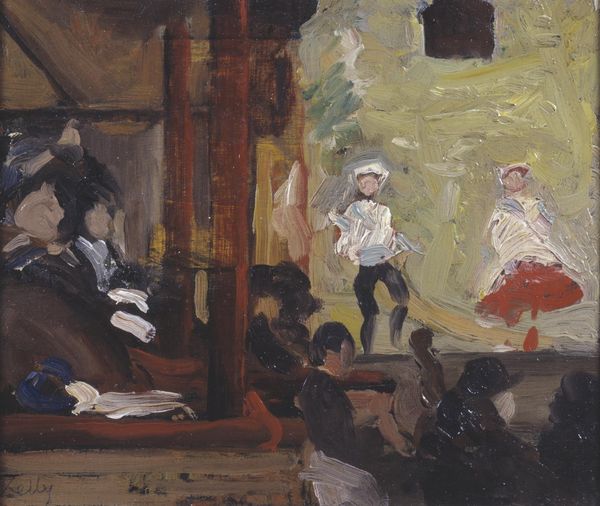
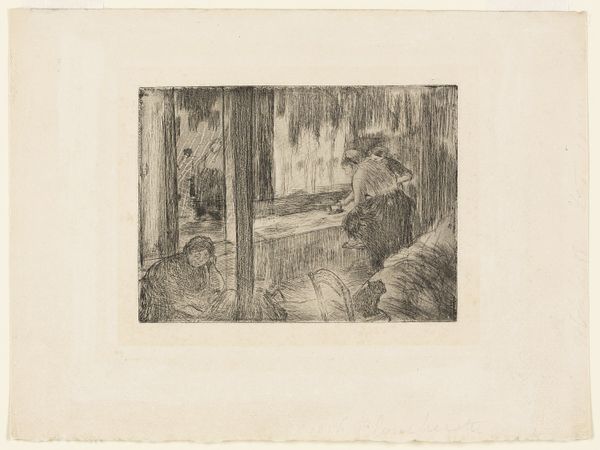
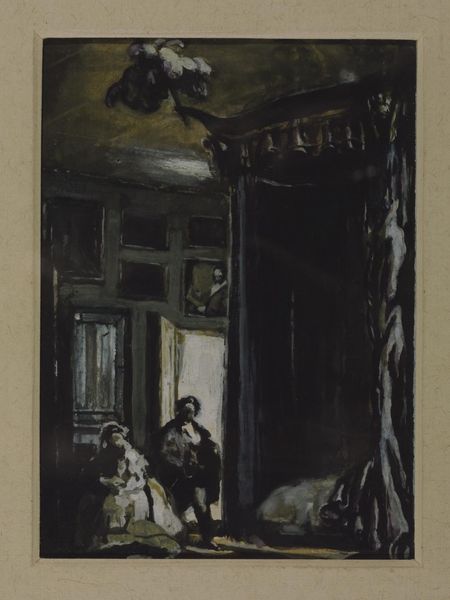
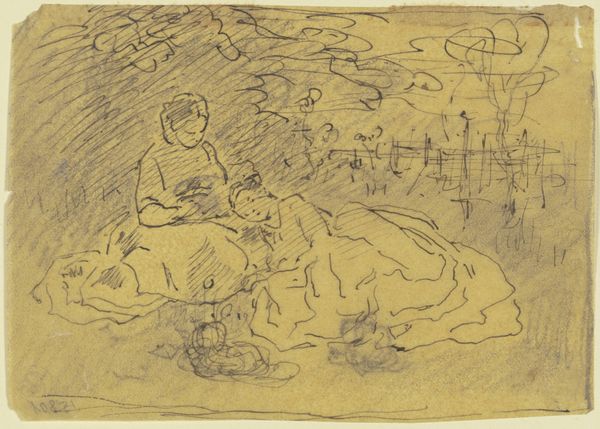
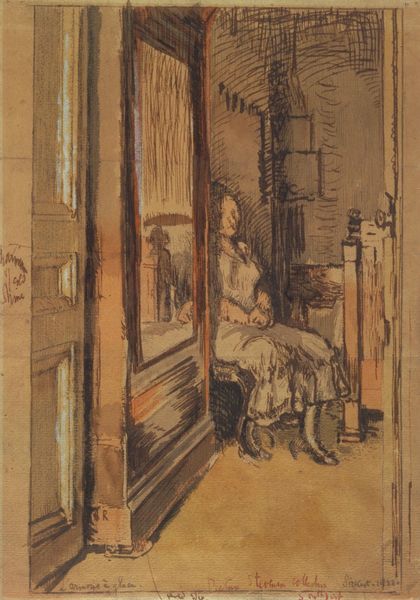
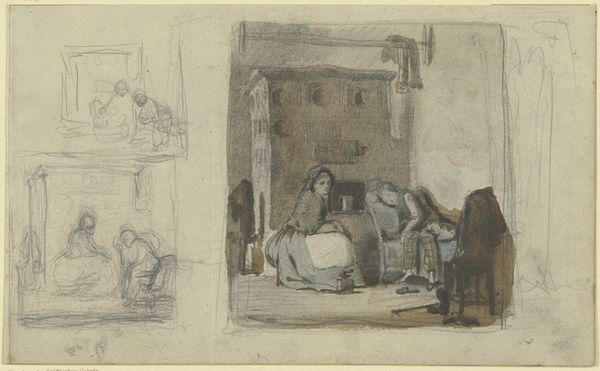
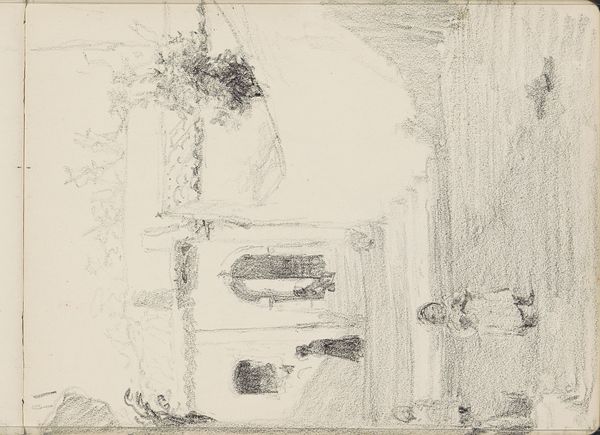
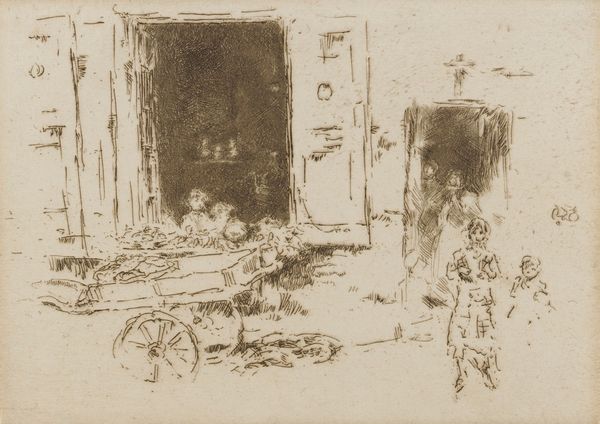
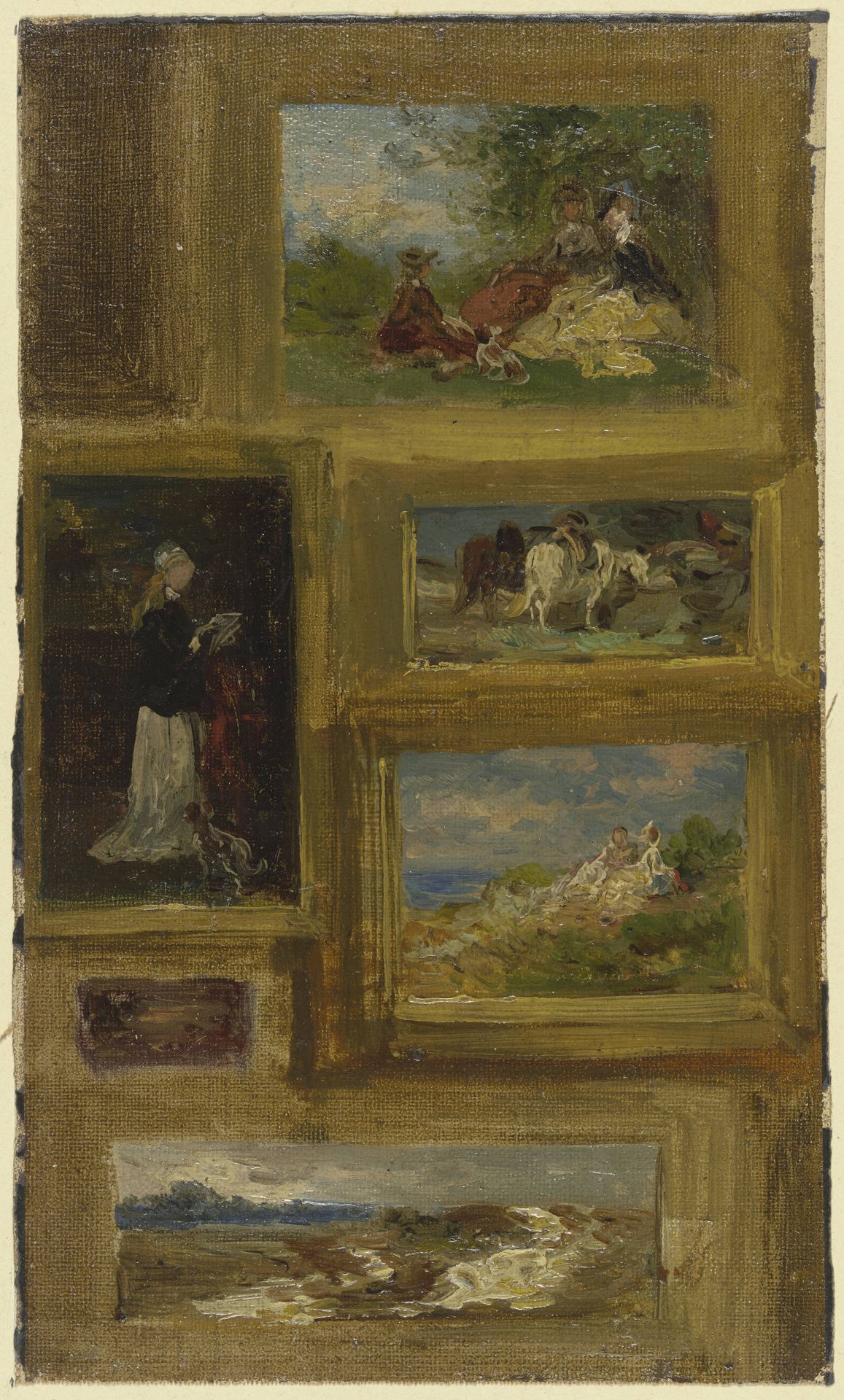
Editor: This is "Studie zu einer Petersburger Hängung", or "Study for a St. Petersburg Hanging," by Eugen Klimsch. It looks like an oil painting on canvas, maybe a preparatory study. I'm struck by the different scenes depicted. What can you tell me about it? Curator: What intrigues me is less what is represented, and more how Klimsch is engaging with the conventions of display. He's playing with the idea of the "salon hang," common in the 19th century, where artworks were densely packed, floor to ceiling. This "study" reveals the physical act of curation as a construction—an assembly line, almost, of aesthetic experience. Consider the labor involved: the artist creating the individual paintings, the framer, the person responsible for physically arranging these objects in a specific order, likely based on saleable factors, or influenced by taste of the wealthy patron. It is about how art becomes a commodity. Editor: I hadn’t thought about the hanging itself as a statement. So, by showing us this “study,” Klimsch is directing our attention to the materiality and the industry behind art display, and who gets access. Curator: Exactly! Consider the social context: these salon hangs were displays of wealth and taste. Klimsch is implicitly questioning who dictates these standards. What did it mean to mass produce artworks within a particular structure? How did the commodification impact the artworks being assembled into this specific hierarchy and structure, this ‘hang'? Editor: That's fascinating! It makes me think about the labor behind art and its consumption. It's not just about the image, but the entire system around it. Curator: Precisely! We have moved beyond pure aesthetics into how art operates as a function of materials, labor, and social positioning. Editor: This gives me a completely different lens to look at historical artworks! Curator: Me too!