1856 - 1860
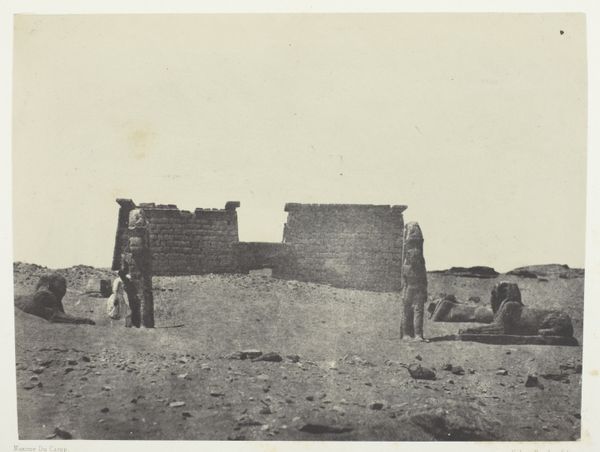
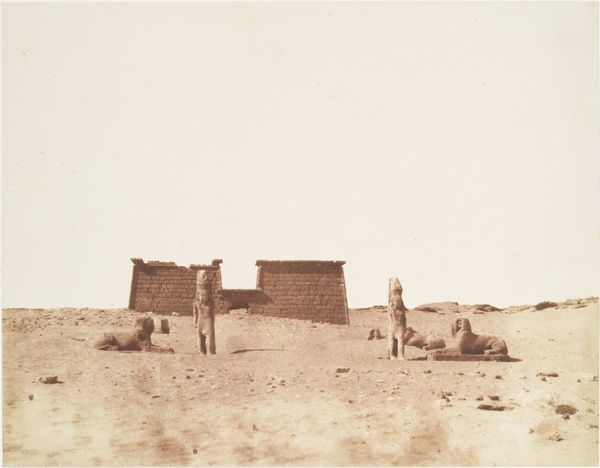
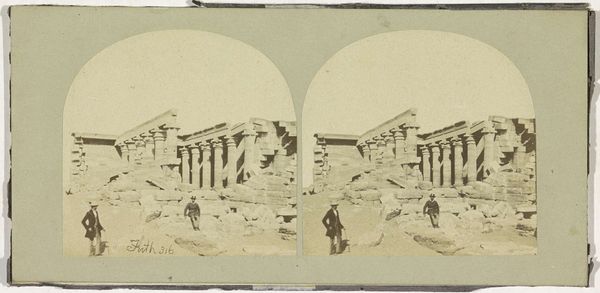
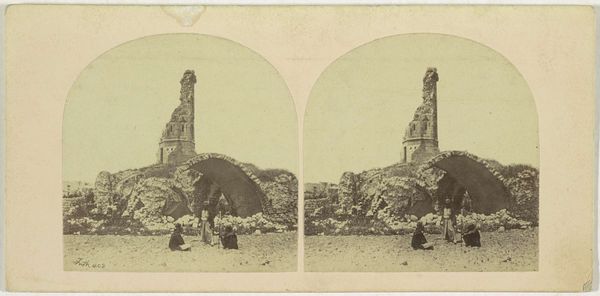
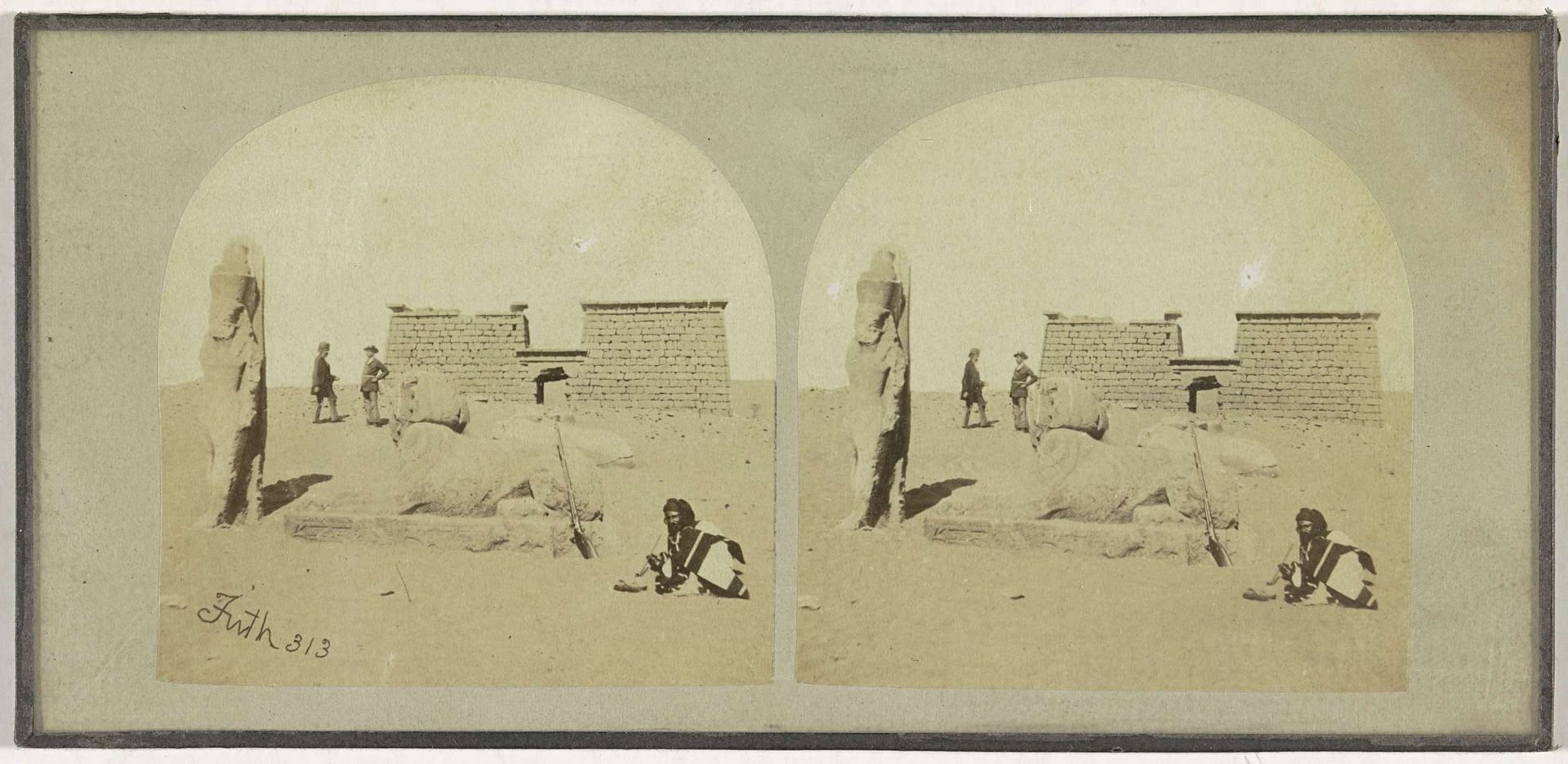
Kolossen en sfinxen bij de toegangsweg tot de tempel van Wadi es-Saboea, Egypte

Francis Frith
1822 - 1898Location
RijksmuseumListen to curator's interpretation
Curatorial notes
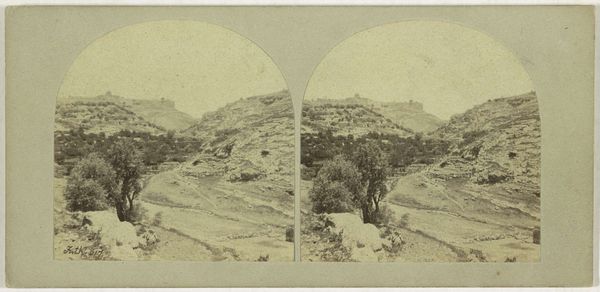
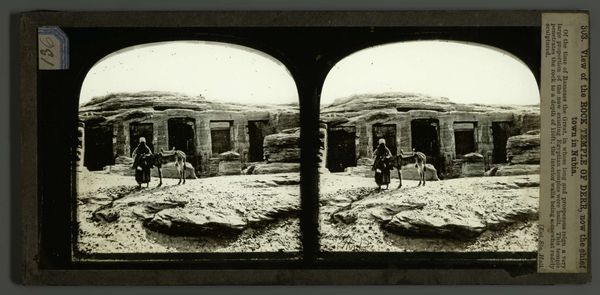
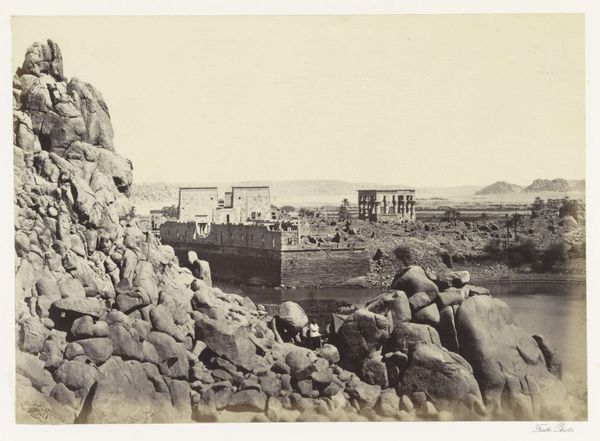
This stereoscopic image of the temple of Wadi es-Saboea in Egypt was made by Francis Frith sometime in the mid-19th century. Using a twin-lens camera, Frith captured two nearly identical images on glass negatives, then printed them on albumen paper. The appeal of stereoscopic images was their almost uncanny ability to evoke a sense of presence. Here, the texture of the ancient stonework, the vastness of the desert landscape, and the figures of the tourists milling about are all rendered with remarkable clarity. But it's important to remember that images like these, while seemingly objective, were often carefully constructed to meet European expectations of the exotic Orient. The labor involved in creating these images – from the arduous journey to Egypt to the meticulous darkroom work – speaks to the growing commodification of travel and the increasing accessibility of distant lands to a burgeoning middle class, a direct product of industrialisation and colonial expansion.