About this artwork
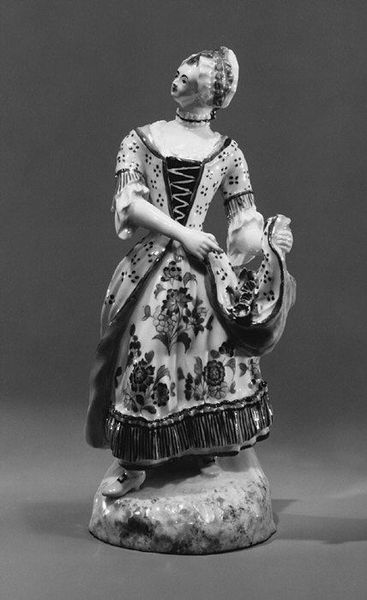
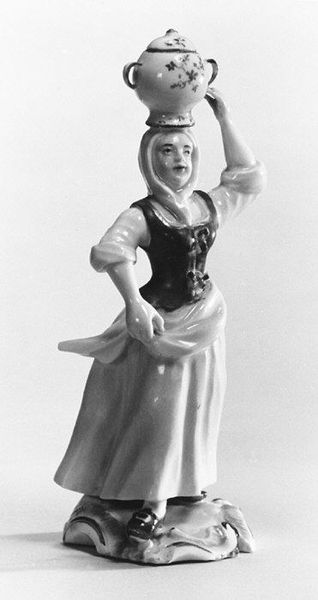
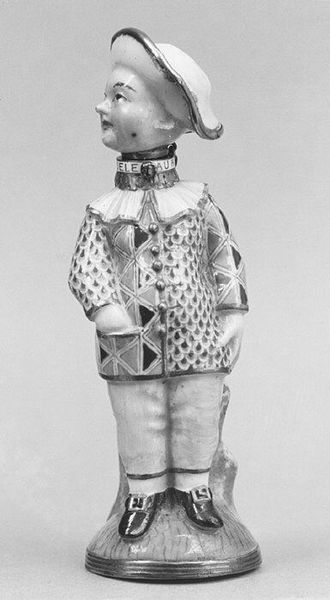
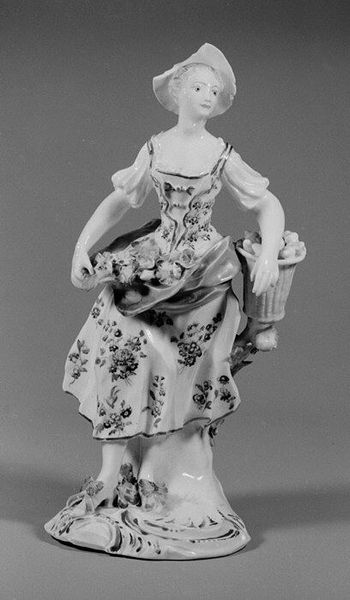
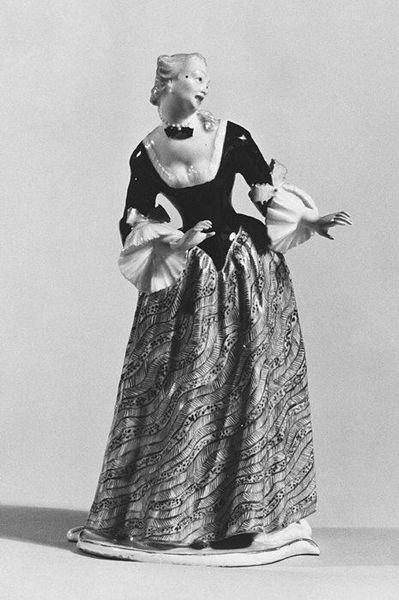
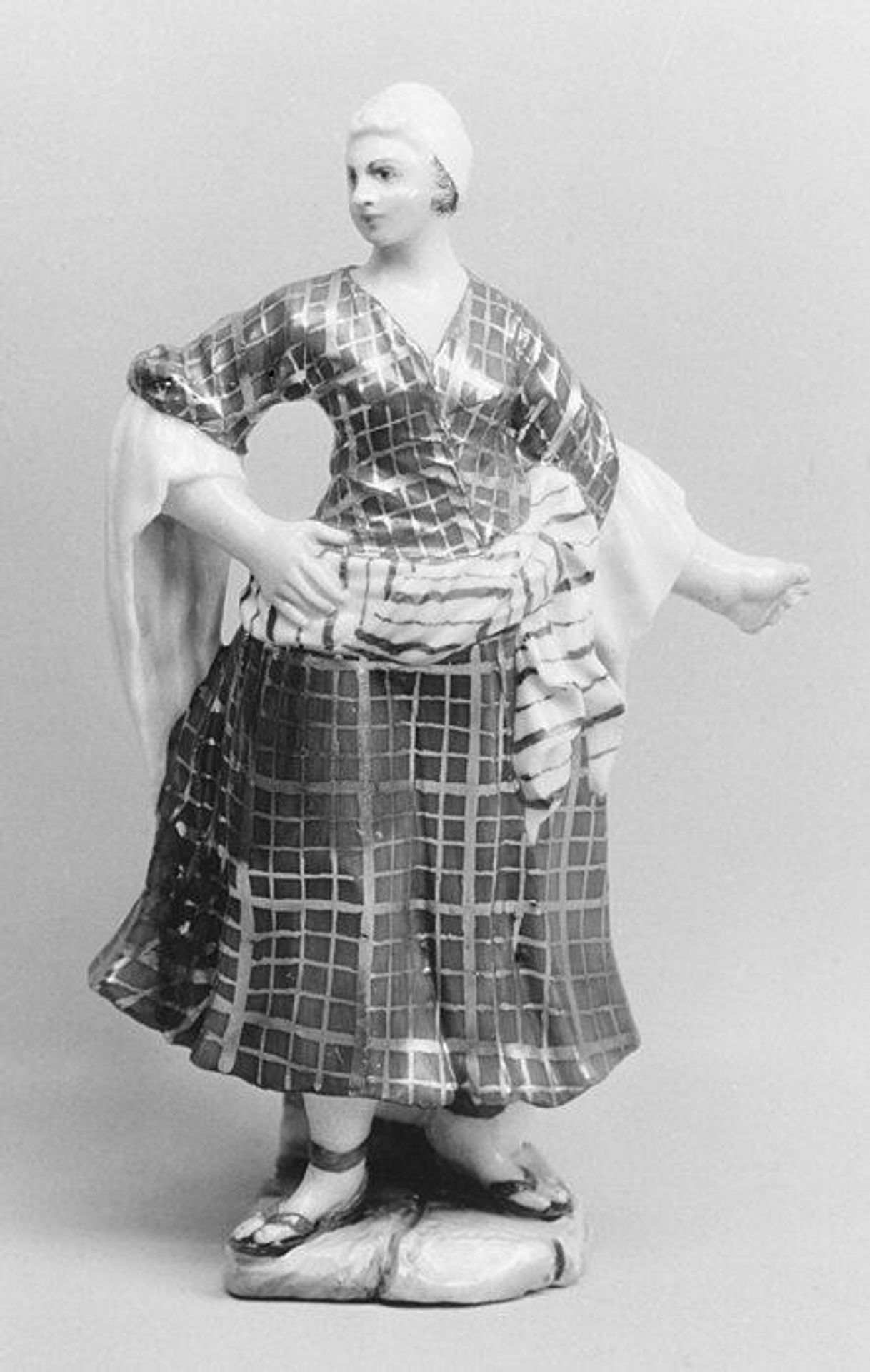
This small figure, titled "Eastern Woman," was made at the Doccia Porcelain Manufactory in the 18th or 19th century. The figure is made of porcelain, a smooth, white clay fired at high temperatures, and then painted. Porcelain, invented in China, was sought after in Europe, and its production involved considerable technical knowledge. The Doccia factory was one of the first to replicate the process in Italy, making this figure a testament to technological transfer and trade. The decoration of the figure is especially interesting. The figure is a comment on the global economy, which was based on both exploitation and desire. Porcelain, as a material, therefore bridges the aesthetic and the economic. It represents a confluence of artistic skill, industrial production, and global trade. The figure’s smooth, delicate surface belies the complex processes and labor involved in its creation, challenging any simple distinction between art and craft.
Eastern woman
1755 - 1775

Doccia Porcelain Manufactory
1737 - 1896
The Metropolitan Museum of Art
Metropolitan Museum of Art, New York, NYArtwork details
- Medium
- ceramic, porcelain, sculpture
- Dimensions
- Height: 5 1/2 in. (14 cm)
- Location
- Metropolitan Museum of Art, New York, NY
- Copyright
- Public Domain
Tags
Comments
Share your thoughts
About this artwork
This small figure, titled "Eastern Woman," was made at the Doccia Porcelain Manufactory in the 18th or 19th century. The figure is made of porcelain, a smooth, white clay fired at high temperatures, and then painted. Porcelain, invented in China, was sought after in Europe, and its production involved considerable technical knowledge. The Doccia factory was one of the first to replicate the process in Italy, making this figure a testament to technological transfer and trade. The decoration of the figure is especially interesting. The figure is a comment on the global economy, which was based on both exploitation and desire. Porcelain, as a material, therefore bridges the aesthetic and the economic. It represents a confluence of artistic skill, industrial production, and global trade. The figure’s smooth, delicate surface belies the complex processes and labor involved in its creation, challenging any simple distinction between art and craft.
Comments
Share your thoughts