About this artwork
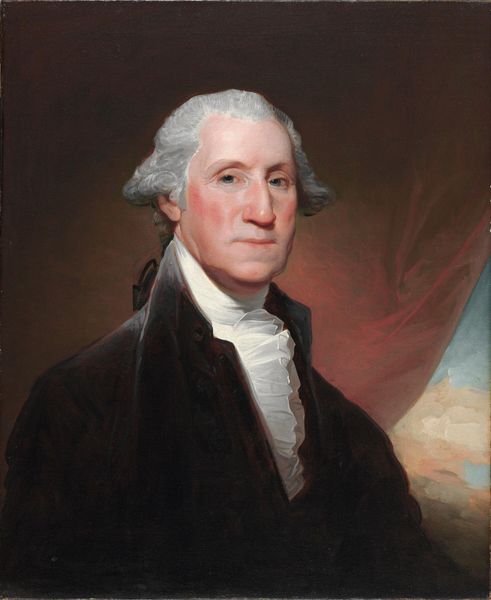
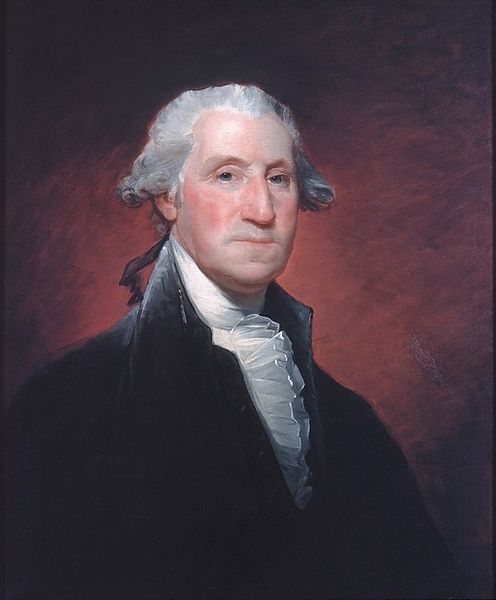
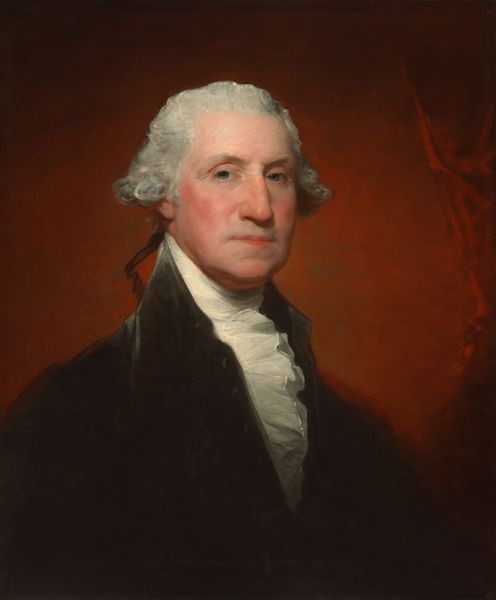
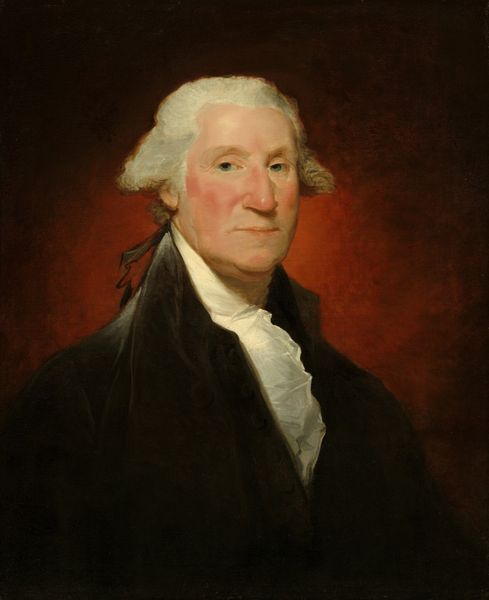
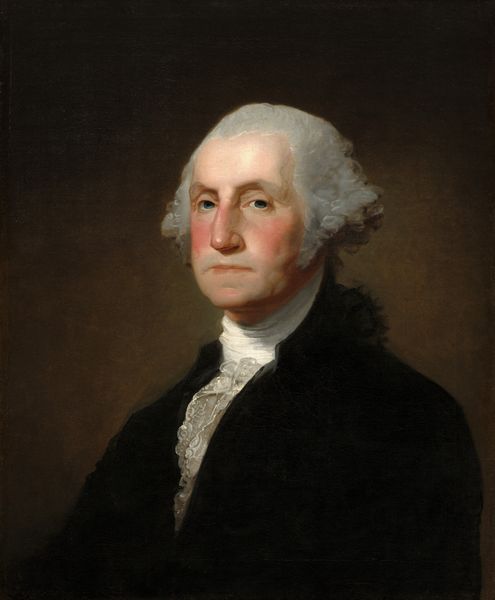
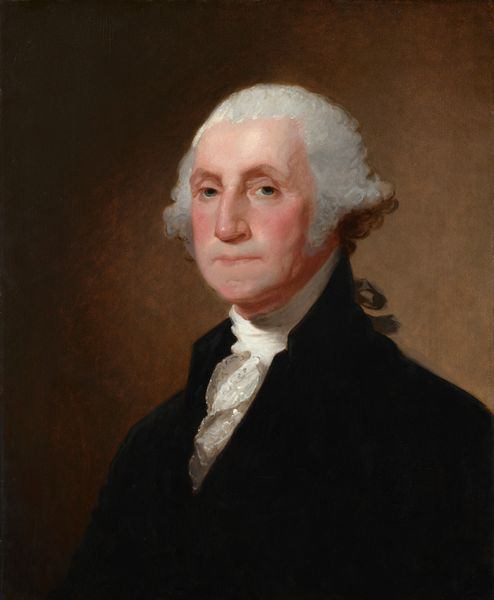
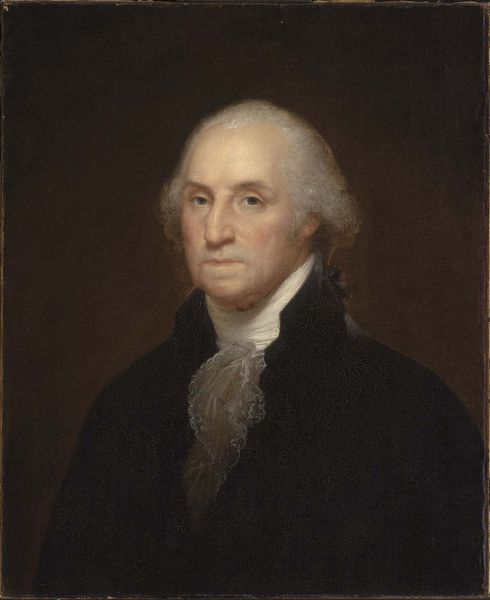
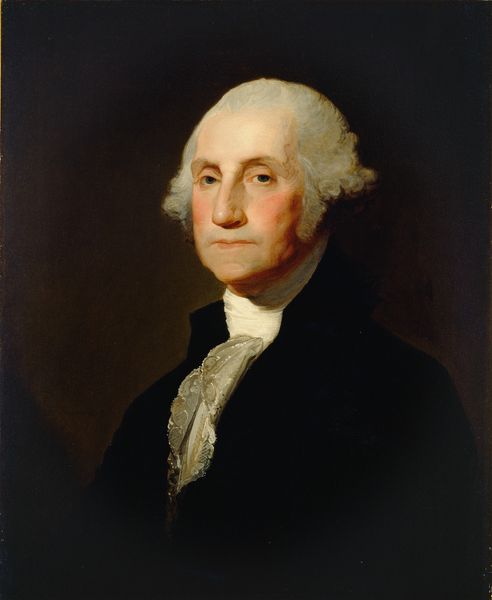
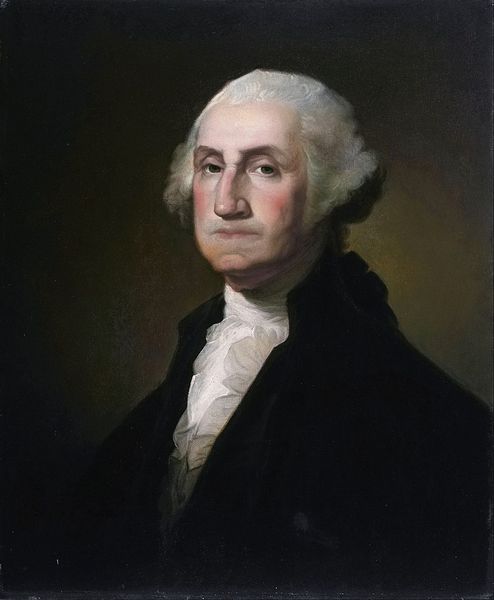
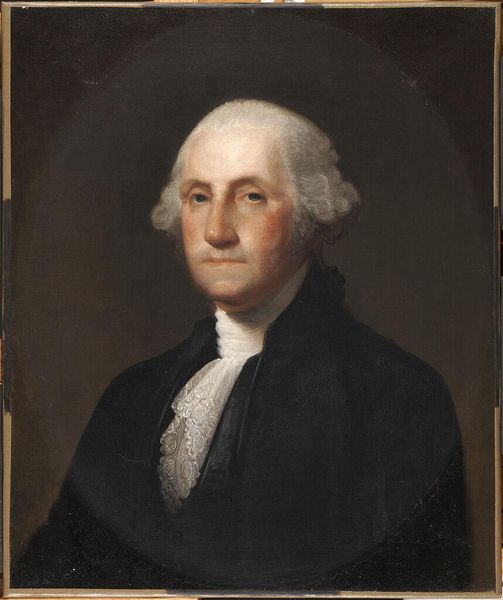
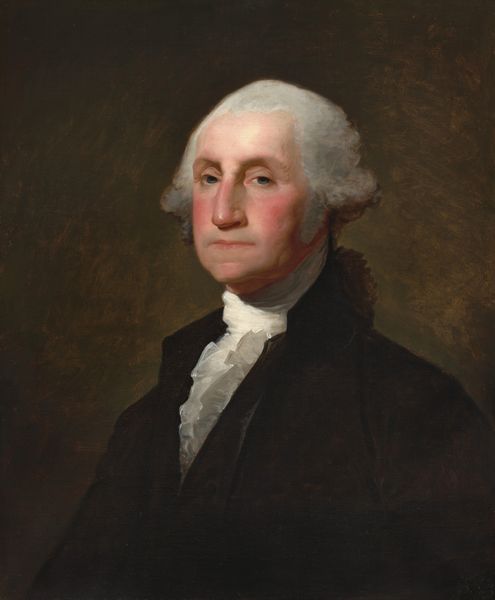
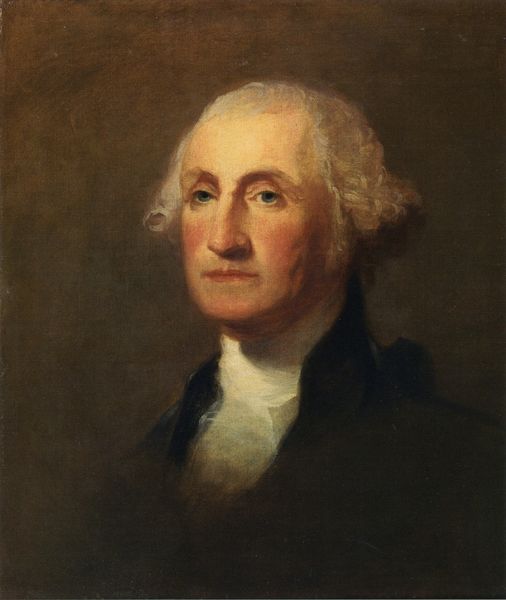
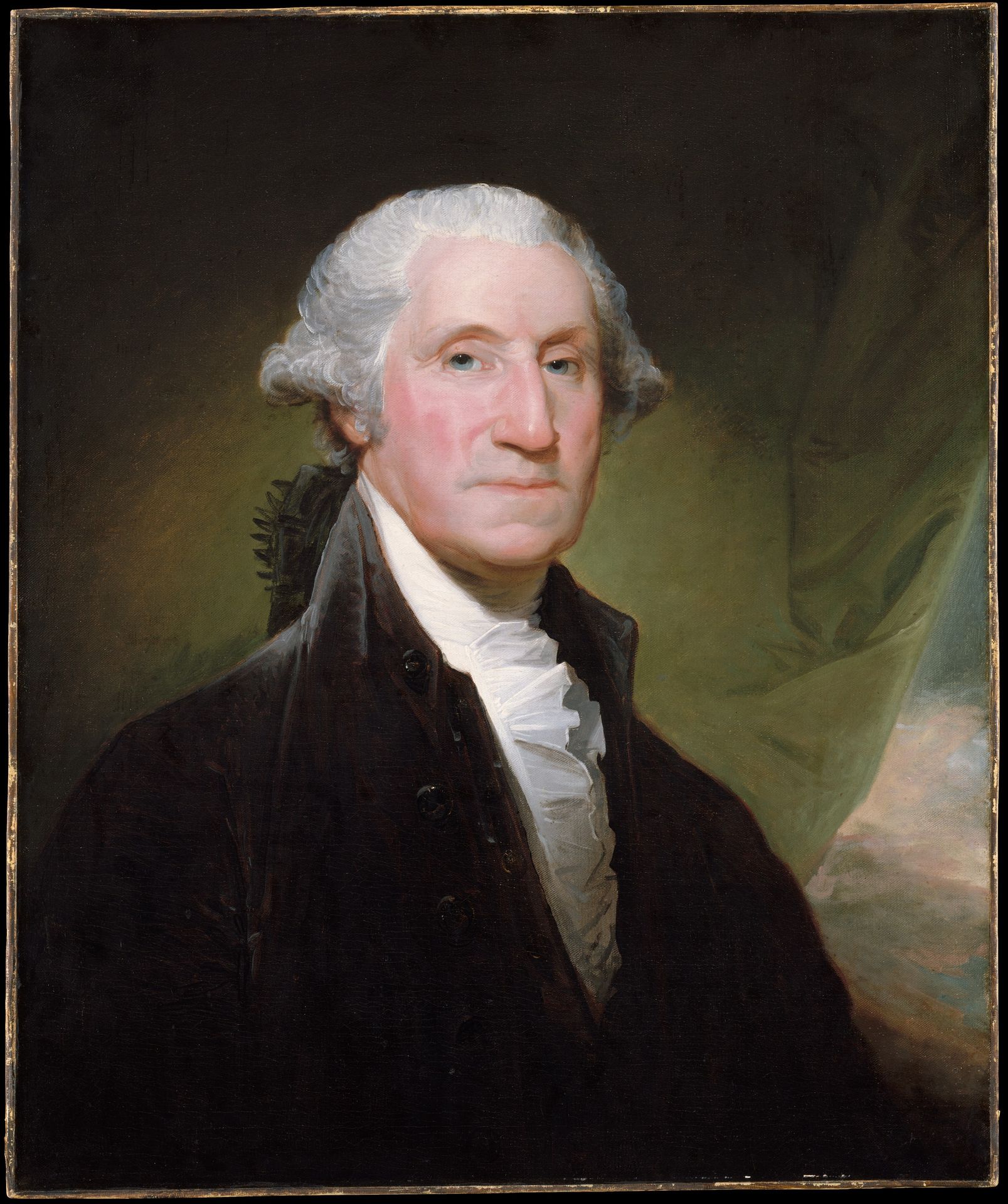
Gilbert Stuart captured this image of George Washington with oil on canvas. This portrait exists within a pivotal historical context, framing Washington at a time when the new nation was grappling with its identity and future. Stuart's depiction is more than a mere likeness; it's a strategic construction of power. It represents the complex intersections of race, class, and gender within the political sphere. Washington, a white, male landowner, embodies the values of the elite class that shaped the early republic. Yet, behind this carefully constructed image lies a more complex reality. Washington’s power and status were built on the exploitation and enslavement of African people, a reality that is conspicuously absent from this portrait. Consider this painting as a lens through which to examine the ongoing negotiation between historical narrative, individual identity, and collective memory.
George Washington
1795


Artwork details
- Medium
- painting, oil-paint
- Dimensions
- 30 1/4 x 25 1/4 in. (76.8 x 64.1 cm)
- Location
- Metropolitan Museum of Art, New York, NY
- Copyright
- Public Domain
Tags
Comments
Share your thoughts
About this artwork
Gilbert Stuart captured this image of George Washington with oil on canvas. This portrait exists within a pivotal historical context, framing Washington at a time when the new nation was grappling with its identity and future. Stuart's depiction is more than a mere likeness; it's a strategic construction of power. It represents the complex intersections of race, class, and gender within the political sphere. Washington, a white, male landowner, embodies the values of the elite class that shaped the early republic. Yet, behind this carefully constructed image lies a more complex reality. Washington’s power and status were built on the exploitation and enslavement of African people, a reality that is conspicuously absent from this portrait. Consider this painting as a lens through which to examine the ongoing negotiation between historical narrative, individual identity, and collective memory.
Comments
Share your thoughts