About this artwork
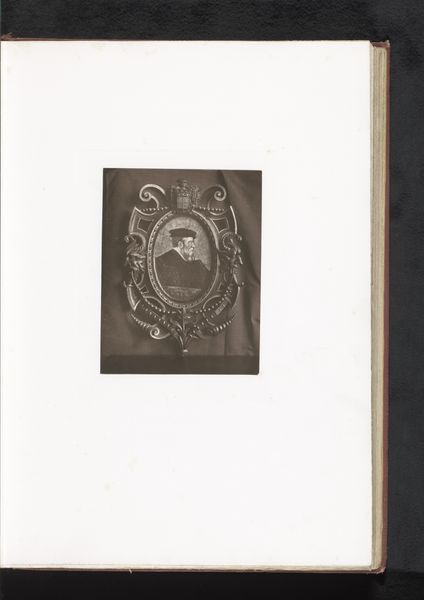
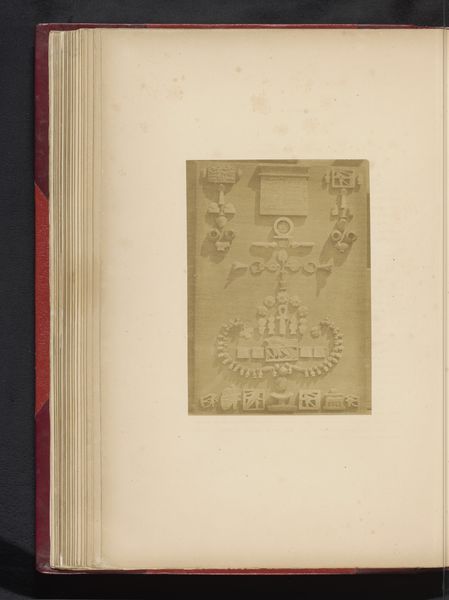
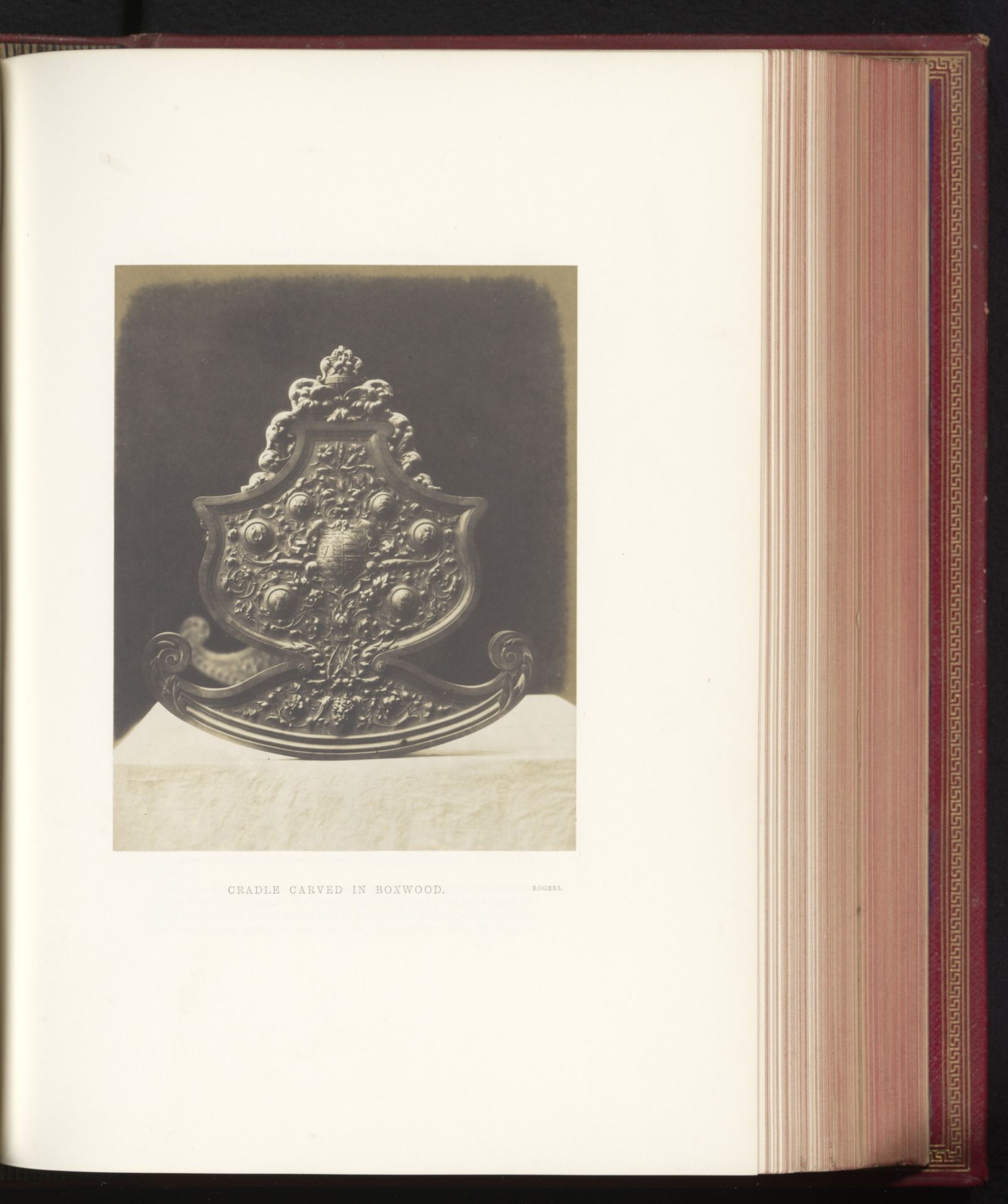
C.M. Ferrier and F. von Martens captured this photograph of William Gibbs Rogers' wooden cradle, displayed at London’s Great Exhibition of 1851. The image, though sepia-toned, showcases the elaborate detail of the carving. The cradle itself takes on a shield-like form, intricately adorned with floral and heraldic motifs. The composition plays with light and shadow, emphasizing the texture of the wood and the depth of the carving. This reflects a broader 19th-century interest in material culture, where objects were not just functional but also carriers of cultural meaning. The cradle, elevated to an art object, transcends its purpose. It becomes a symbol of status and craftsmanship. Notice how the formal presentation—photographed, displayed, documented—contributes to the cradle's transformation. It ceases to be merely a domestic item; it enters the realm of public spectacle, prompting us to consider the semiotics of display and the power of objects to communicate social values.
Houten wieg van William Gibbs Rogers tentoongesteld op de Great Exhibition of the Works of Industry of All Nations van 1851 in Londen
1851

Artwork details
- Medium
- print, photography
- Dimensions
- height 181 mm, width 144 mm
- Copyright
- Rijks Museum: Open Domain
Tags
Comments
Share your thoughts
About this artwork
C.M. Ferrier and F. von Martens captured this photograph of William Gibbs Rogers' wooden cradle, displayed at London’s Great Exhibition of 1851. The image, though sepia-toned, showcases the elaborate detail of the carving. The cradle itself takes on a shield-like form, intricately adorned with floral and heraldic motifs. The composition plays with light and shadow, emphasizing the texture of the wood and the depth of the carving. This reflects a broader 19th-century interest in material culture, where objects were not just functional but also carriers of cultural meaning. The cradle, elevated to an art object, transcends its purpose. It becomes a symbol of status and craftsmanship. Notice how the formal presentation—photographed, displayed, documented—contributes to the cradle's transformation. It ceases to be merely a domestic item; it enters the realm of public spectacle, prompting us to consider the semiotics of display and the power of objects to communicate social values.
Comments
Share your thoughts