About this artwork
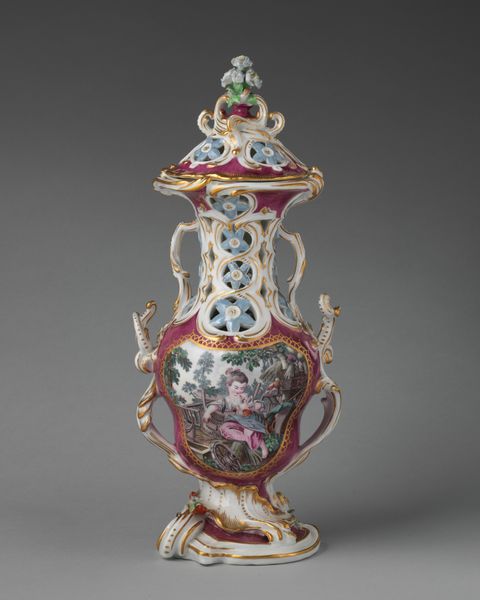
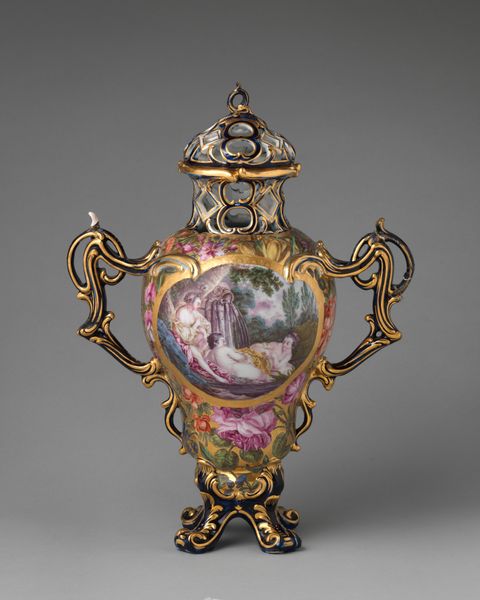
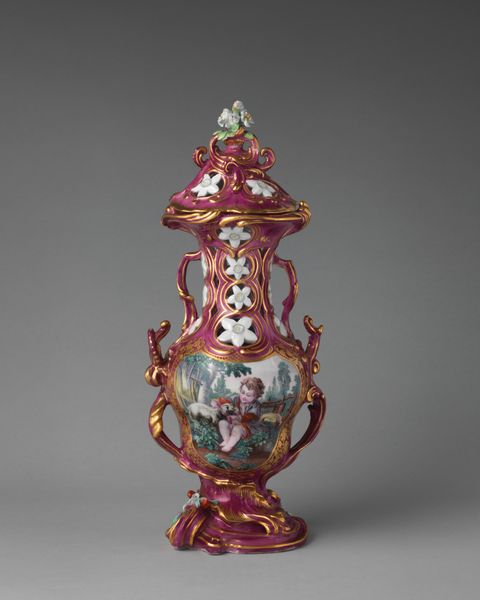
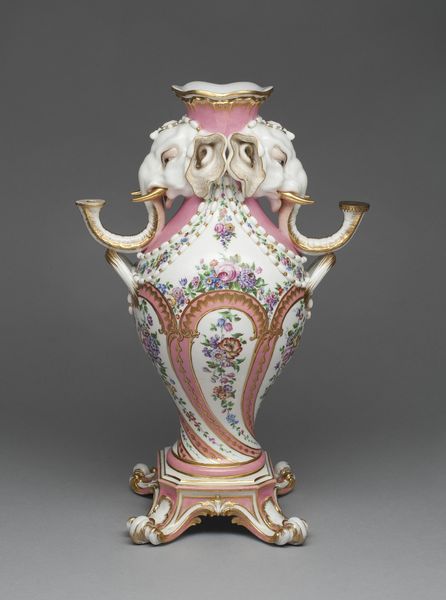
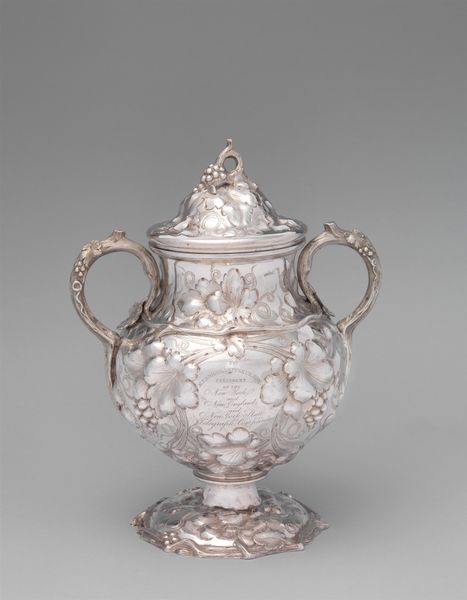
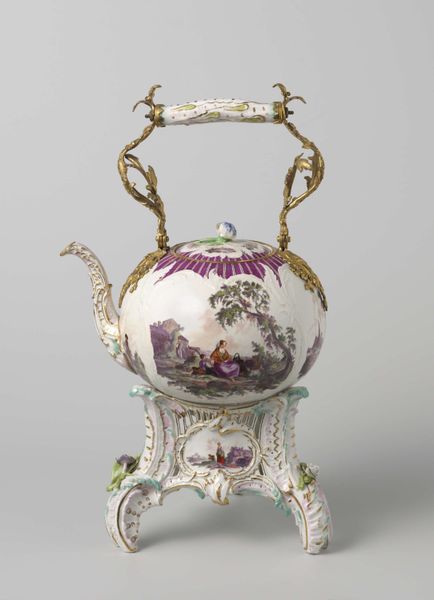
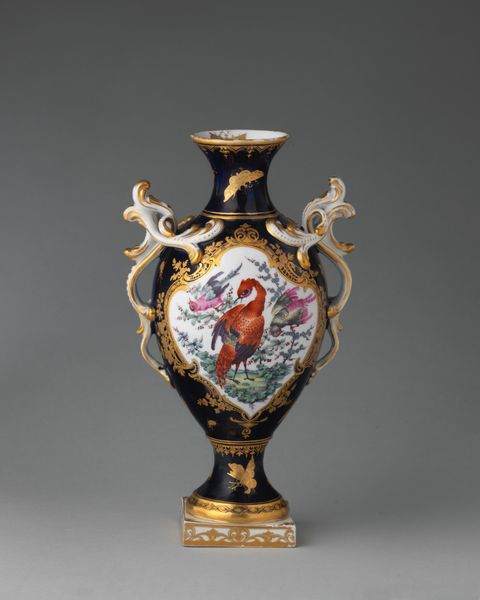
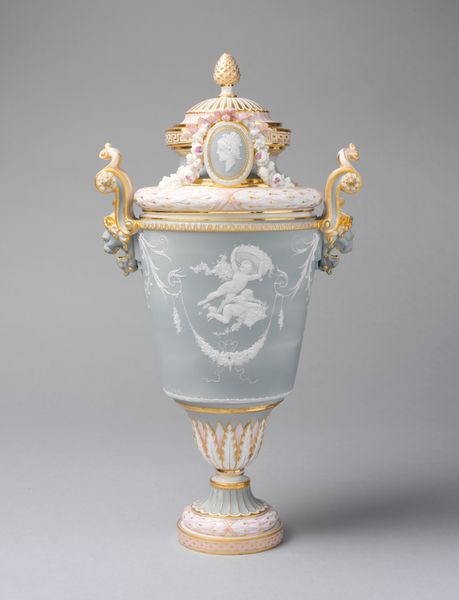
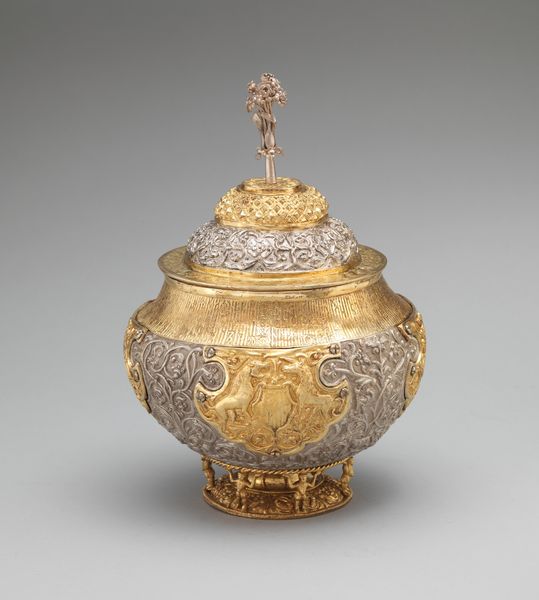
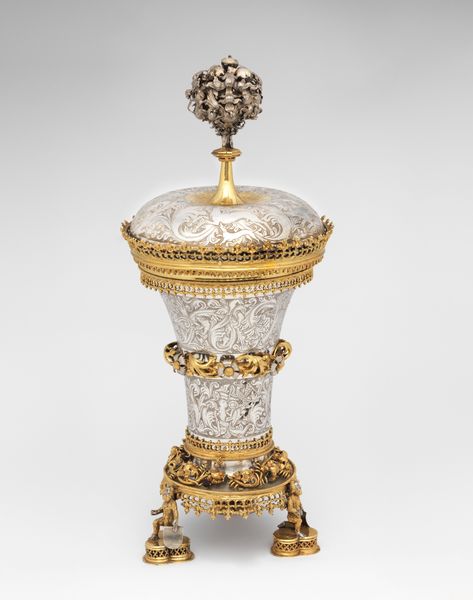
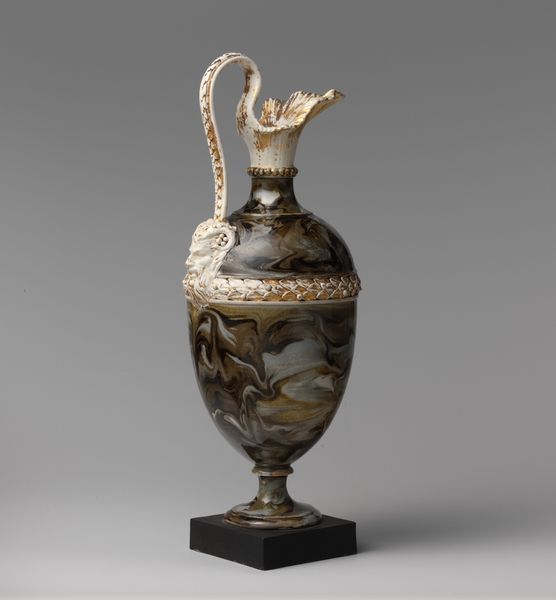
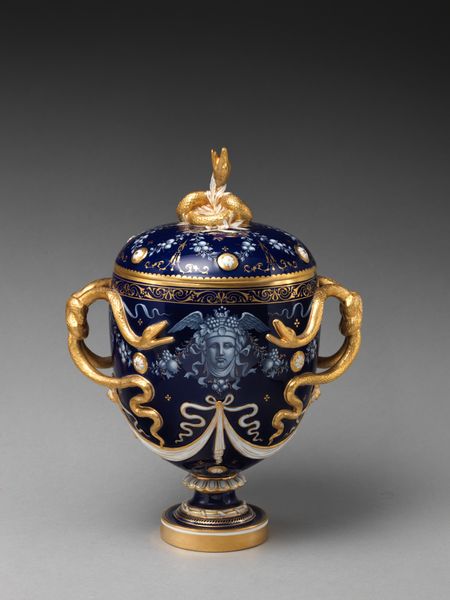
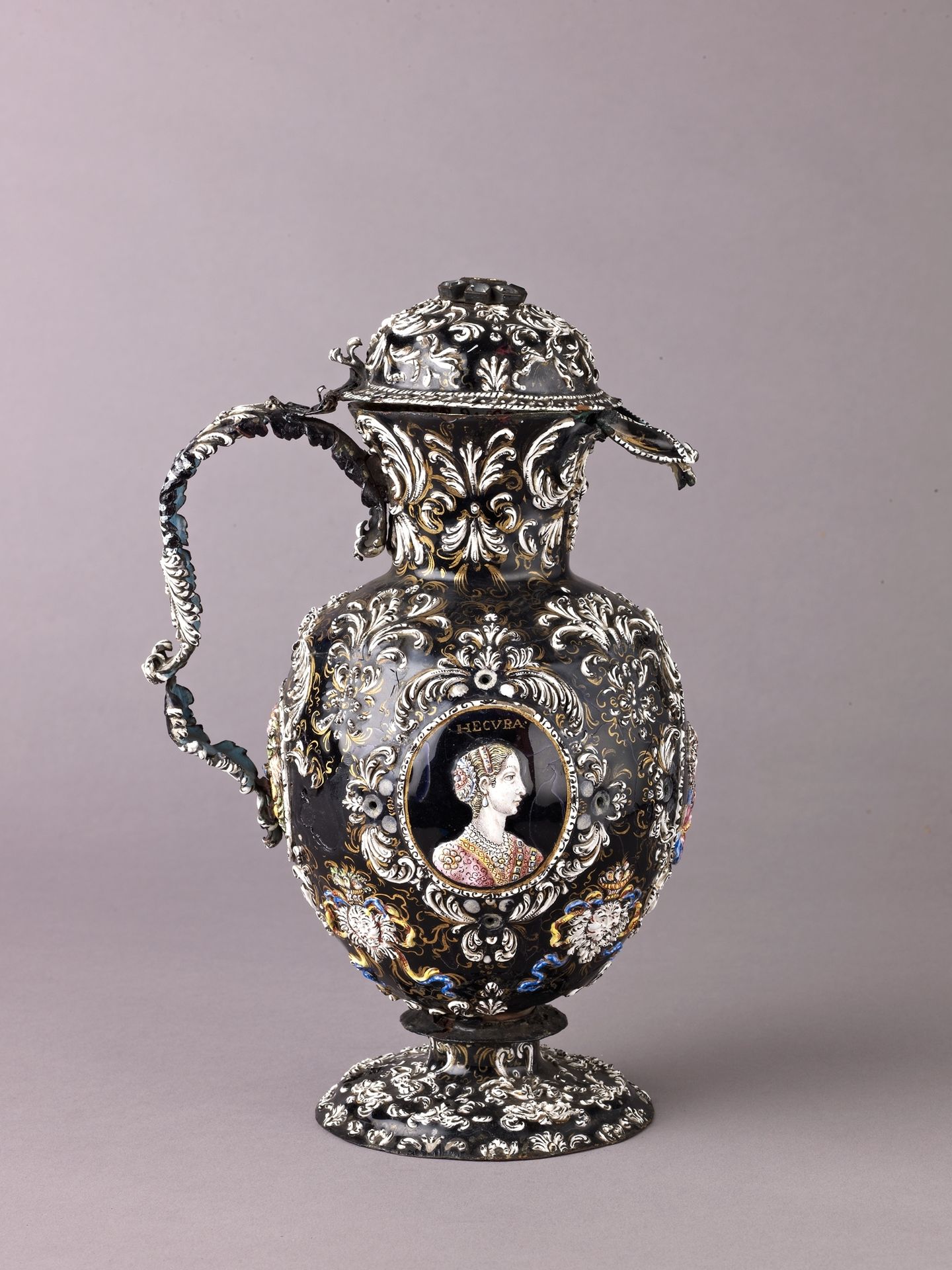
This Ewer was made by Jacques Nouailher in France during the 17th century, and it’s crafted primarily from enamel. This isn't just any enamel, though; it’s painted enamel, a technique that requires layering different colors and firing them at high temperatures to create a durable, glossy surface. Look closely, and you’ll notice the intricate details – floral patterns, scrollwork, and even miniature portraits. These elements are not simply painted on; they're the result of a meticulous process that could take weeks, if not months, to complete. Each layer of enamel has to be applied with precision. Now, consider the social context. Objects like this weren’t made for everyday use, they were luxury items intended for display, signifying wealth and status. The labor involved in producing such a piece was considerable. It speaks to the skilled traditions of the artisans. When we consider materials, making, and context, we begin to see that the distinction between decorative art and high art starts to fade.
Ewer
1667 - 1677


Artwork details
- Medium
- metal, ceramic, sculpture
- Dimensions
- H. with lid 24 cm, w. 14 cm, diam. 9.5 cm.
- Location
- Metropolitan Museum of Art, New York, NY
- Copyright
- Public Domain
Tags
Comments
Share your thoughts
About this artwork
This Ewer was made by Jacques Nouailher in France during the 17th century, and it’s crafted primarily from enamel. This isn't just any enamel, though; it’s painted enamel, a technique that requires layering different colors and firing them at high temperatures to create a durable, glossy surface. Look closely, and you’ll notice the intricate details – floral patterns, scrollwork, and even miniature portraits. These elements are not simply painted on; they're the result of a meticulous process that could take weeks, if not months, to complete. Each layer of enamel has to be applied with precision. Now, consider the social context. Objects like this weren’t made for everyday use, they were luxury items intended for display, signifying wealth and status. The labor involved in producing such a piece was considerable. It speaks to the skilled traditions of the artisans. When we consider materials, making, and context, we begin to see that the distinction between decorative art and high art starts to fade.
Comments
Share your thoughts