About this artwork
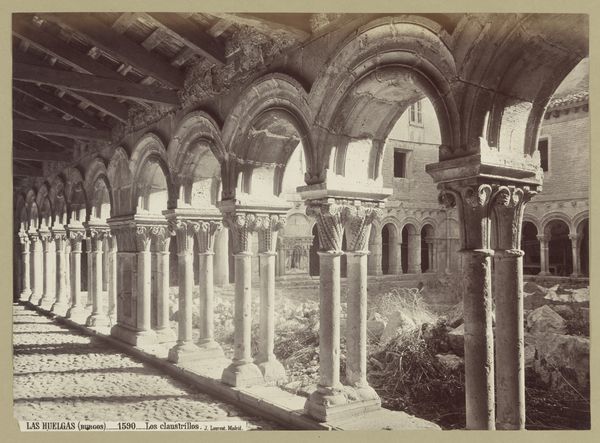
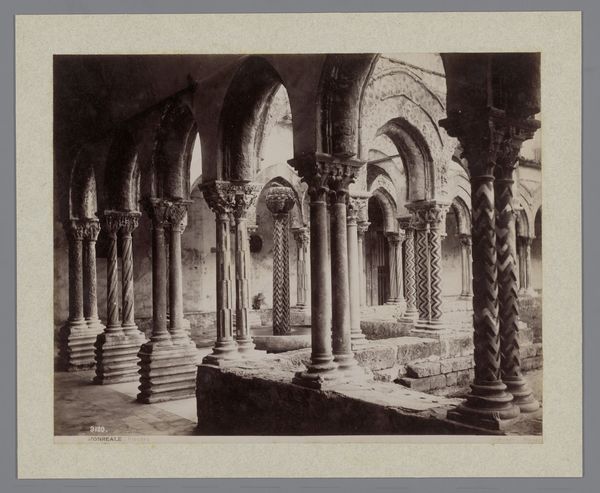
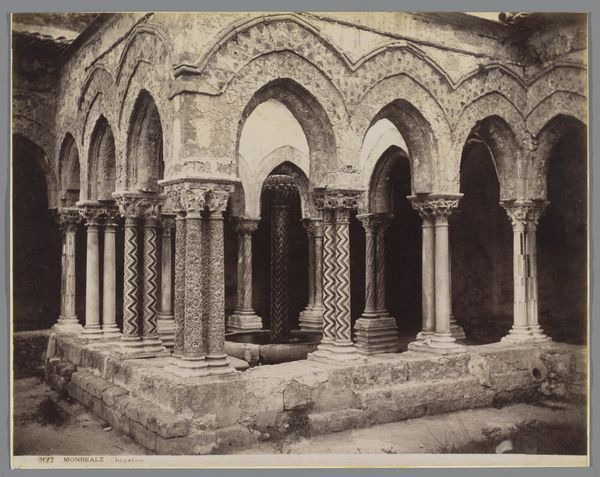
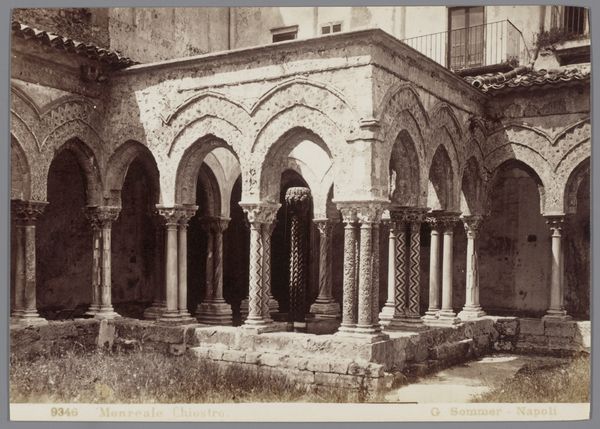
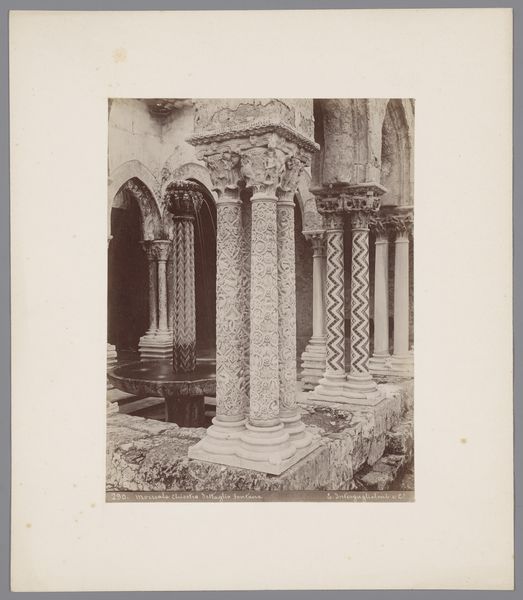
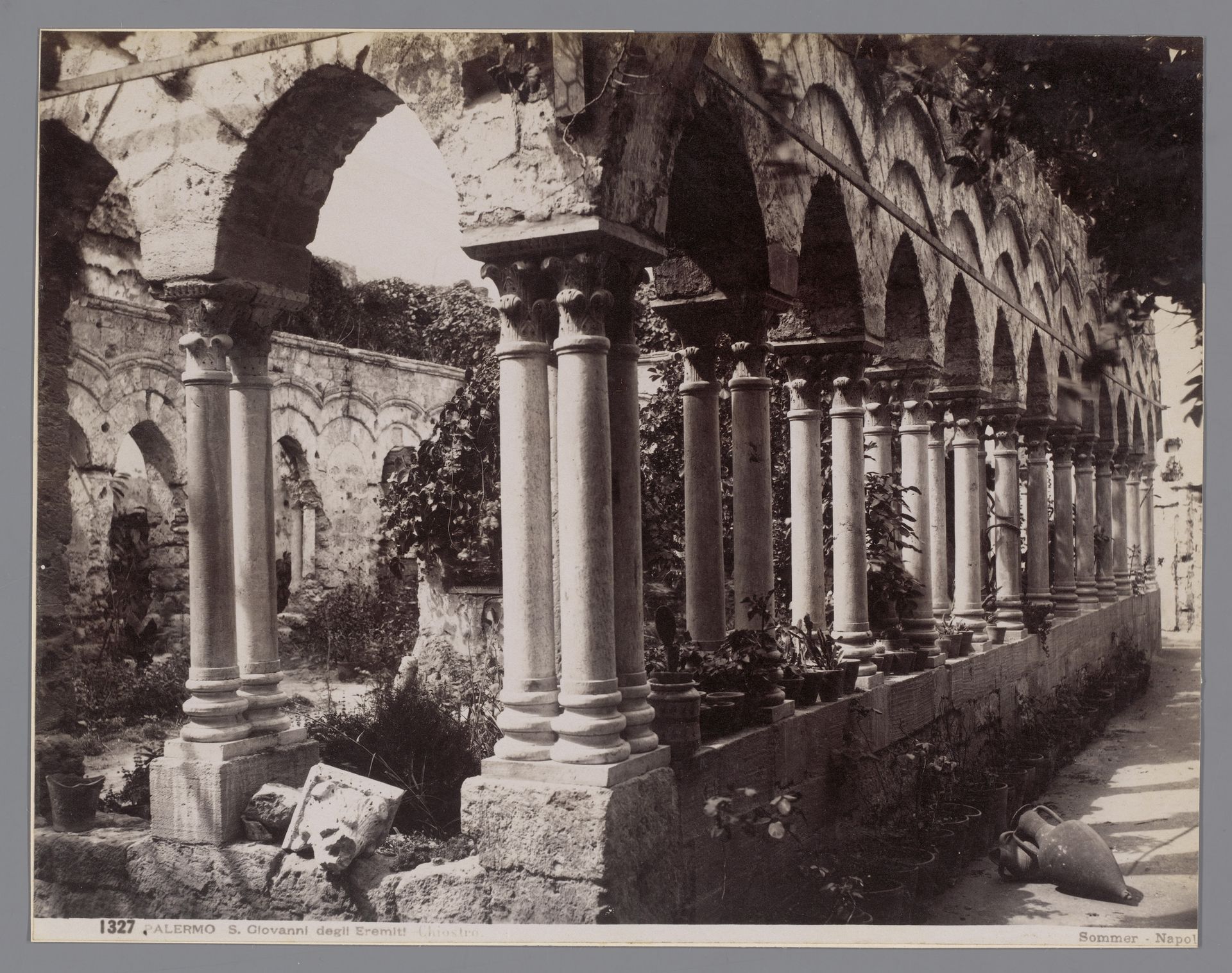
Giorgio Sommer captured this image of the cloister of Saint John of the Hermits in Palermo at an unknown date. Sommer, a German photographer based in Italy, catered to European travelers eager to consume romantic visions of the Italian landscape and its architecture. This image, like many of Sommer's works, invites us to consider the complex relationship between the photographer, his subject, and the tourist gaze. The architecture signifies a layered history of cultural exchange, once a mosque, then transformed into a Christian place of worship. Sommer’s photograph flattens this rich history into a picturesque scene, devoid of social context. Consider how the absence of people amplifies a sense of timelessness, turning a blind eye to contemporary realities in favor of an idealized past. The decaying structure and the remnants of classical forms evoke a sense of melancholic beauty, but at what cost? The commodification of culture for tourism often overlooks the lived experiences of the local population.
Kloostergang van de Sint-Jan de kluizenaar te Palermo 1857 - 1914

Giorgio Sommer
1834 - 1914Location
RijksmuseumArtwork details
- Medium
- print, photography
- Dimensions
- height 192 mm, width 250 mm, height 197 mm, width 251 mm
- Location
- Rijksmuseum
- Copyright
- Rijks Museum: Open Domain
Tags
sculpture
landscape
photography
ancient-mediterranean
cityscape
Comments
No comments
About this artwork
Giorgio Sommer captured this image of the cloister of Saint John of the Hermits in Palermo at an unknown date. Sommer, a German photographer based in Italy, catered to European travelers eager to consume romantic visions of the Italian landscape and its architecture. This image, like many of Sommer's works, invites us to consider the complex relationship between the photographer, his subject, and the tourist gaze. The architecture signifies a layered history of cultural exchange, once a mosque, then transformed into a Christian place of worship. Sommer’s photograph flattens this rich history into a picturesque scene, devoid of social context. Consider how the absence of people amplifies a sense of timelessness, turning a blind eye to contemporary realities in favor of an idealized past. The decaying structure and the remnants of classical forms evoke a sense of melancholic beauty, but at what cost? The commodification of culture for tourism often overlooks the lived experiences of the local population.
Comments
No comments