About this artwork
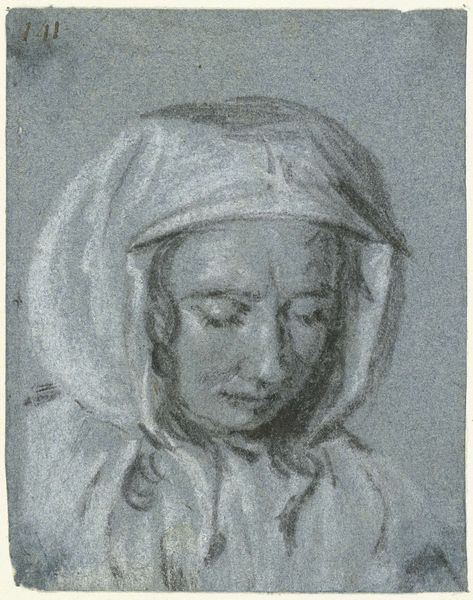
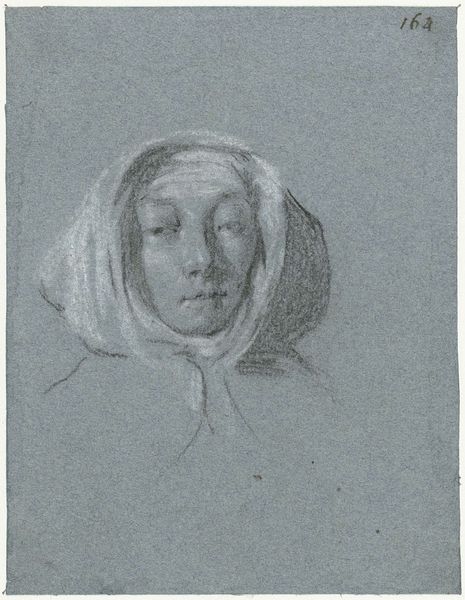
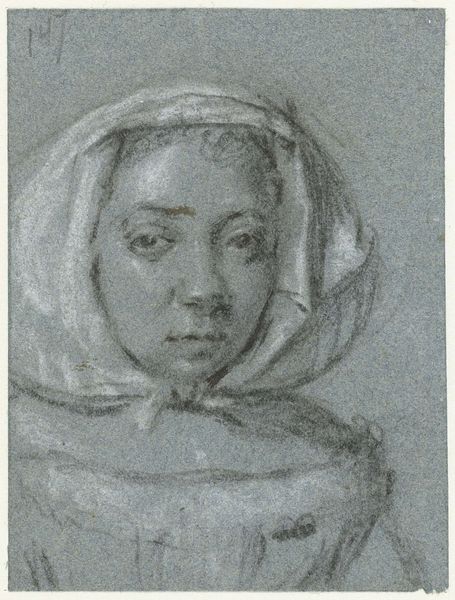
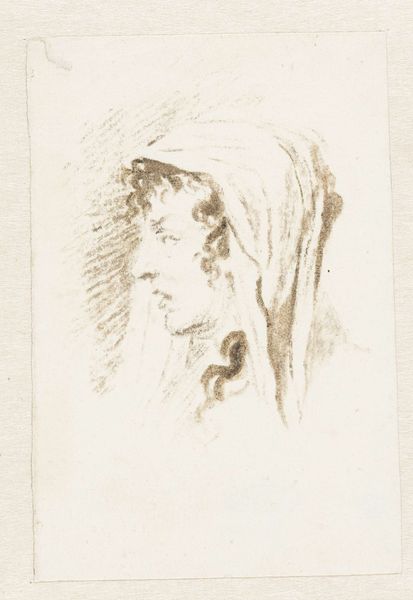
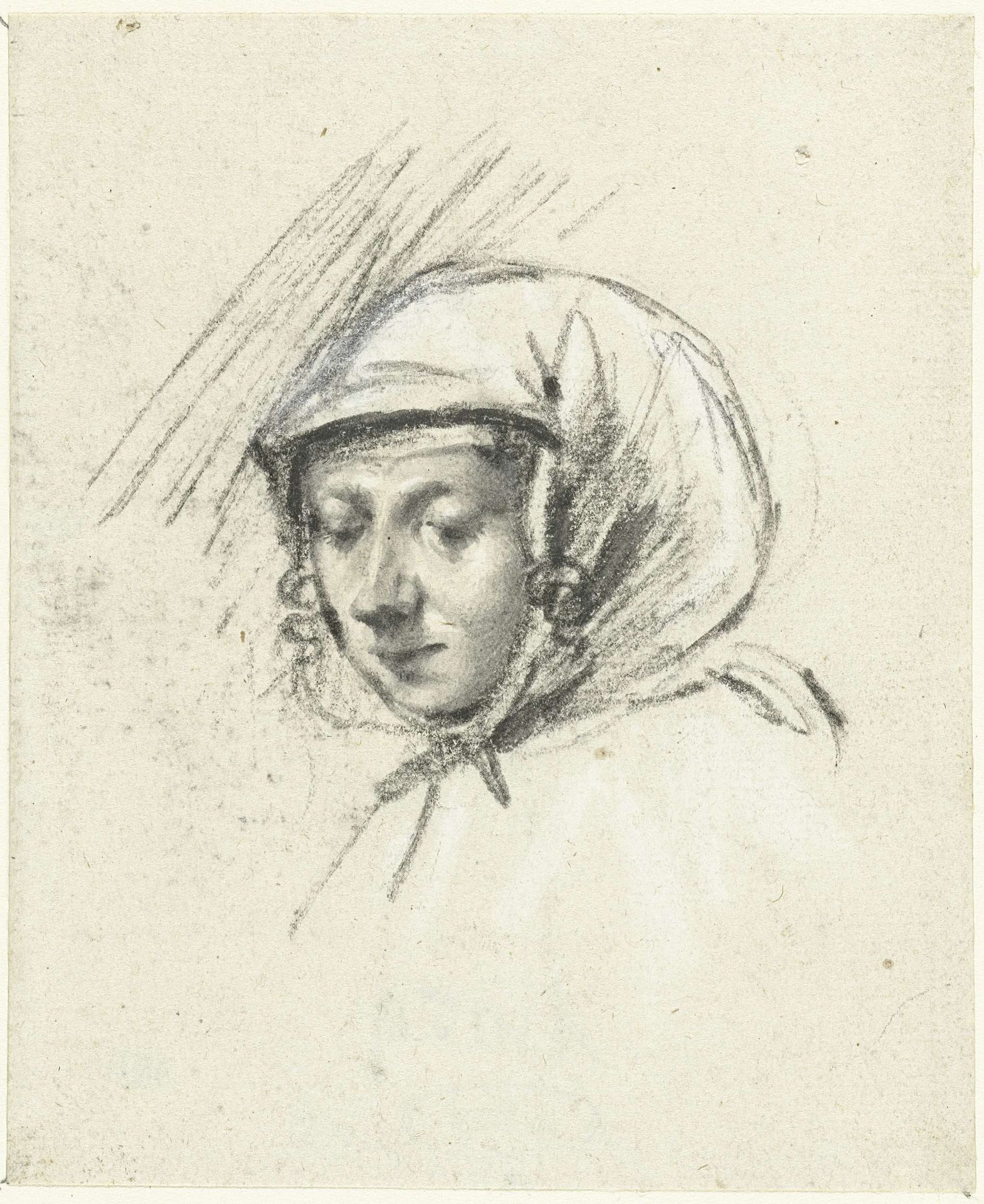
Moses ter Borch created this sketch of a woman's head with charcoal on paper sometime in the mid-17th century. In the Dutch Republic at this time, the visual arts were becoming increasingly democratized as the merchant class rose to prominence as art patrons. The institutions of art were also in flux, with the rise of art markets and entrepreneurial artists. Ter Borch, who died at only 22 years of age, was one of many artists capturing scenes of everyday life. What might it have meant in 17th century Netherlands to create an image of a common woman, and what might be the politics of depicting her with a headscarf? Did the artist use her image to challenge or uphold social norms? To answer these questions, a social historian might research the fashion of head coverings in Dutch society, and also examine period literature to see how ordinary women were represented.
Hoofd van een vrouw met een hoofddoek, naar links c. 1660

Moses ter Borch
1645 - 1667Location
RijksmuseumArtwork details
- Medium
- drawing, pencil
- Dimensions
- height 111 mm, width 93 mm
- Location
- Rijksmuseum
- Copyright
- Rijks Museum: Open Domain
Tags
portrait
drawing
dutch-golden-age
figuration
pencil drawing
pencil
portrait drawing
realism
Comments
No comments
About this artwork
Moses ter Borch created this sketch of a woman's head with charcoal on paper sometime in the mid-17th century. In the Dutch Republic at this time, the visual arts were becoming increasingly democratized as the merchant class rose to prominence as art patrons. The institutions of art were also in flux, with the rise of art markets and entrepreneurial artists. Ter Borch, who died at only 22 years of age, was one of many artists capturing scenes of everyday life. What might it have meant in 17th century Netherlands to create an image of a common woman, and what might be the politics of depicting her with a headscarf? Did the artist use her image to challenge or uphold social norms? To answer these questions, a social historian might research the fashion of head coverings in Dutch society, and also examine period literature to see how ordinary women were represented.
Comments
No comments