About this artwork
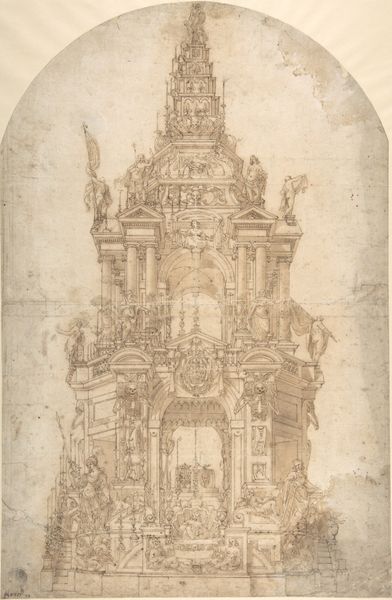
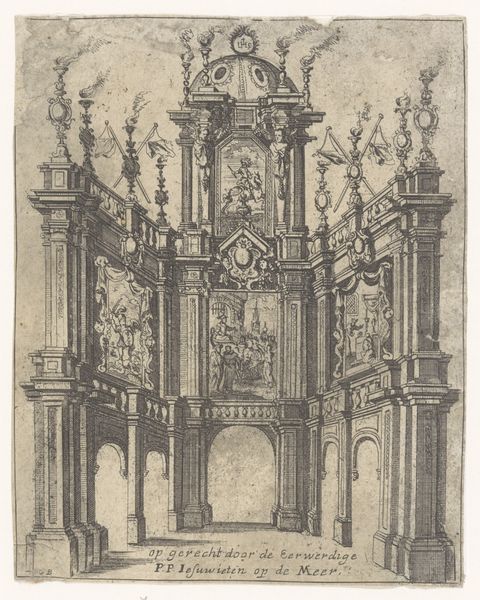
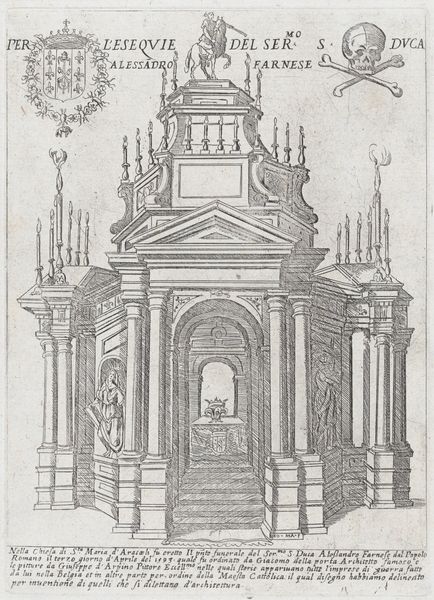
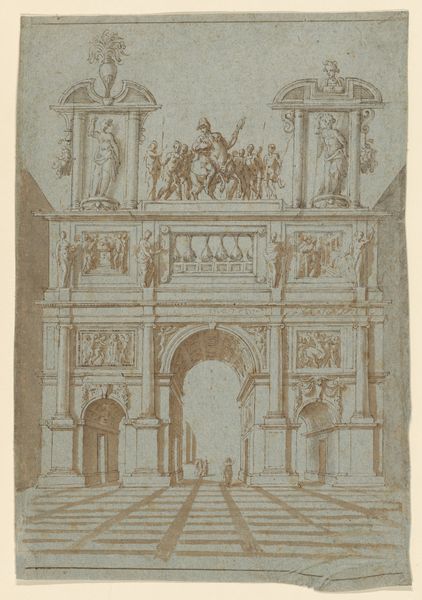
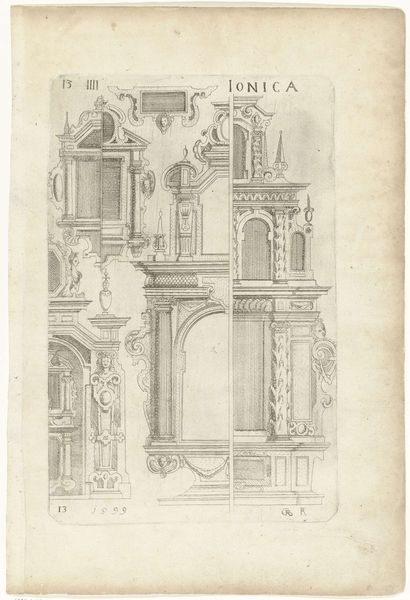
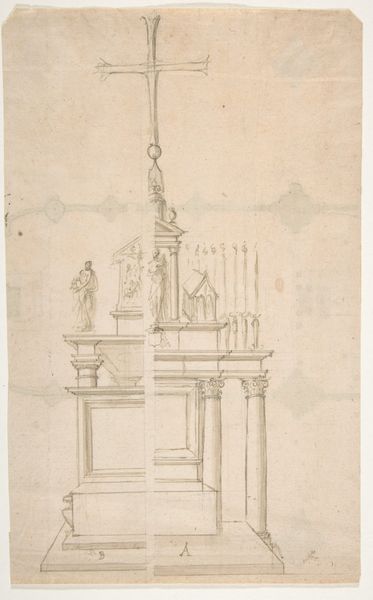
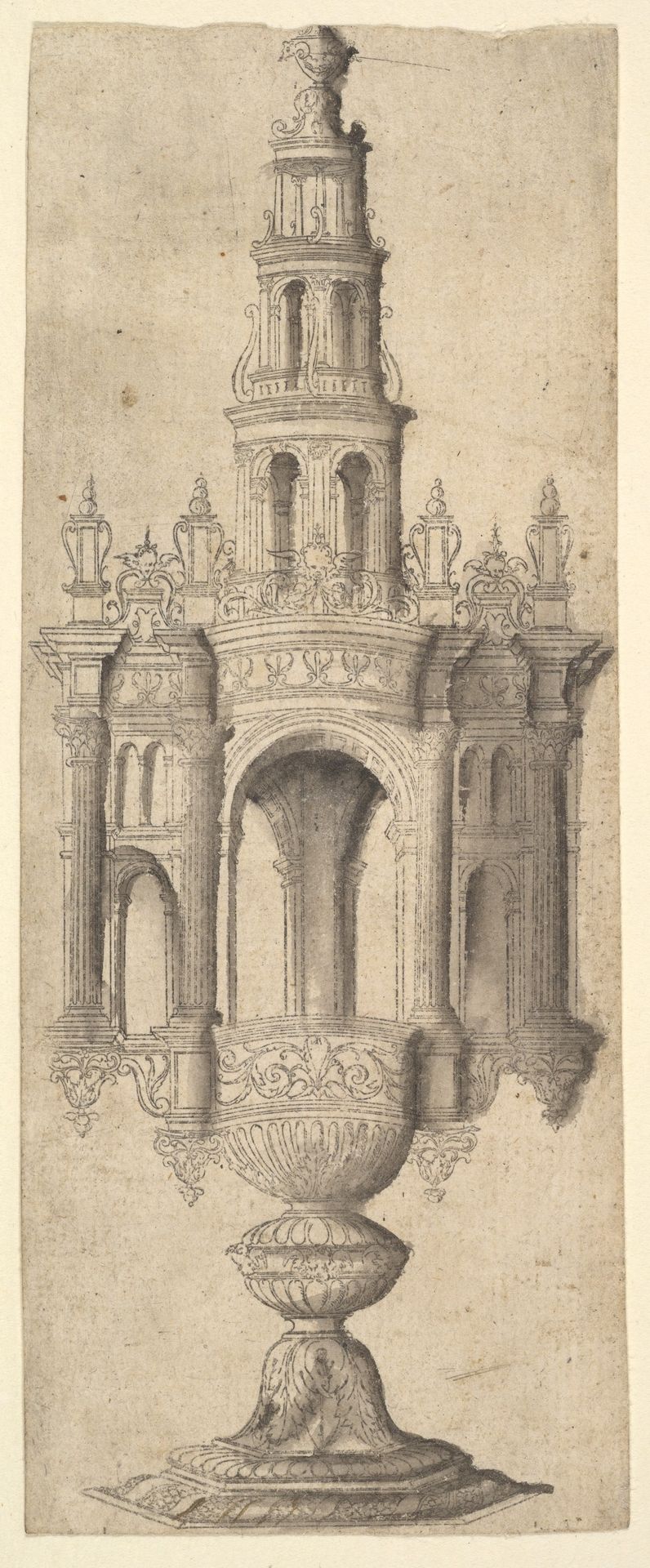
This intricately detailed drawing, "An Architectural Monstrance," of unknown origin, captures a striking, vertically-oriented composition. Rendered in delicate lines, the architectural structure melds the sacred with the structural, challenging our perception of space. The monstrance, traditionally a vessel for displaying the Eucharistic host, is reimagined here. The anonymous artist employs a top-heavy design. The structure destabilizes established architectural values, and introduces new ways of thinking about perception. The detailed articulation of architectural elements suggests an engagement with the semiotic system of signs. Consider how the drawing invites reflection on the function of religious objects. It also challenges us to re-evaluate our relationship with sacred spaces and the meanings they convey. The drawing is more than just an aesthetic piece; it’s a cultural and philosophical discourse, inviting ongoing interpretation.
An Architectural Monstrance 1520 - 1550


Artwork details
- Medium
- drawing, print, pencil, architecture
- Dimensions
- Sheet (trimmed): 6 11/16 × 2 11/16 in. (17 × 6.8 cm)
- Location
- Metropolitan Museum of Art, New York, NY
- Copyright
- Public Domain
Tags
drawing
geometric
pencil
italian-renaissance
architecture
Comments
No comments
About this artwork
This intricately detailed drawing, "An Architectural Monstrance," of unknown origin, captures a striking, vertically-oriented composition. Rendered in delicate lines, the architectural structure melds the sacred with the structural, challenging our perception of space. The monstrance, traditionally a vessel for displaying the Eucharistic host, is reimagined here. The anonymous artist employs a top-heavy design. The structure destabilizes established architectural values, and introduces new ways of thinking about perception. The detailed articulation of architectural elements suggests an engagement with the semiotic system of signs. Consider how the drawing invites reflection on the function of religious objects. It also challenges us to re-evaluate our relationship with sacred spaces and the meanings they convey. The drawing is more than just an aesthetic piece; it’s a cultural and philosophical discourse, inviting ongoing interpretation.
Comments
No comments