About this artwork
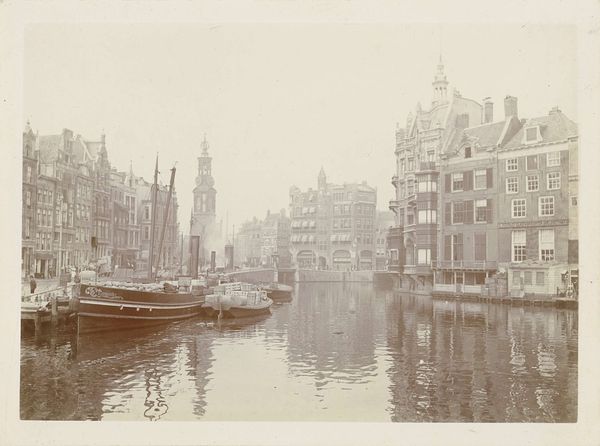
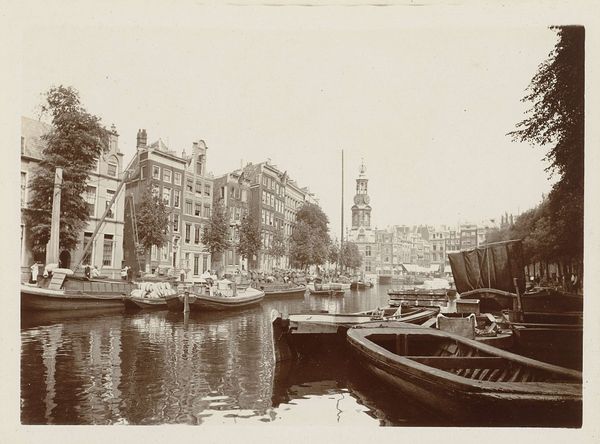
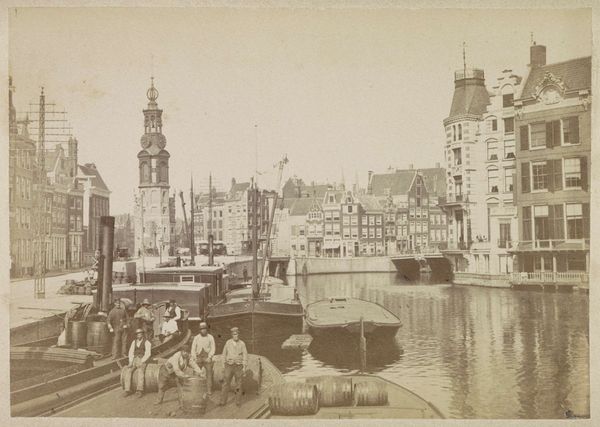
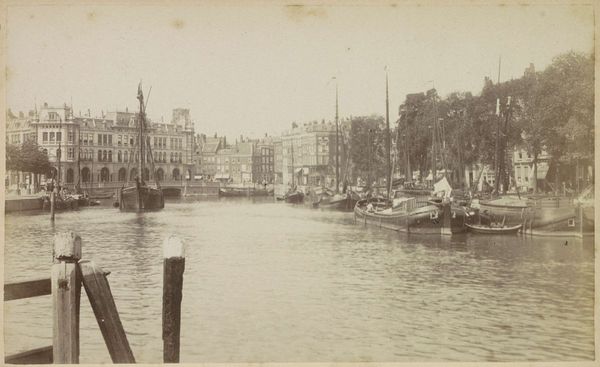
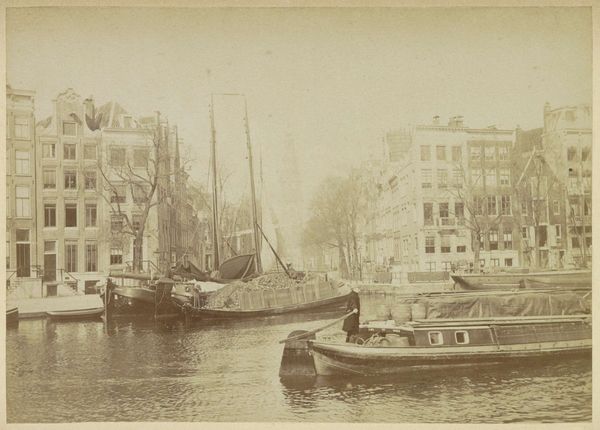
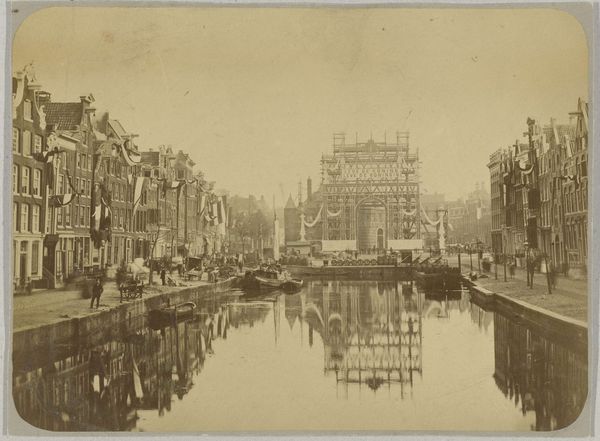
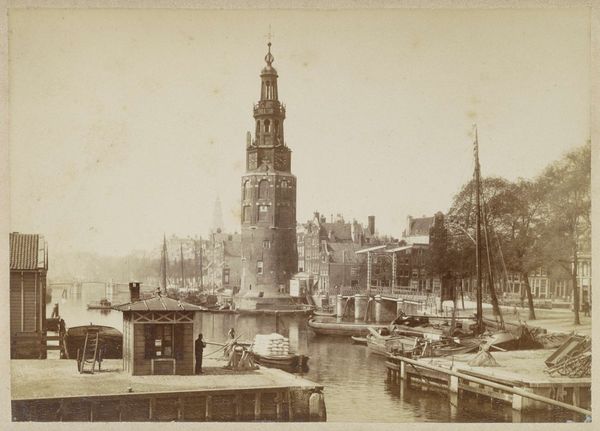
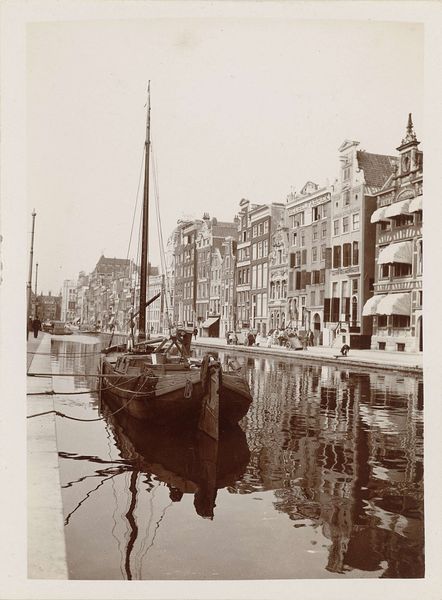
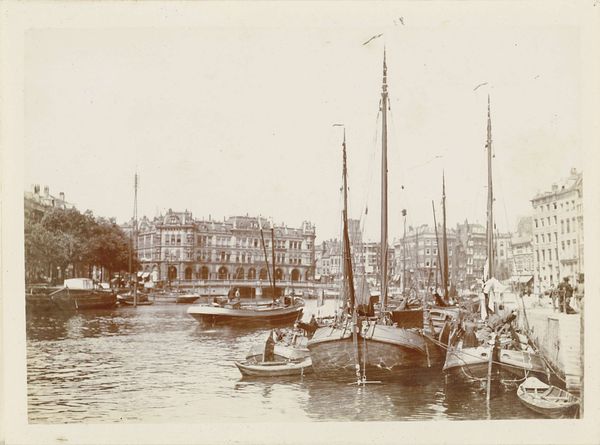
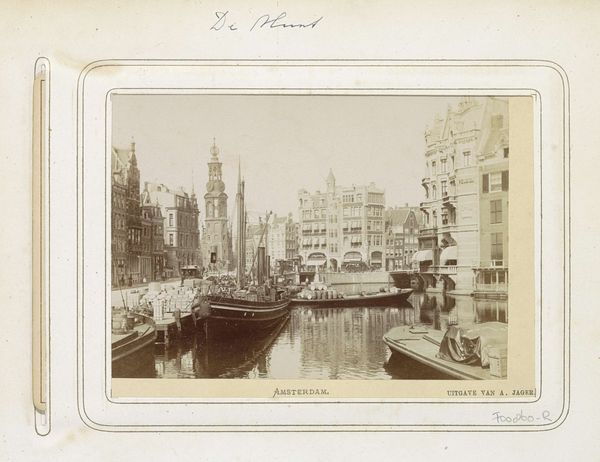
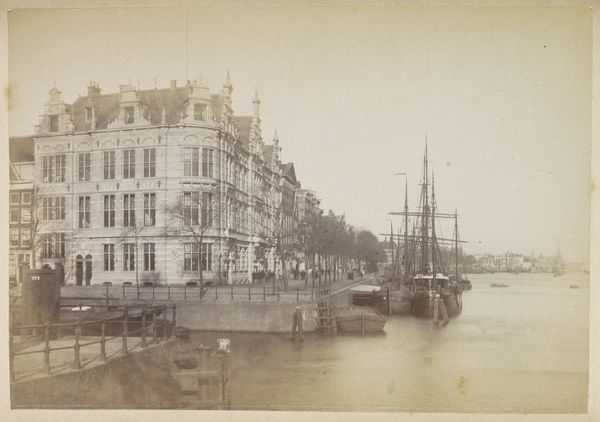
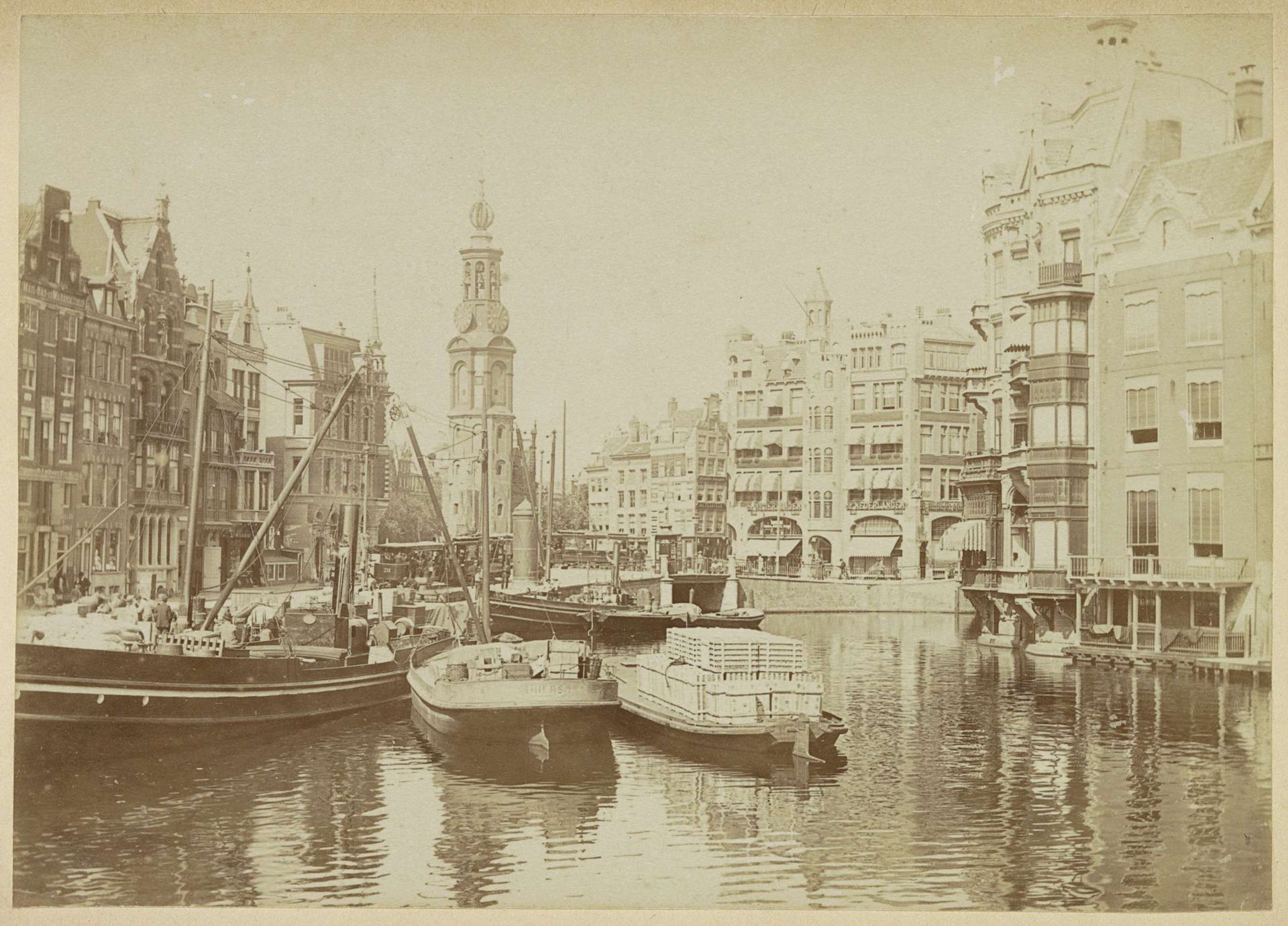
Andries Jager made this photograph of the Binnen-Amstel in Amsterdam sometime in the 19th century, using a process that renders the world in a range of warm sepias. The effect almost makes you feel like you're looking at a memory. There's a stillness to the image, a quietness that belies the activity one imagines was really there. The details are remarkable – the rigging of the ships, the brickwork of the buildings, all caught in this amber light. Look closely at the surface of the water. See how the reflections of the buildings and boats create a kind of double image, a world both real and imagined? It’s this play of light and shadow that I find so captivating, the way the physical world transforms into something ethereal. It makes me think of Atget, another artist who documented the changing face of a city. Art is a conversation, right? It’s about seeing what others have seen, and then seeing it differently.
Gezicht op de Binnen-Amstel richting de Munttoren
before 1907

Andries Jager
1825 - 1905Location
RijksmuseumArtwork details
- Medium
- photography
- Dimensions
- height 95 mm, width 133 mm
- Location
- Rijksmuseum
- Copyright
- Rijks Museum: Open Domain
Tags
Comments
Share your thoughts
About this artwork
Andries Jager made this photograph of the Binnen-Amstel in Amsterdam sometime in the 19th century, using a process that renders the world in a range of warm sepias. The effect almost makes you feel like you're looking at a memory. There's a stillness to the image, a quietness that belies the activity one imagines was really there. The details are remarkable – the rigging of the ships, the brickwork of the buildings, all caught in this amber light. Look closely at the surface of the water. See how the reflections of the buildings and boats create a kind of double image, a world both real and imagined? It’s this play of light and shadow that I find so captivating, the way the physical world transforms into something ethereal. It makes me think of Atget, another artist who documented the changing face of a city. Art is a conversation, right? It’s about seeing what others have seen, and then seeing it differently.
Comments
Share your thoughts