About this artwork
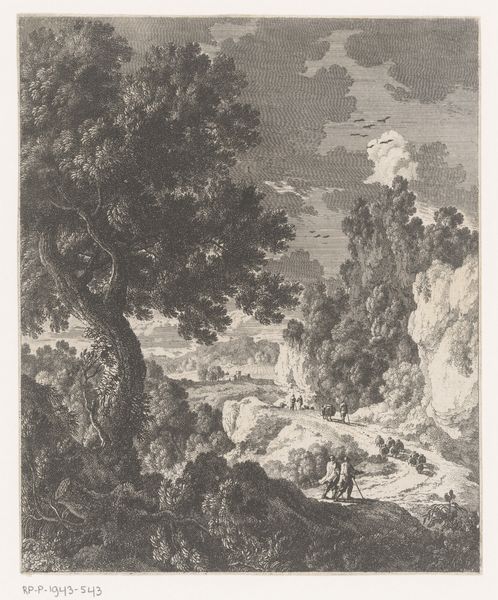
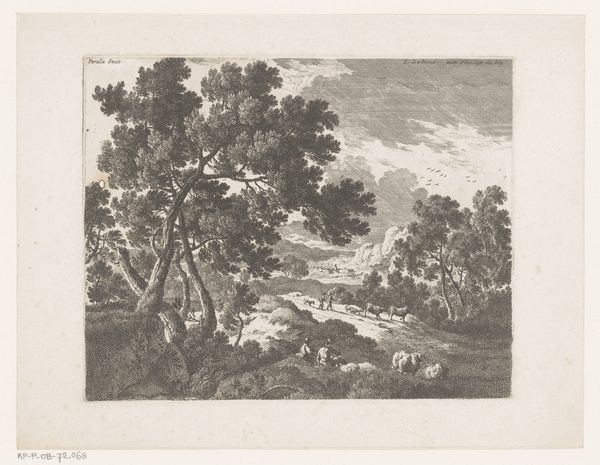
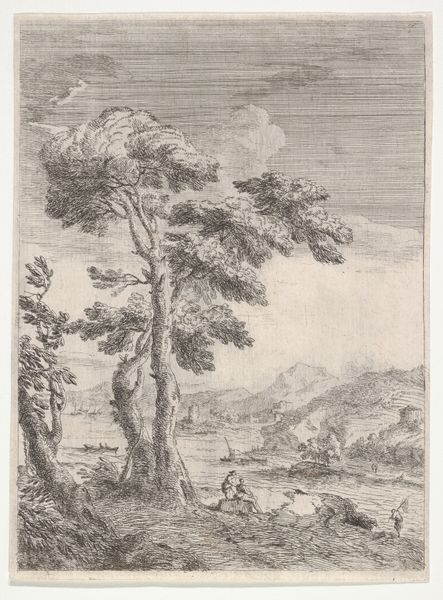
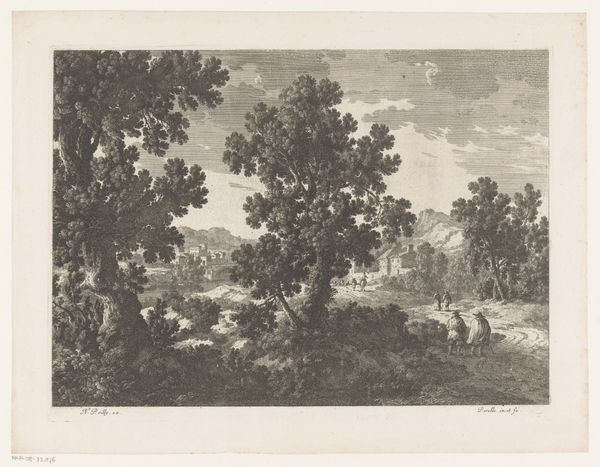
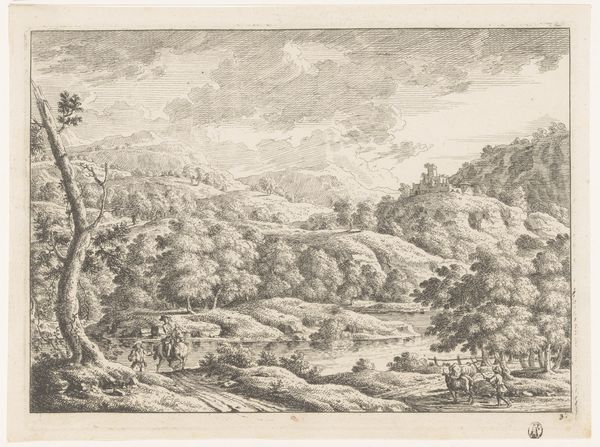
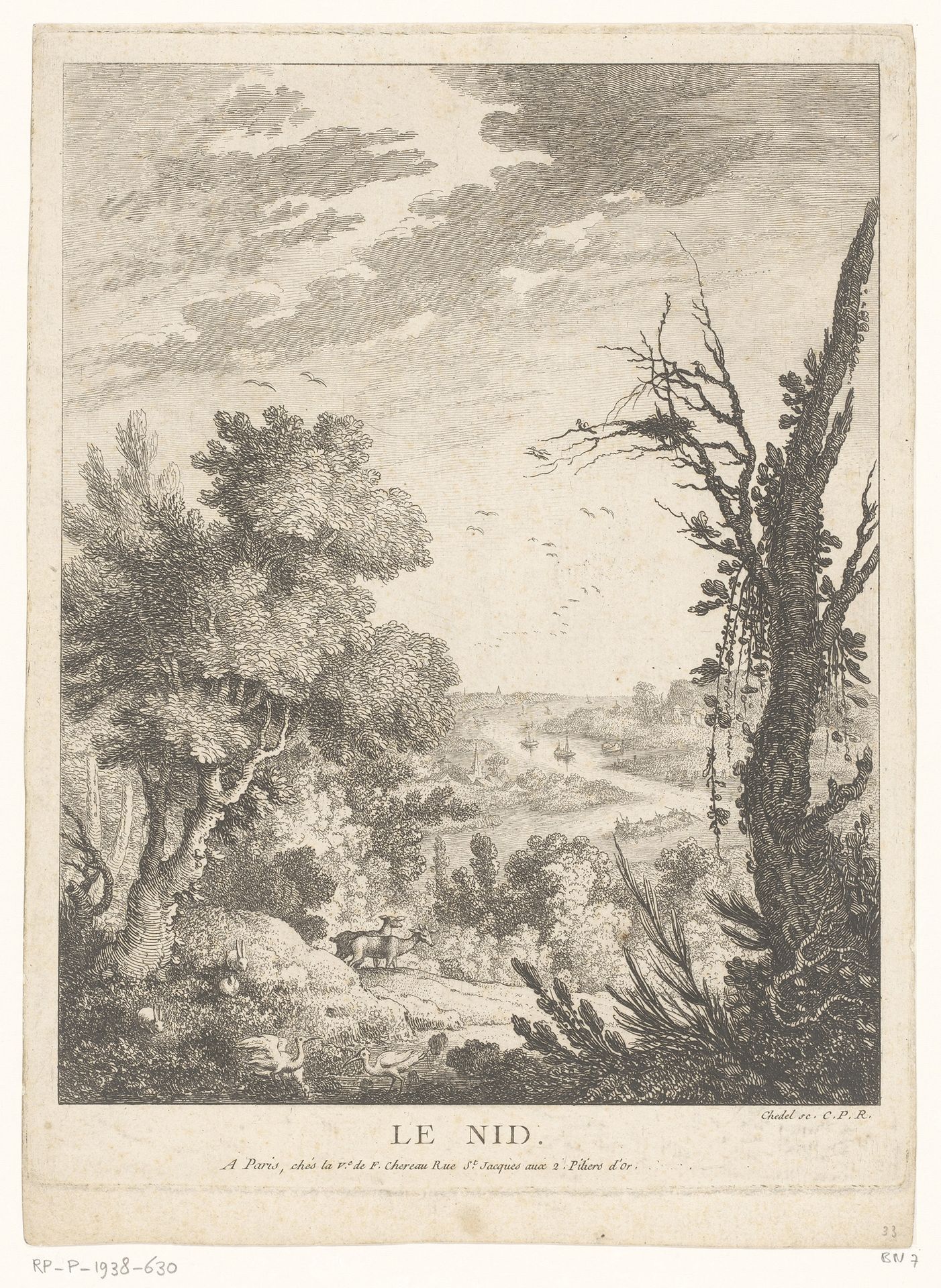
"Landschap met herten, konijnen en vogels en op de achtergrond een rivier" by Quentin Pierre Chedel is an etching which presents an idyllic vision of nature. Made in the 18th century, this landscape reflects the era's fascination with the natural world, and its use as a means to explore social ideals. What strikes me is how this image seems to smooth over the more difficult aspects of life, especially considering how hierarchical French society was at the time. Gender roles were very clearly defined, with women having limited access to education and power. Racial and class inequalities were also deeply ingrained, leading to significant social unrest. Chedel's nature scene, while beautiful, offers a retreat from these harsh realities, creating a harmonious world that perhaps comments on these very inequalities through its absence. The animals, seemingly living in peace, present an alternative narrative—one that values harmony over hierarchy. Consider how such idealized representations served to both reflect and shape societal values, offering a vision of what could be, even if it was far from the lived experience of many. This work invites us to reflect on the power of art to both mirror and challenge the world around us, capturing the desires and dreams of a society grappling with complex social issues.
Landschap met herten, konijnen en vogels en op de achtergrond een rivier c. 1753 - 1782

Quentin Pierre Chedel
1705 - 1763Location
RijksmuseumArtwork details
- Medium
- print, etching
- Dimensions
- height 260 mm, width 198 mm
- Location
- Rijksmuseum
- Copyright
- Rijks Museum: Open Domain
Tags
aged paper
etching
old engraving style
landscape
personal sketchbook
rococo
Comments
No comments
About this artwork
"Landschap met herten, konijnen en vogels en op de achtergrond een rivier" by Quentin Pierre Chedel is an etching which presents an idyllic vision of nature. Made in the 18th century, this landscape reflects the era's fascination with the natural world, and its use as a means to explore social ideals. What strikes me is how this image seems to smooth over the more difficult aspects of life, especially considering how hierarchical French society was at the time. Gender roles were very clearly defined, with women having limited access to education and power. Racial and class inequalities were also deeply ingrained, leading to significant social unrest. Chedel's nature scene, while beautiful, offers a retreat from these harsh realities, creating a harmonious world that perhaps comments on these very inequalities through its absence. The animals, seemingly living in peace, present an alternative narrative—one that values harmony over hierarchy. Consider how such idealized representations served to both reflect and shape societal values, offering a vision of what could be, even if it was far from the lived experience of many. This work invites us to reflect on the power of art to both mirror and challenge the world around us, capturing the desires and dreams of a society grappling with complex social issues.
Comments
No comments