About this artwork
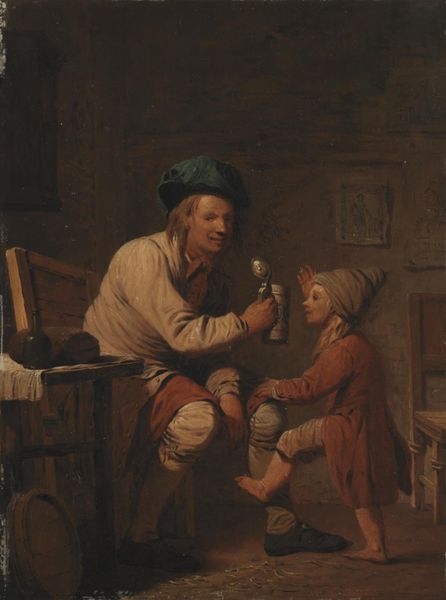
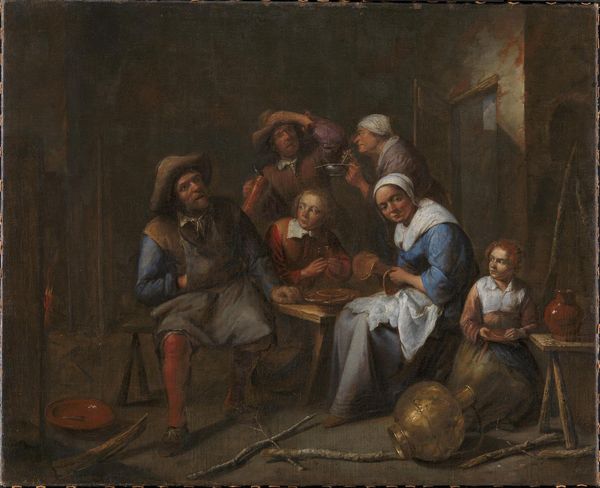
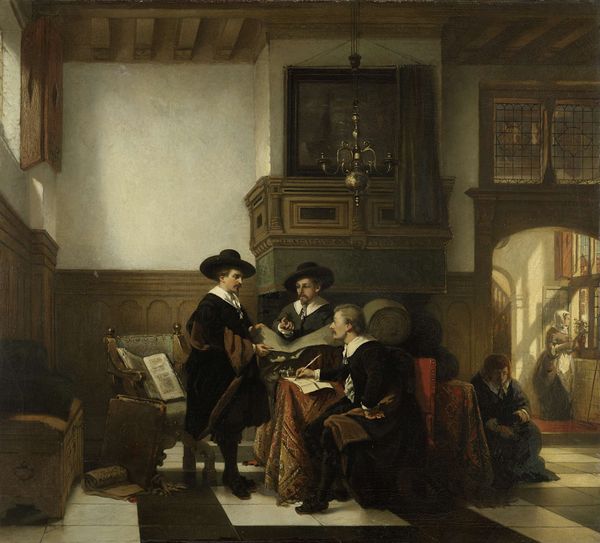
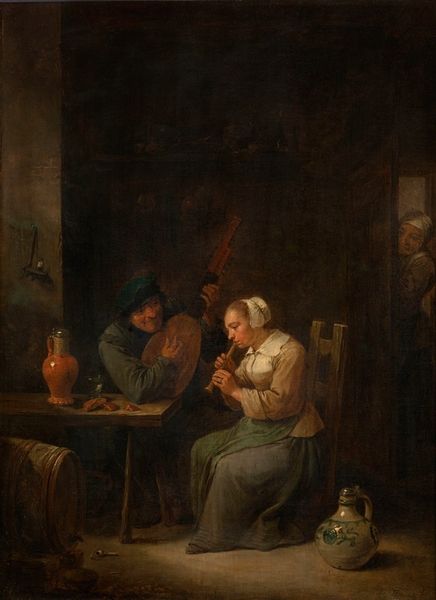
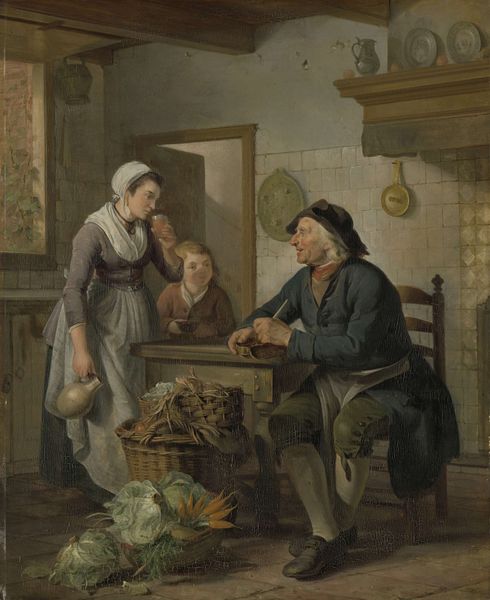
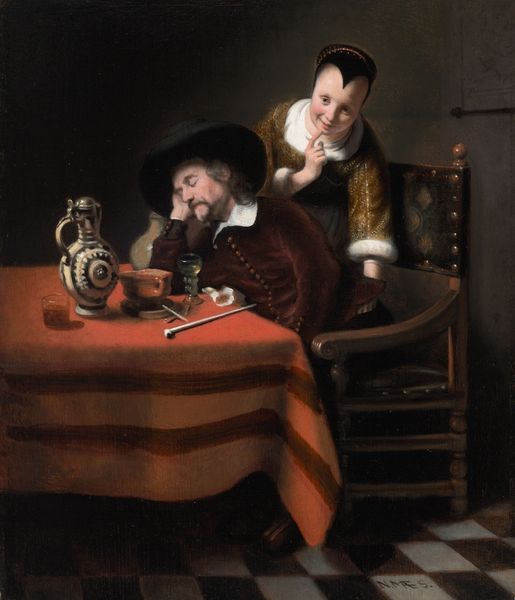
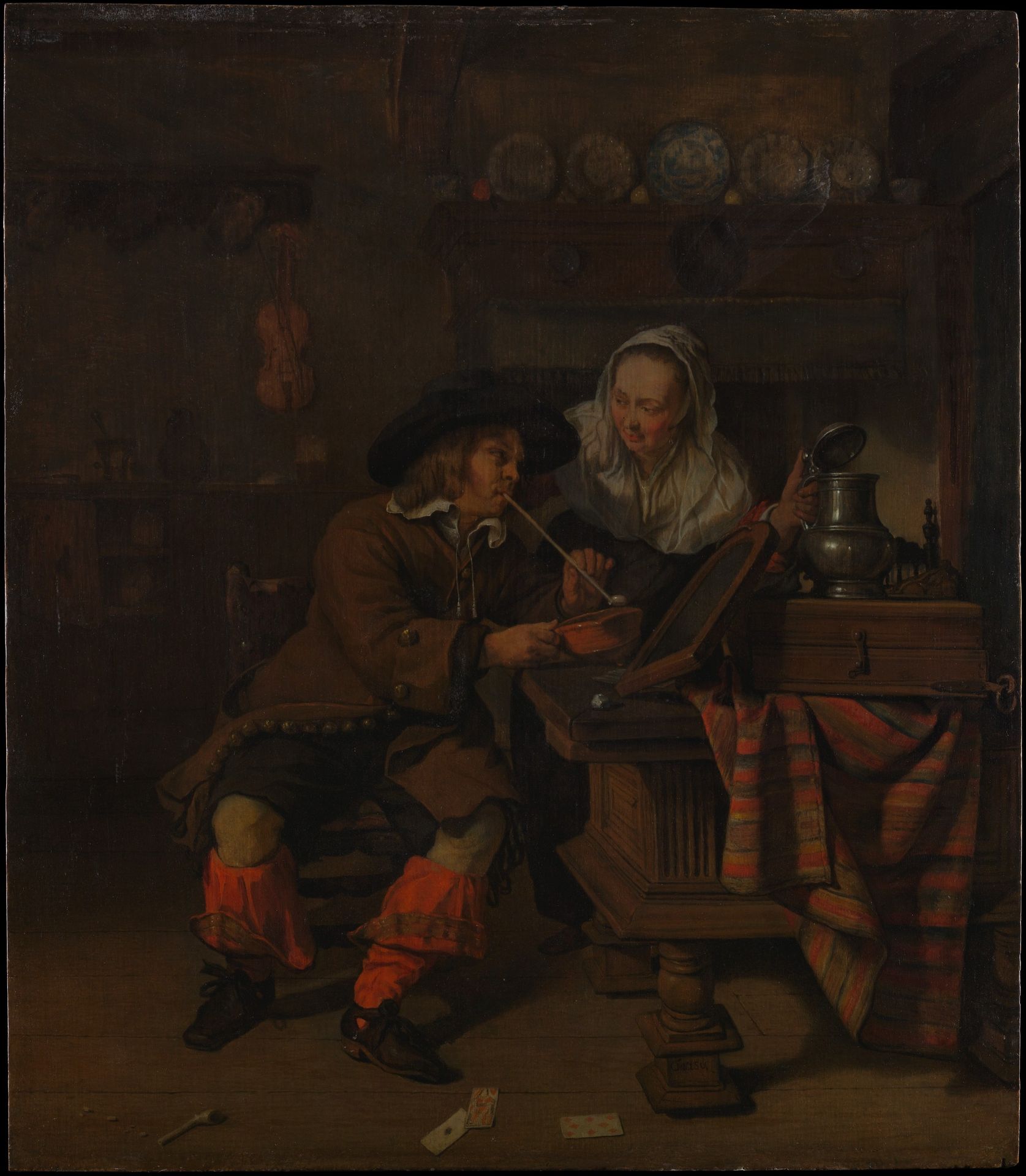
Gabriel Metsu painted this "Tavern Scene" in the 17th century. The pipe being smoked here transcends mere earthly pleasure; it is a symbol laden with meaning. Throughout time, smoking has appeared as a signifier of leisure, contemplation, or even decadence. We see variations of this in Dutch Golden Age paintings, where a pipe often accompanies scenes of daily life, hinting at deeper moral or social narratives. Consider the motif of tobacco—a newly discovered luxury—and its presence in art as a symbol of worldly indulgence. In this painting, the act of smoking perhaps embodies a temporary escape, a fleeting moment of enjoyment amidst life's complexities. Such representations tap into our collective memory, stirring emotions tied to relaxation and pleasure.
Tavern Scene 1649 - 1667


Artwork details
- Medium
- painting, oil-paint, ink
- Dimensions
- 14 3/8 x 12 5/8 in. (36.5 x 32.1 cm)
- Location
- Metropolitan Museum of Art, New York, NY
- Copyright
- Public Domain
Tags
portrait
baroque
dutch-golden-age
painting
oil-paint
ink
intimism
men
neutral brown palette
genre-painting
Comments
No comments
About this artwork
Gabriel Metsu painted this "Tavern Scene" in the 17th century. The pipe being smoked here transcends mere earthly pleasure; it is a symbol laden with meaning. Throughout time, smoking has appeared as a signifier of leisure, contemplation, or even decadence. We see variations of this in Dutch Golden Age paintings, where a pipe often accompanies scenes of daily life, hinting at deeper moral or social narratives. Consider the motif of tobacco—a newly discovered luxury—and its presence in art as a symbol of worldly indulgence. In this painting, the act of smoking perhaps embodies a temporary escape, a fleeting moment of enjoyment amidst life's complexities. Such representations tap into our collective memory, stirring emotions tied to relaxation and pleasure.
Comments
No comments