About this artwork
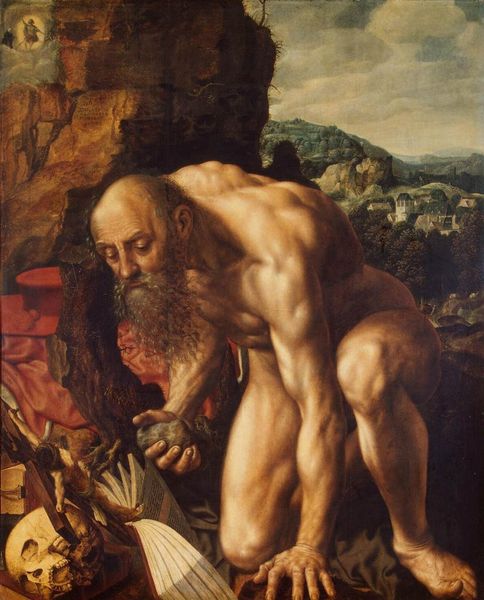
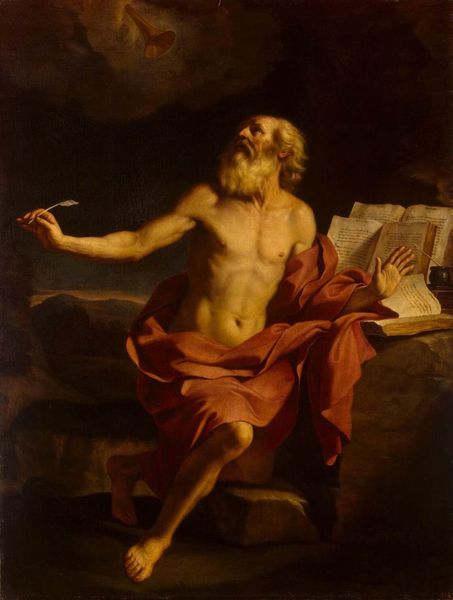
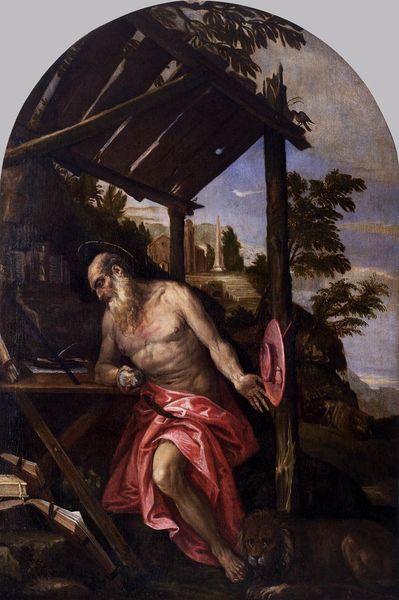
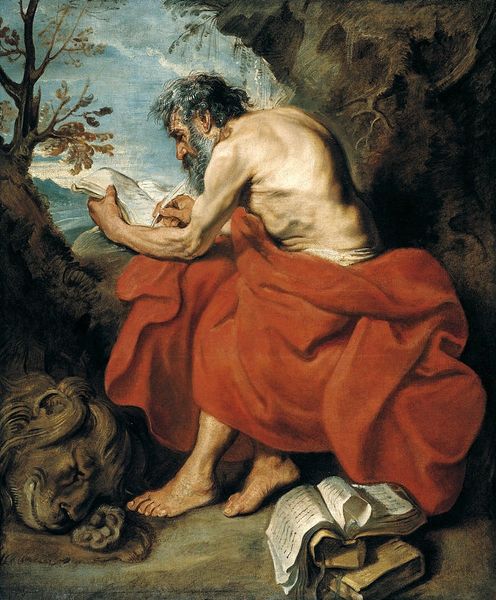
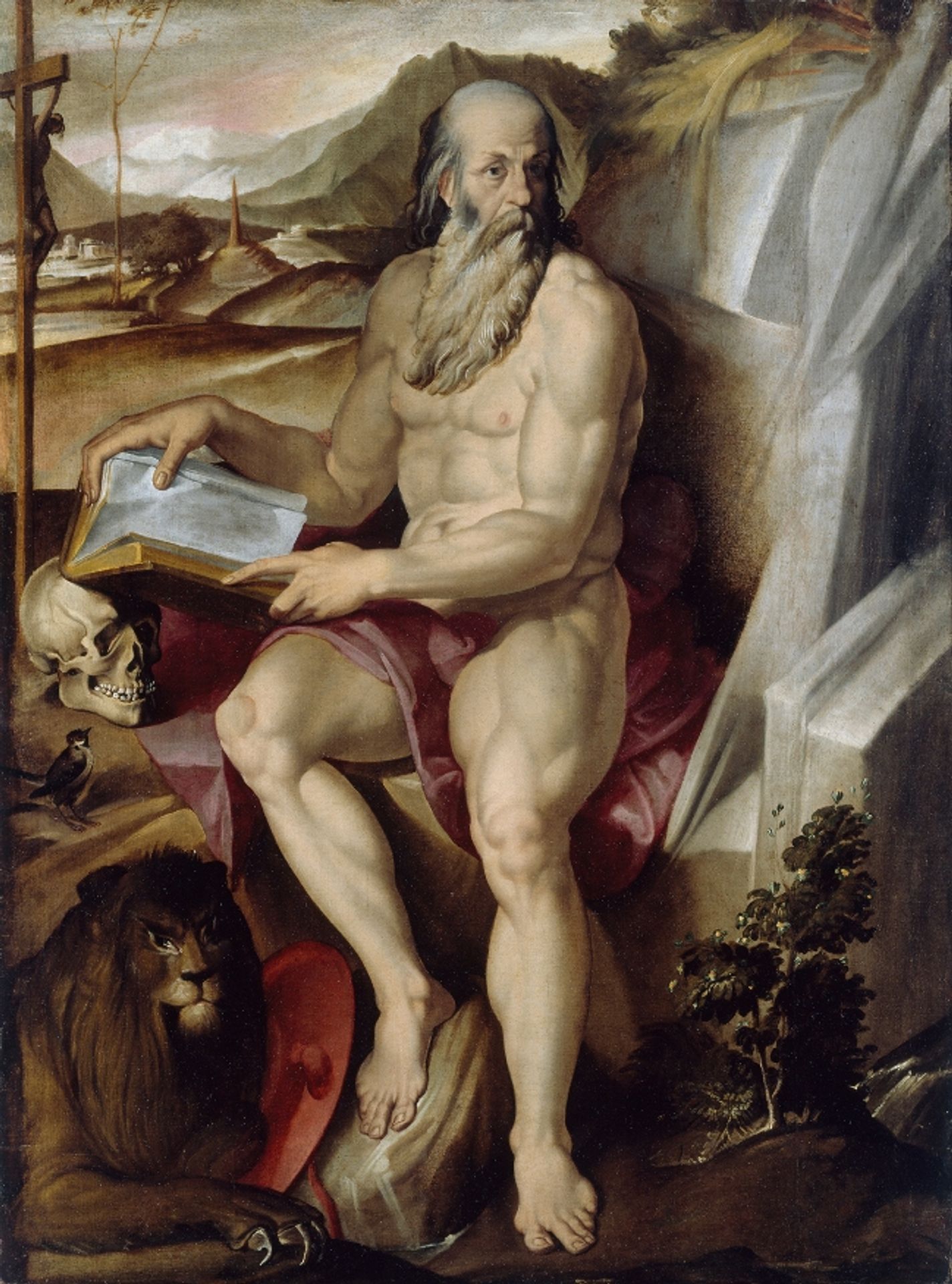
Bartolomeo Passerotti painted “Saint Jerome” with oil on canvas, and it now resides in the National Gallery of Ireland. The composition immediately draws your eye to the muscular figure of Jerome, whose aged body is rendered with striking physicality. Note how the artist uses light and shadow to sculpt the form, emphasizing the tension between flesh and spirit. The skull, book, and lion serve as symbolic elements, arranged to construct a narrative. Passerotti complicates the traditional representation of the saint through his dynamic and somewhat unsettling composition. It is as though he has destabilized established meanings, values, or categories. The artist invites us to question not only the nature of faith and knowledge, but also the very act of seeing and interpreting. It challenges us to deconstruct conventional symbols, and to find new meanings within the tension between the work's aesthetic form and its historical context.
Saint Jerome
1570

Bartolomeo Passerotti
1529 - 1592
National Library of Ireland
National Gallery of Ireland, Dublin, IrelandArtwork details
- Medium
- painting, oil-paint
- Dimensions
- 183 x 135 cm
- Location
- National Gallery of Ireland, Dublin, Ireland
- Copyright
- Public domain
Tags
portrait
painting
oil-paint
mannerism
oil painting
genre-painting
history-painting
academic-art
italian-renaissance
nude
portrait art
Comments
Be the first to share your thoughts about this work.
About this artwork
Bartolomeo Passerotti painted “Saint Jerome” with oil on canvas, and it now resides in the National Gallery of Ireland. The composition immediately draws your eye to the muscular figure of Jerome, whose aged body is rendered with striking physicality. Note how the artist uses light and shadow to sculpt the form, emphasizing the tension between flesh and spirit. The skull, book, and lion serve as symbolic elements, arranged to construct a narrative. Passerotti complicates the traditional representation of the saint through his dynamic and somewhat unsettling composition. It is as though he has destabilized established meanings, values, or categories. The artist invites us to question not only the nature of faith and knowledge, but also the very act of seeing and interpreting. It challenges us to deconstruct conventional symbols, and to find new meanings within the tension between the work's aesthetic form and its historical context.
Comments
Be the first to share your thoughts about this work.