About this artwork
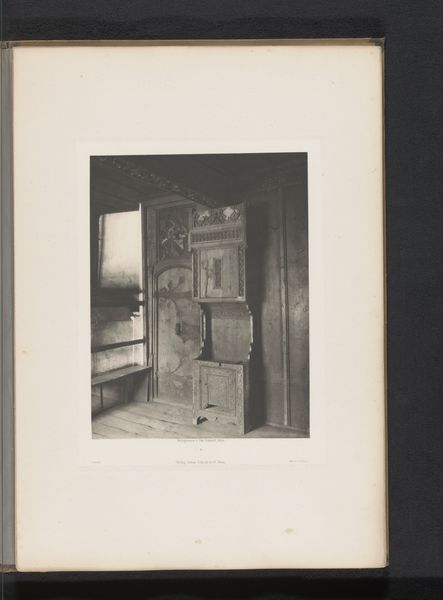
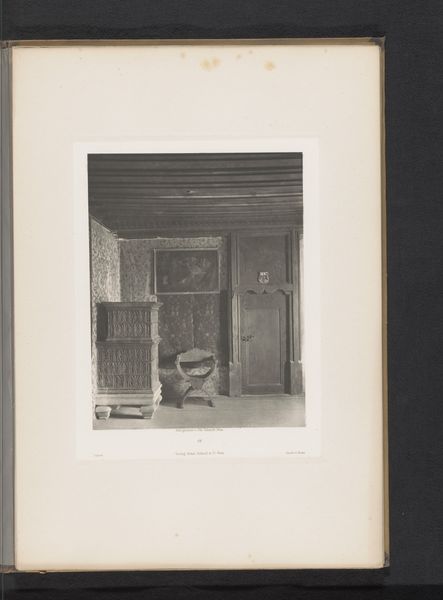
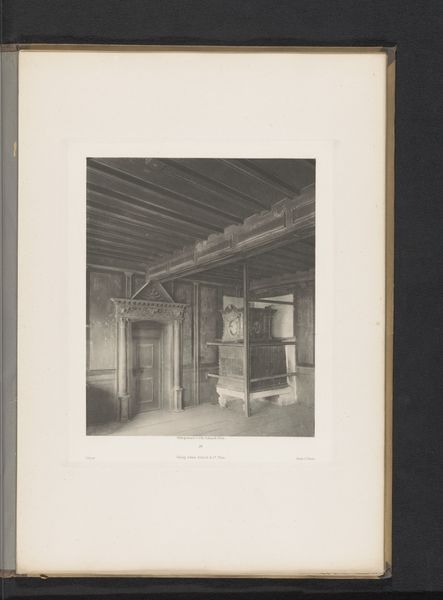
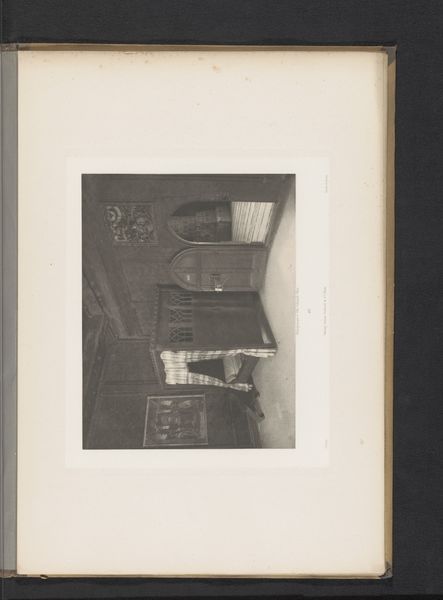
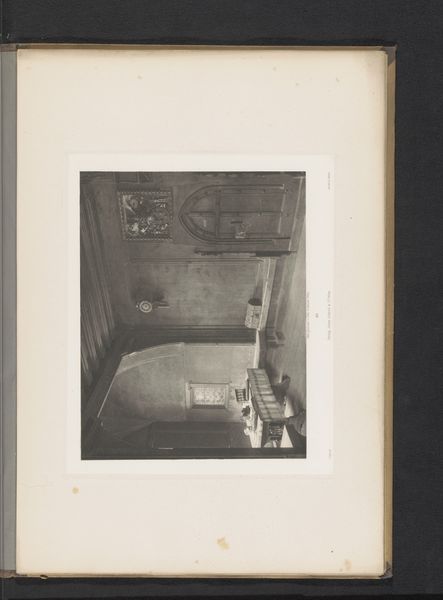
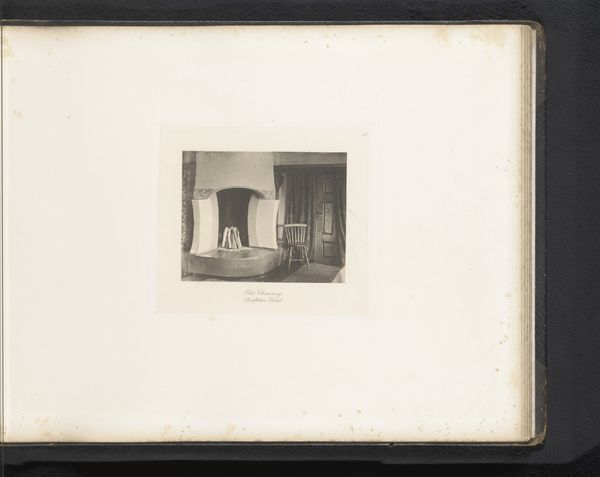
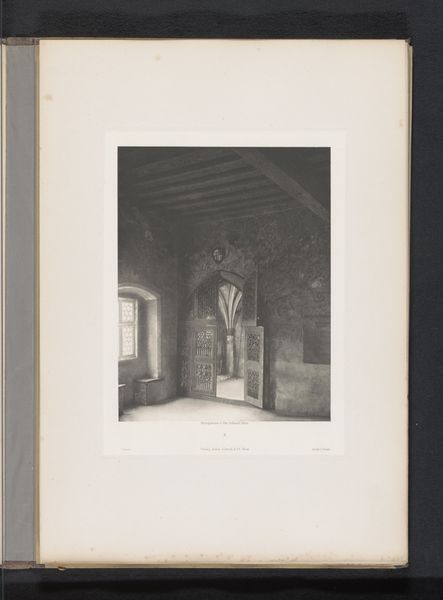
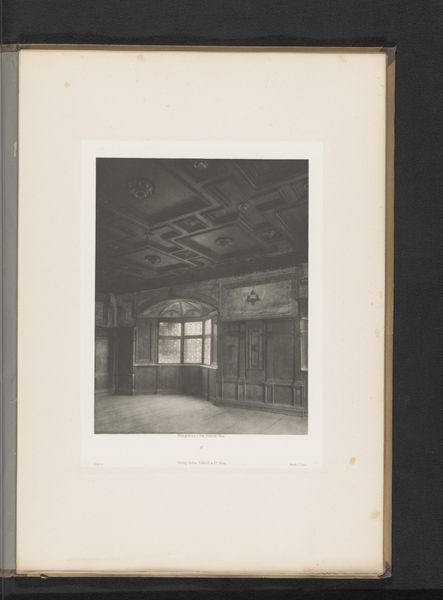
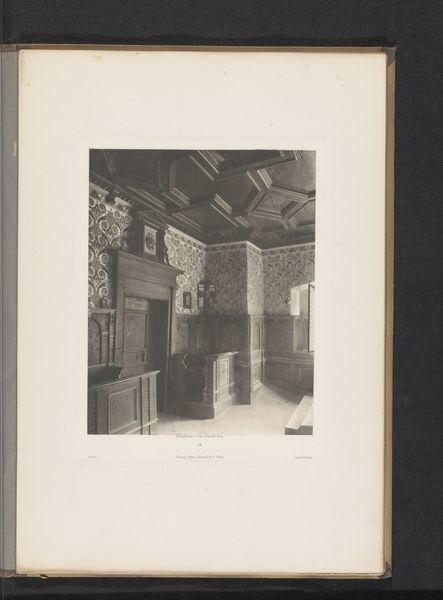
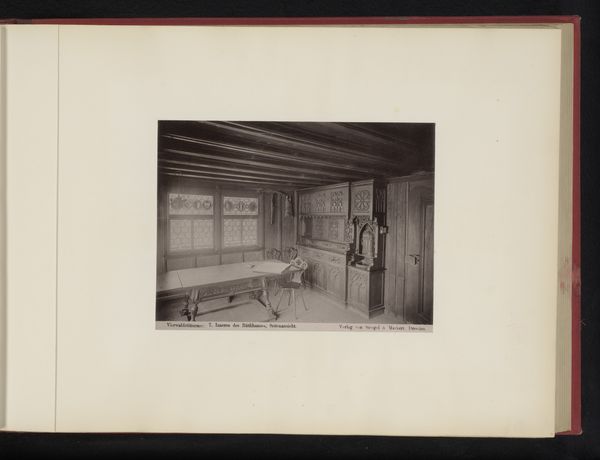
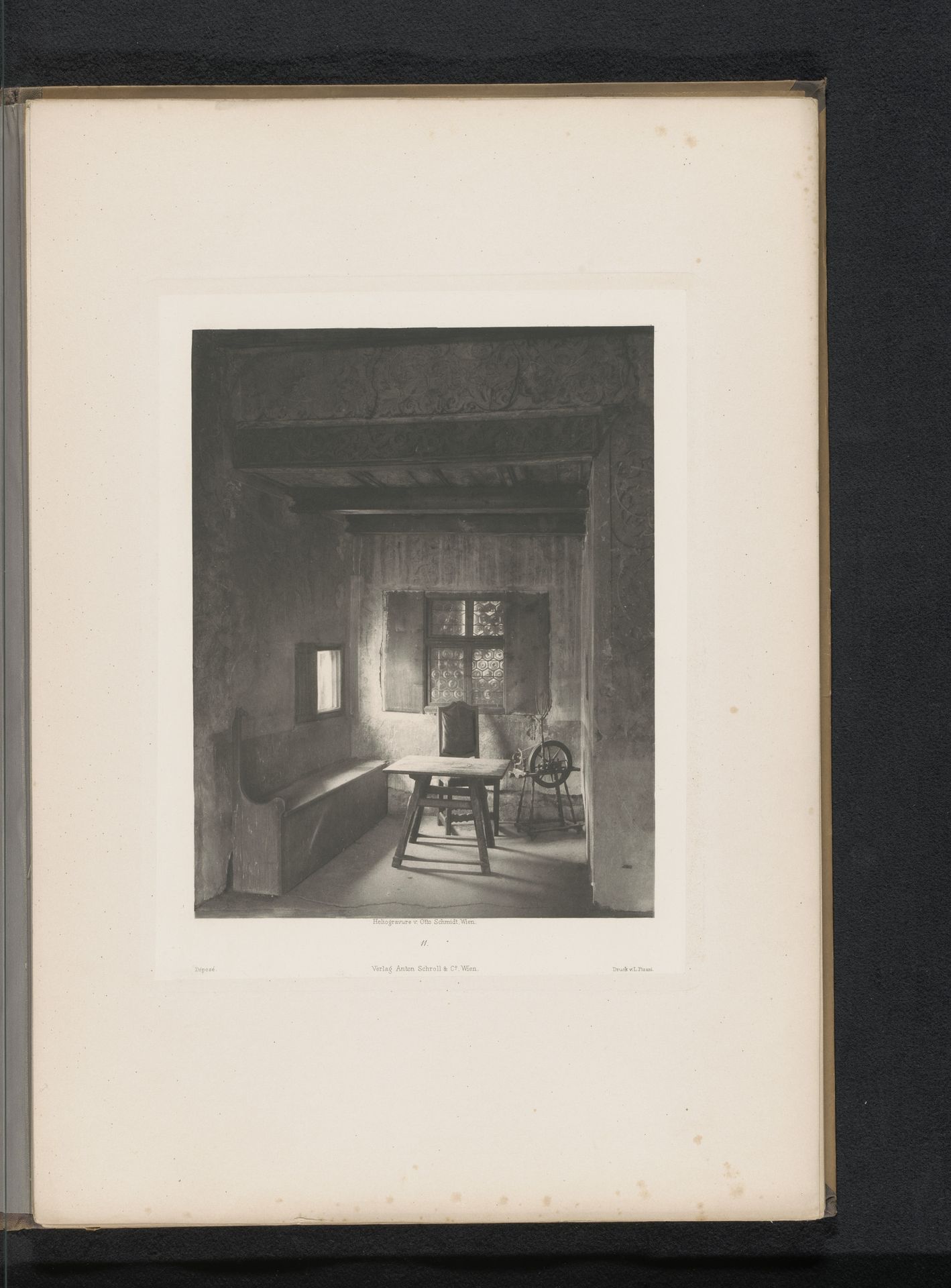
Otto Schmidt’s black and white print, titled "View of a small room in Burg Reifenstein in South Tyrol, Italy," invites us into an intimate, yet stark, domestic space. The image, while seemingly simple, speaks volumes about the intersections of domesticity, labor, and cultural identity in a specific geographical and historical context. The room, with its bench, table, and spinning wheel, suggests a space deeply intertwined with the labor and lives of women. Spinning, traditionally a female occupation, hints at the gendered division of labor, while the spartan furnishings evoke a sense of rural life and perhaps economic constraints. The location, South Tyrol, adds another layer of complexity. This region, with its history of shifting national identities and cultural allegiances, embodies a unique blend of Italian and Austrian influences. Schmidt's choice to depict this particular interior, with its blend of simplicity and functionality, could be interpreted as a reflection on the region’s complex cultural identity. It offers a quiet commentary on the lives of those who inhabited this space, suggesting a narrative of resilience, labor, and cultural negotiation.
Gezicht op een kleine kamer in Burg Reifenstein in Zuid-Tirol, Italië before 1891

Artwork details
- Medium
- photography
- Dimensions
- height 236 mm, width 184 mm
- Copyright
- Rijks Museum: Open Domain
Tags
photography
genre-painting
realism
Comments
No comments
About this artwork
Otto Schmidt’s black and white print, titled "View of a small room in Burg Reifenstein in South Tyrol, Italy," invites us into an intimate, yet stark, domestic space. The image, while seemingly simple, speaks volumes about the intersections of domesticity, labor, and cultural identity in a specific geographical and historical context. The room, with its bench, table, and spinning wheel, suggests a space deeply intertwined with the labor and lives of women. Spinning, traditionally a female occupation, hints at the gendered division of labor, while the spartan furnishings evoke a sense of rural life and perhaps economic constraints. The location, South Tyrol, adds another layer of complexity. This region, with its history of shifting national identities and cultural allegiances, embodies a unique blend of Italian and Austrian influences. Schmidt's choice to depict this particular interior, with its blend of simplicity and functionality, could be interpreted as a reflection on the region’s complex cultural identity. It offers a quiet commentary on the lives of those who inhabited this space, suggesting a narrative of resilience, labor, and cultural negotiation.
Comments
No comments