About this artwork
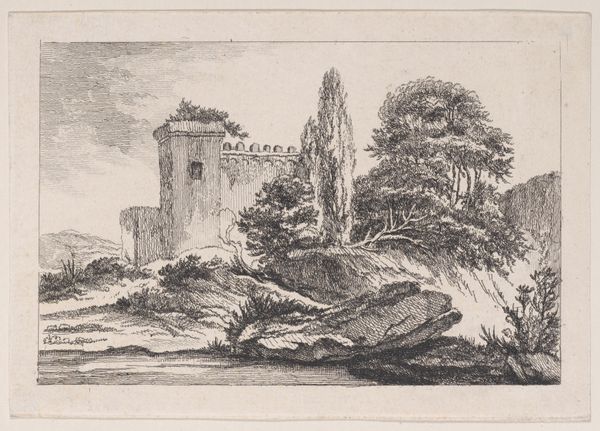
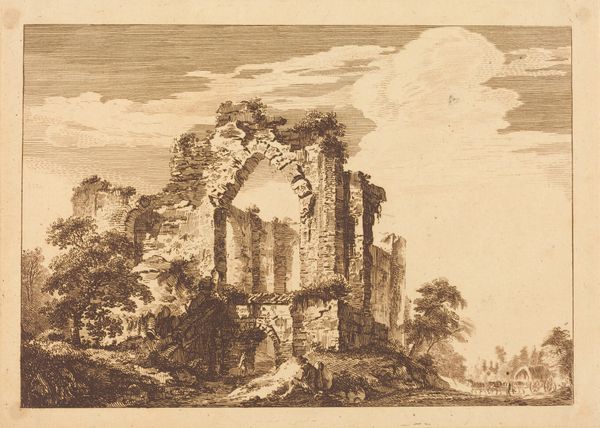
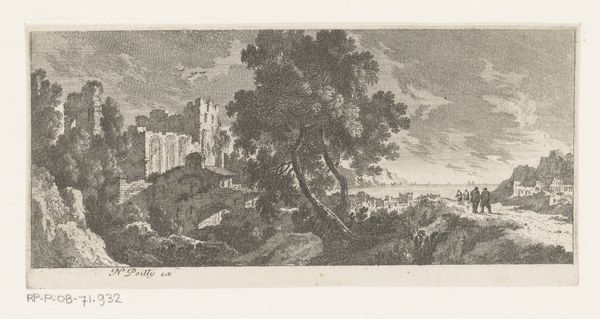
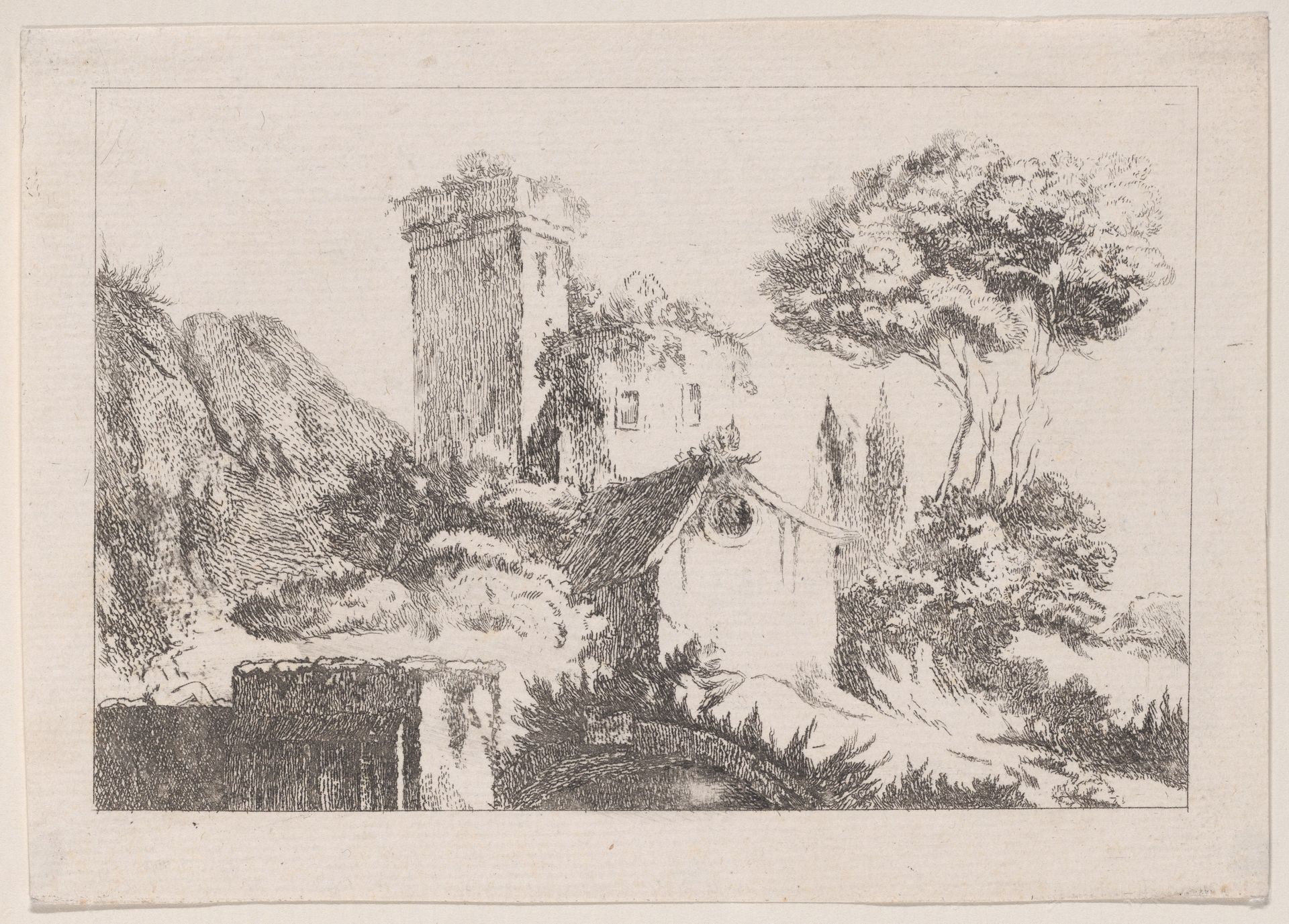
This is "Rustic Landscape," an undated etching by Louis Philippe Joseph, duc de Chartres, an intriguing figure of the 18th century French aristocracy. He was not just a nobleman, but also a military leader, and, as we see here, an artist. The print captures a romanticized view of the countryside, a popular theme during a time when the elite often looked to the simplicity of rural life as an escape from the complexities of court. But this wasn't just about aesthetics. These landscapes also reflected the enormous social inequalities of the time, where idealized versions of rural life often masked the harsh realities faced by peasants. The image presents a carefully constructed, idealized version of nature, a stark contrast to the social unrest that would soon lead to revolution. As you look at the image, consider the layers of privilege and perception that shape our understanding of history and art. What does it mean to depict a 'rustic landscape' when your own position is so removed from the people who inhabit it?
Rustic Landscape
1740 - 1785

Louis Philippe Joseph, duc de Chartres
1726 - 1785
The Metropolitan Museum of Art
Metropolitan Museum of Art, New York, NYArtwork details
- Medium
- drawing, print, etching
- Dimensions
- Sheet: 4 7/16 × 6 5/16 in. (11.3 × 16 cm)
- Location
- Metropolitan Museum of Art, New York, NY
- Copyright
- Public Domain
Tags
Comments
Share your thoughts
About this artwork
This is "Rustic Landscape," an undated etching by Louis Philippe Joseph, duc de Chartres, an intriguing figure of the 18th century French aristocracy. He was not just a nobleman, but also a military leader, and, as we see here, an artist. The print captures a romanticized view of the countryside, a popular theme during a time when the elite often looked to the simplicity of rural life as an escape from the complexities of court. But this wasn't just about aesthetics. These landscapes also reflected the enormous social inequalities of the time, where idealized versions of rural life often masked the harsh realities faced by peasants. The image presents a carefully constructed, idealized version of nature, a stark contrast to the social unrest that would soon lead to revolution. As you look at the image, consider the layers of privilege and perception that shape our understanding of history and art. What does it mean to depict a 'rustic landscape' when your own position is so removed from the people who inhabit it?
Comments
Share your thoughts