About this artwork
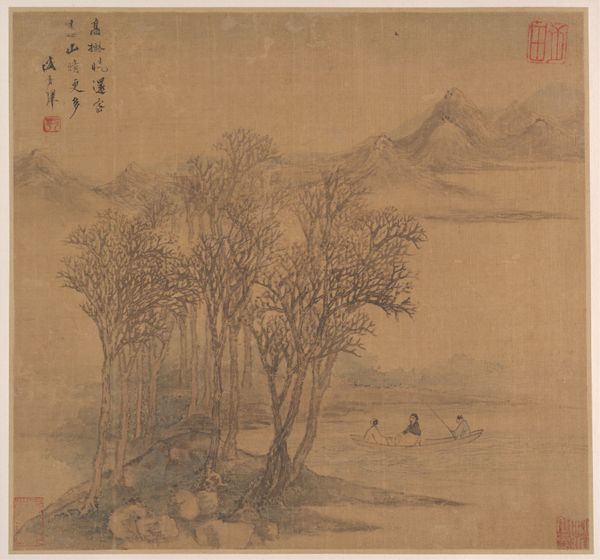
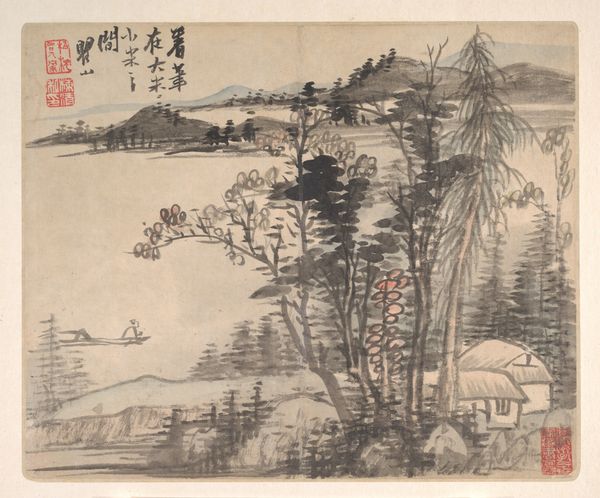
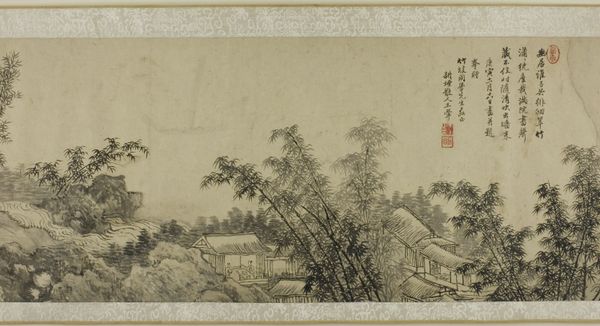
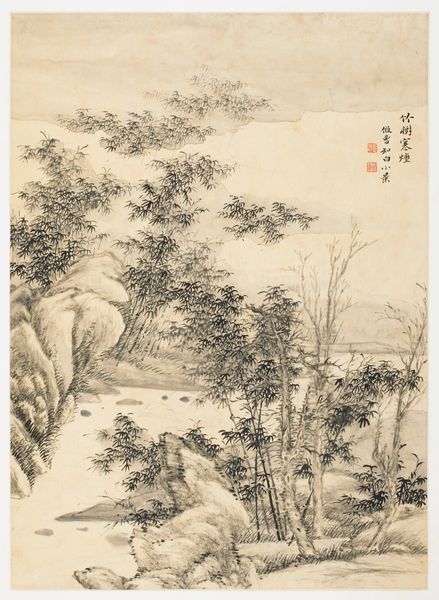
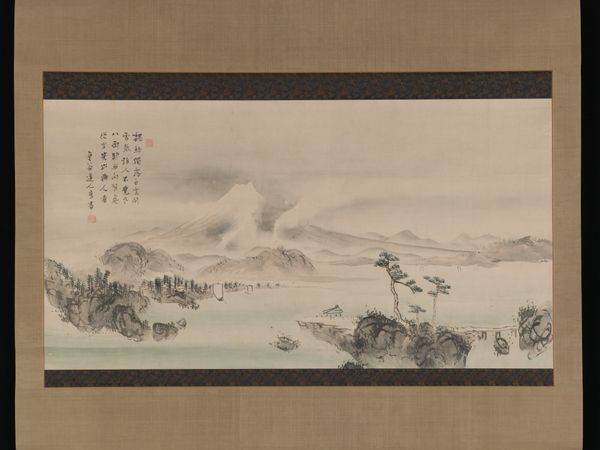
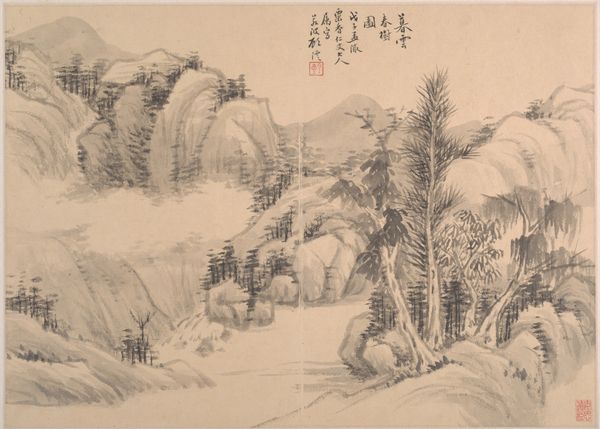
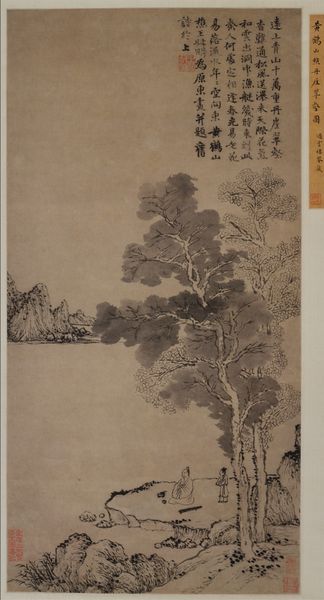
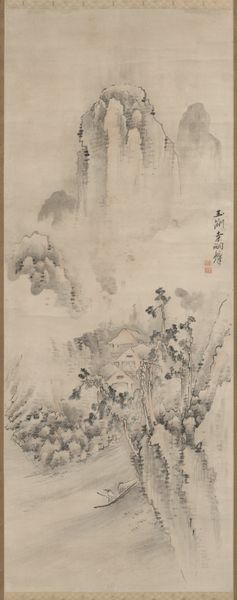
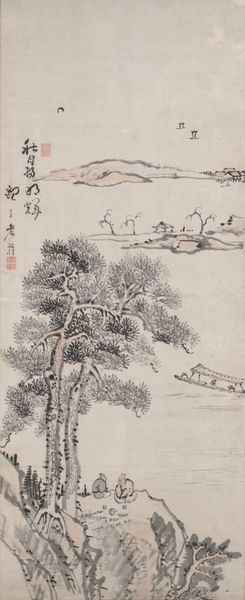
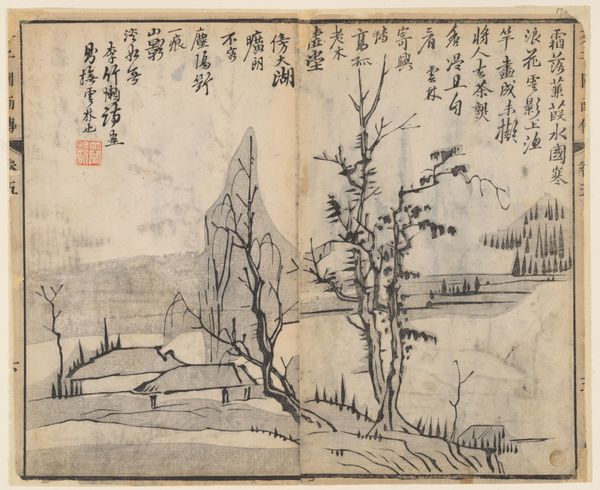
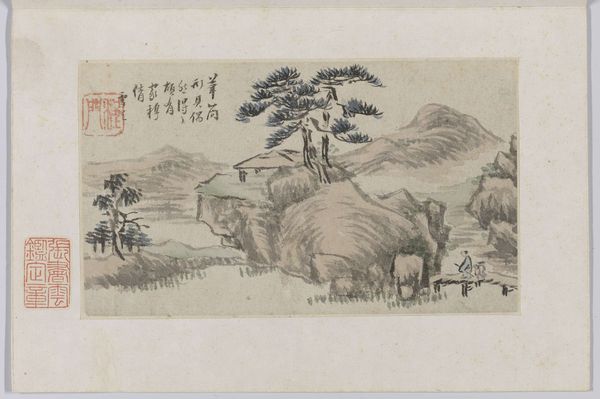
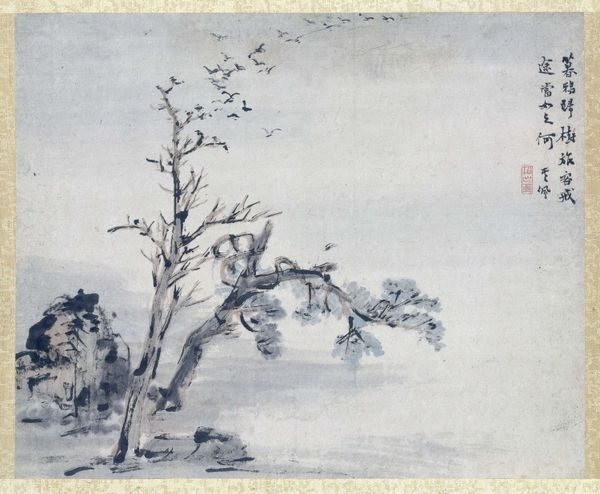
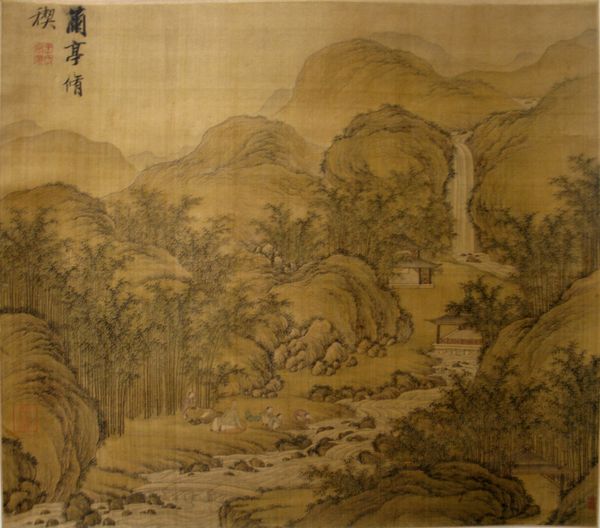
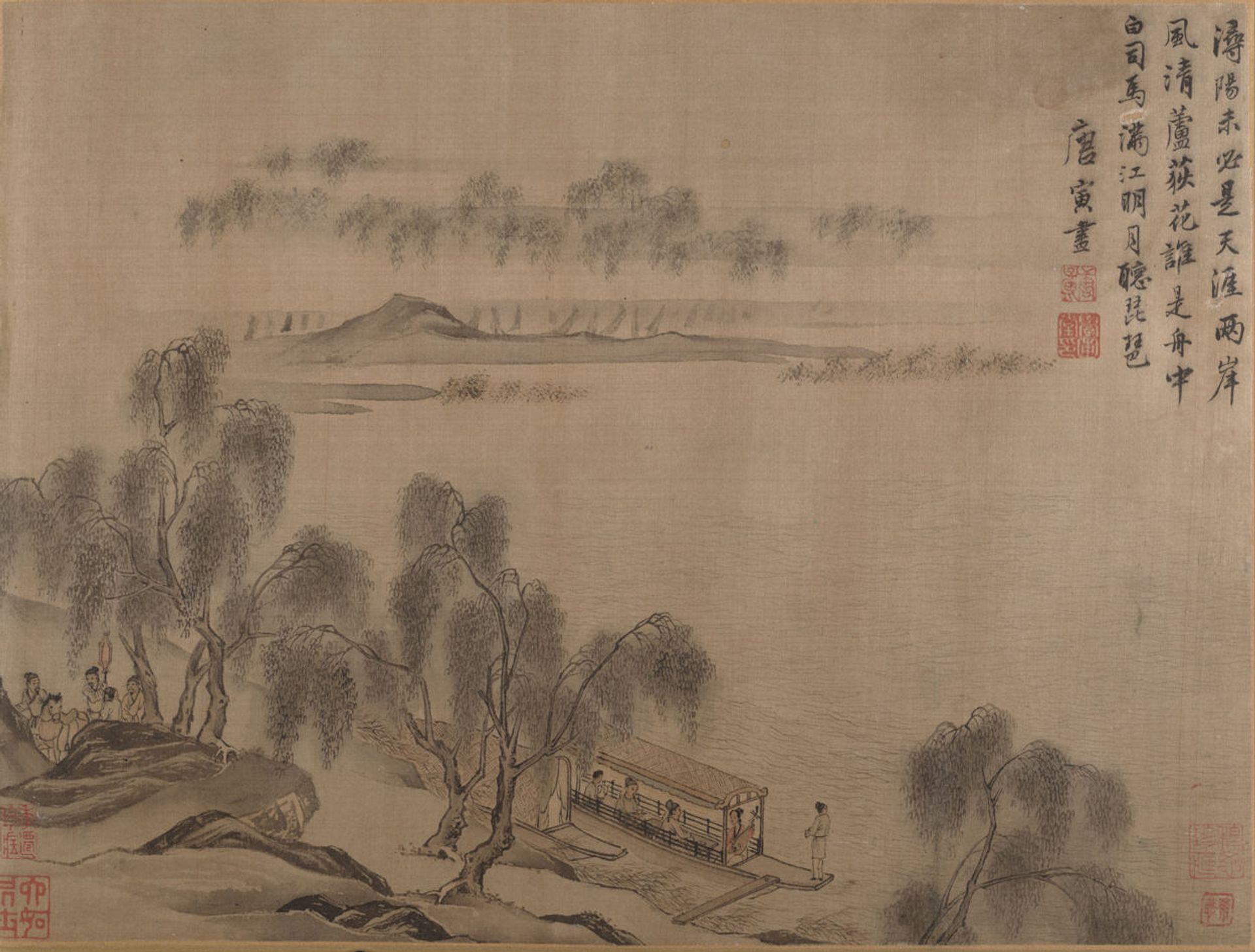
Tang Yin created these eight ink-on-paper landscape panels during the Ming Dynasty. The monochromatic ink evokes the literati tradition, connecting landscape with personal expression and scholarly ideals. Painted in the early 16th century, these panels reflect a period of social and cultural change in China. Urban culture was flourishing, and a growing merchant class challenged traditional social hierarchies. Tang Yin himself was a complex figure, a talented scholar who, after being implicated in a corruption scandal, lived much of his life outside officialdom, selling his art. This landscape, therefore, speaks to a yearning for escape from the social pressures of urban life, while also being a commodity for sale in that same world. Art historians consult a range of sources – poems, biographies, and social histories – to better understand the complex relationship between art, artist, and society. The meaning of art always depends on its context.
Landscapes
1470 - 1524


Artwork details
- Medium
- painting, paper, ink
- Dimensions
- Image (All leaves): 12 3/4 x 162 7/8 in. (32.4 x 413.7 cm) Overall with mounting: 13 1/16 x 306 5/16 in. (33.2 x 778 cm) Image (Leaf 1): 12 3/4 x 17 in. (32.4 x 43.2 cm) Image (Leaf 2): 12 3/4 x 17 in. (32.4 x 43.2 cm) Image (Leaf 3): 12 3/4 x 16 7/8 in. (32.4 x 42.9 cm) Image (Leaf 4): 12 3/4 x 16 3/4 in. (32.4 x 42.5 cm) Image (Leaf 5): 12 3/4 x 16 7/8 in. (32.4 x 42.9 cm) Image (Leaf 6): 12 3/4 x 16 13/16 in. (32.4 x 42.7 cm) Image (Leaf 7): 12 3/4 x 16 7/8 in. (32.4 x 42.9 cm) Image (Leaf 8): 12 3/4 x 16 7/8 in. (32.4 x 42.9 cm)
- Location
- Metropolitan Museum of Art, New York, NY
- Copyright
- Public Domain
Tags
Comments
Share your thoughts
About this artwork
Tang Yin created these eight ink-on-paper landscape panels during the Ming Dynasty. The monochromatic ink evokes the literati tradition, connecting landscape with personal expression and scholarly ideals. Painted in the early 16th century, these panels reflect a period of social and cultural change in China. Urban culture was flourishing, and a growing merchant class challenged traditional social hierarchies. Tang Yin himself was a complex figure, a talented scholar who, after being implicated in a corruption scandal, lived much of his life outside officialdom, selling his art. This landscape, therefore, speaks to a yearning for escape from the social pressures of urban life, while also being a commodity for sale in that same world. Art historians consult a range of sources – poems, biographies, and social histories – to better understand the complex relationship between art, artist, and society. The meaning of art always depends on its context.
Comments
Share your thoughts