About this artwork
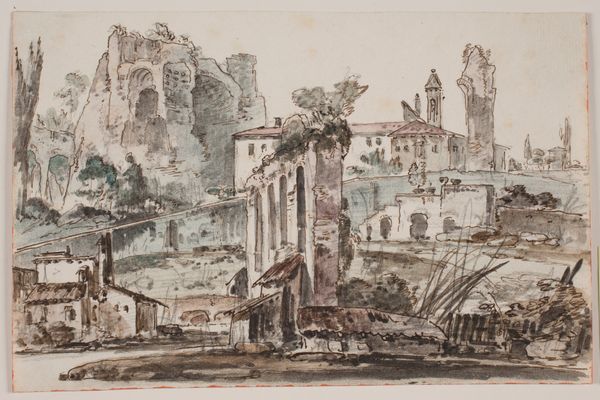
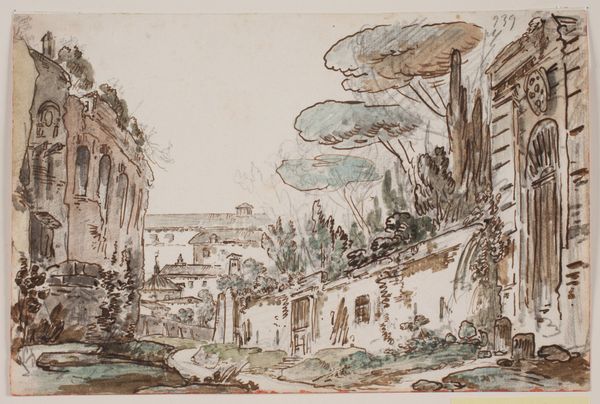
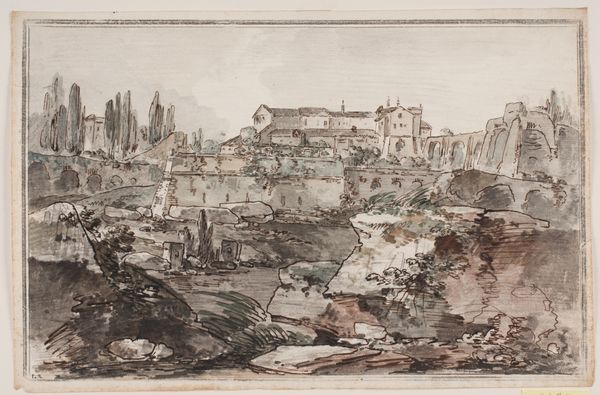
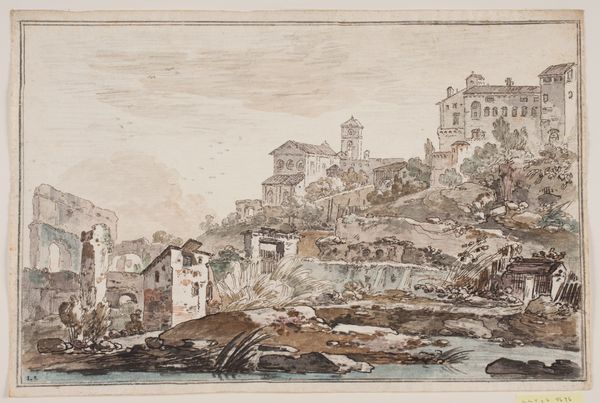
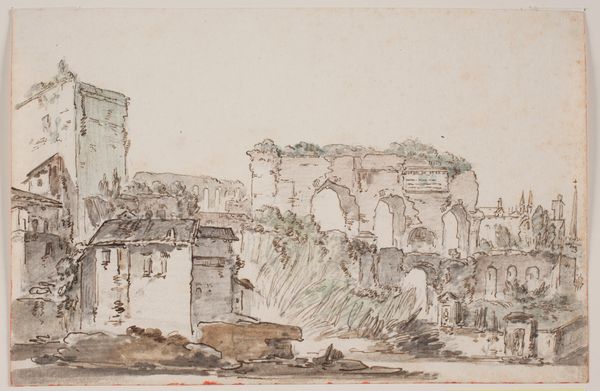
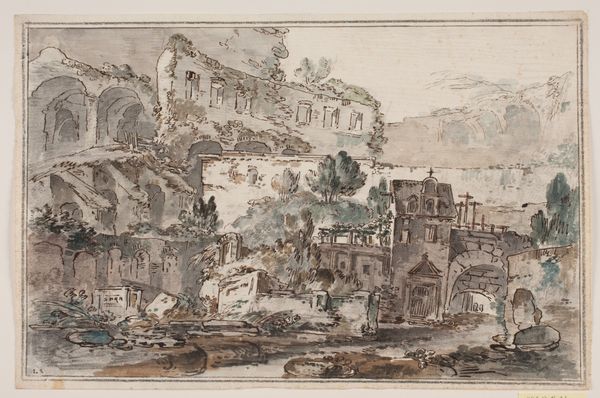
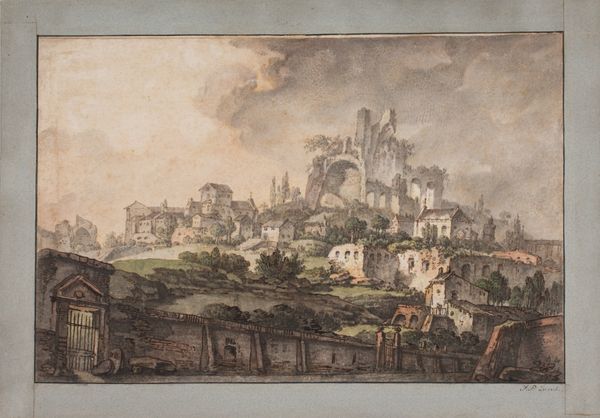
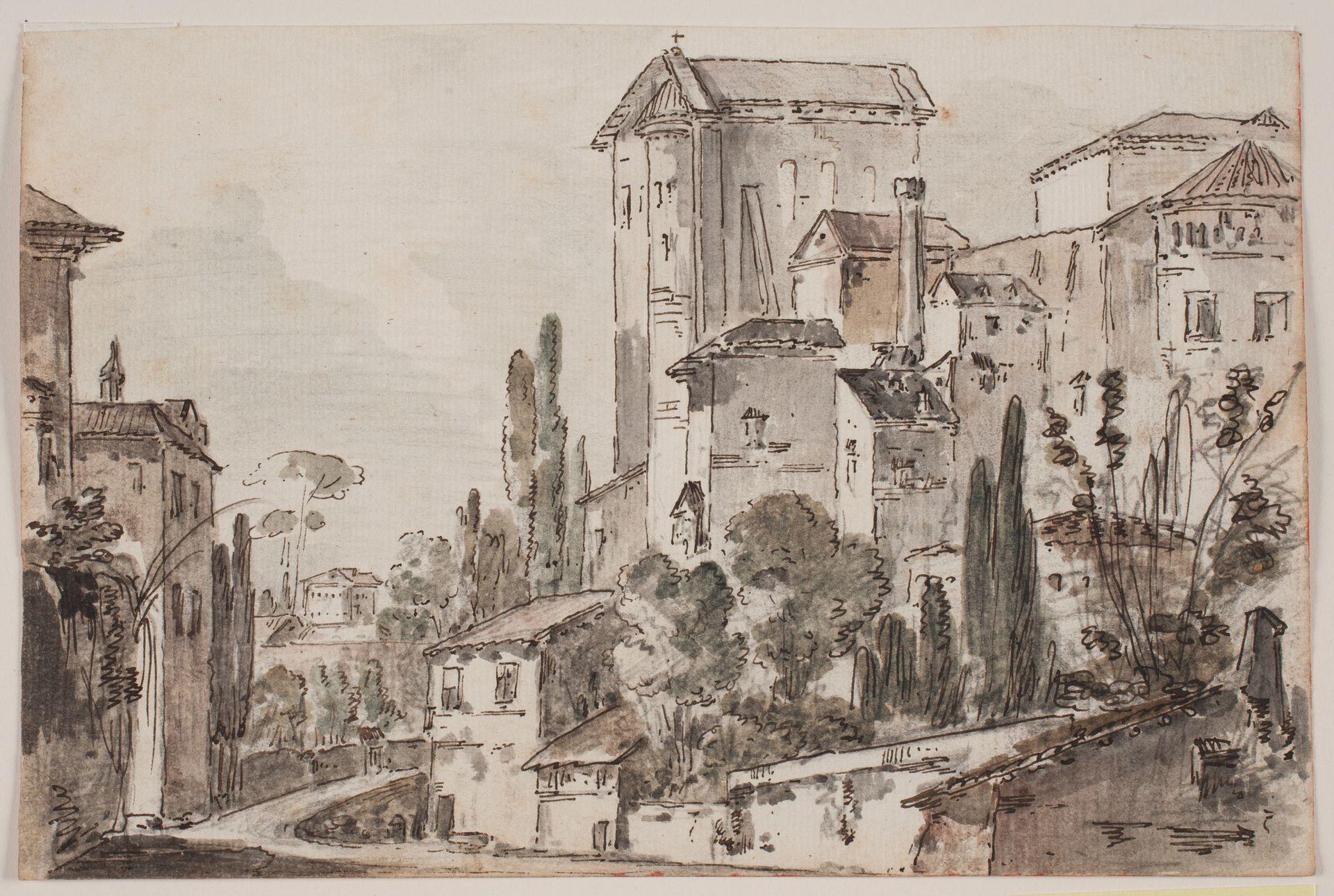
Jens Petersen Lund captured this Roman prospect with pen and wash, offering us a glimpse into the layered history of Rome. The architecture, dominated by a structure crowned with a cross, speaks to the city's enduring religious and political significance. The cross, a symbol of sacrifice and redemption, is a motif we see repeated across cultures. In ancient Egypt, the ankh, sharing a similar form, represented eternal life. Over time, these symbols merge and evolve. Here, the cross atop the Roman building signals the city's Christian identity, yet it resonates with echoes of older, pagan beliefs, a palimpsest of cultural meanings. This intersection of old and new evokes a powerful sense of cultural memory. It reminds us how symbols persist, adapt, and continue to shape our understanding of the world, engaging our subconscious with the eternal echoes of human history.
"Romersk" prospekt
1730 - 1793


Artwork details
- Dimensions
- 142 mm (height) x 214 mm (width) (bladmaal)
- Location
- SMK - Statens Museum for Kunst
Comments
Share your thoughts
About this artwork
Jens Petersen Lund captured this Roman prospect with pen and wash, offering us a glimpse into the layered history of Rome. The architecture, dominated by a structure crowned with a cross, speaks to the city's enduring religious and political significance. The cross, a symbol of sacrifice and redemption, is a motif we see repeated across cultures. In ancient Egypt, the ankh, sharing a similar form, represented eternal life. Over time, these symbols merge and evolve. Here, the cross atop the Roman building signals the city's Christian identity, yet it resonates with echoes of older, pagan beliefs, a palimpsest of cultural meanings. This intersection of old and new evokes a powerful sense of cultural memory. It reminds us how symbols persist, adapt, and continue to shape our understanding of the world, engaging our subconscious with the eternal echoes of human history.
Comments
Share your thoughts