About this artwork
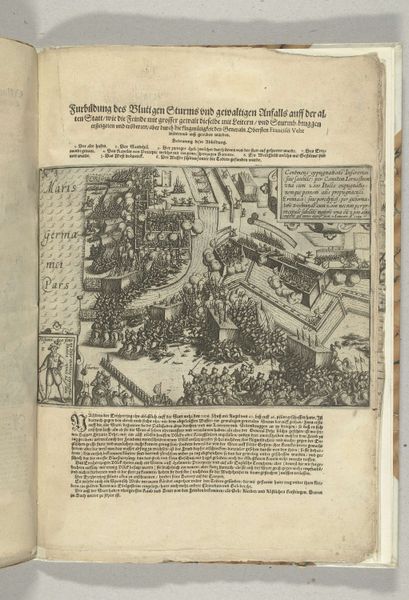
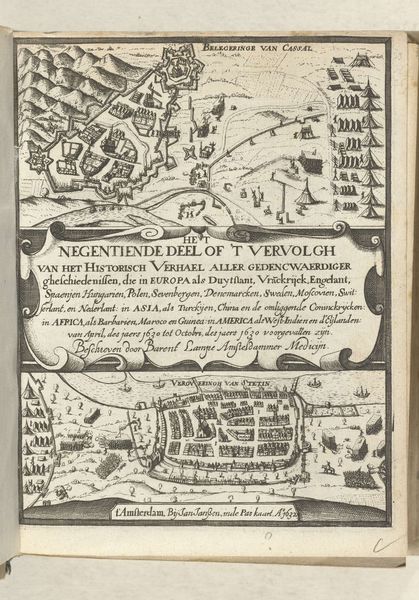
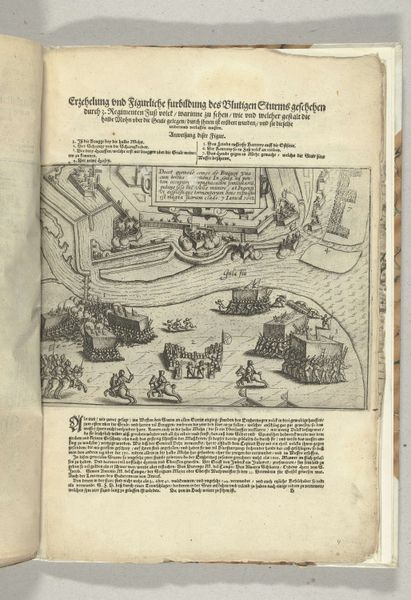
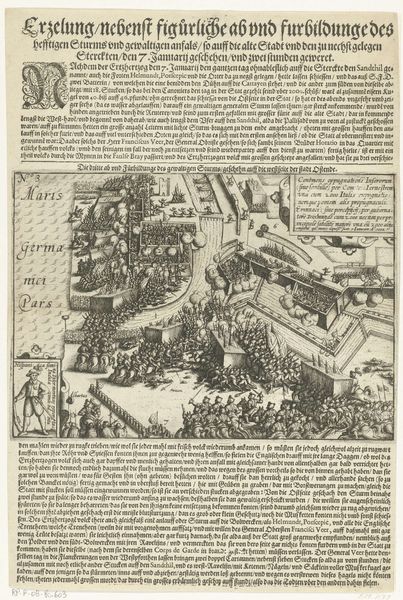
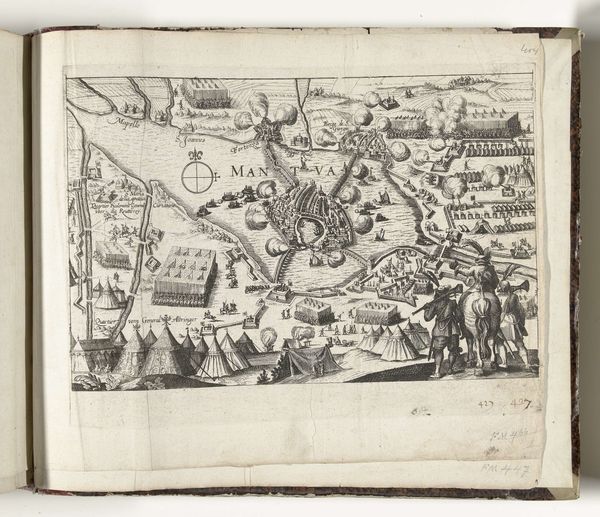
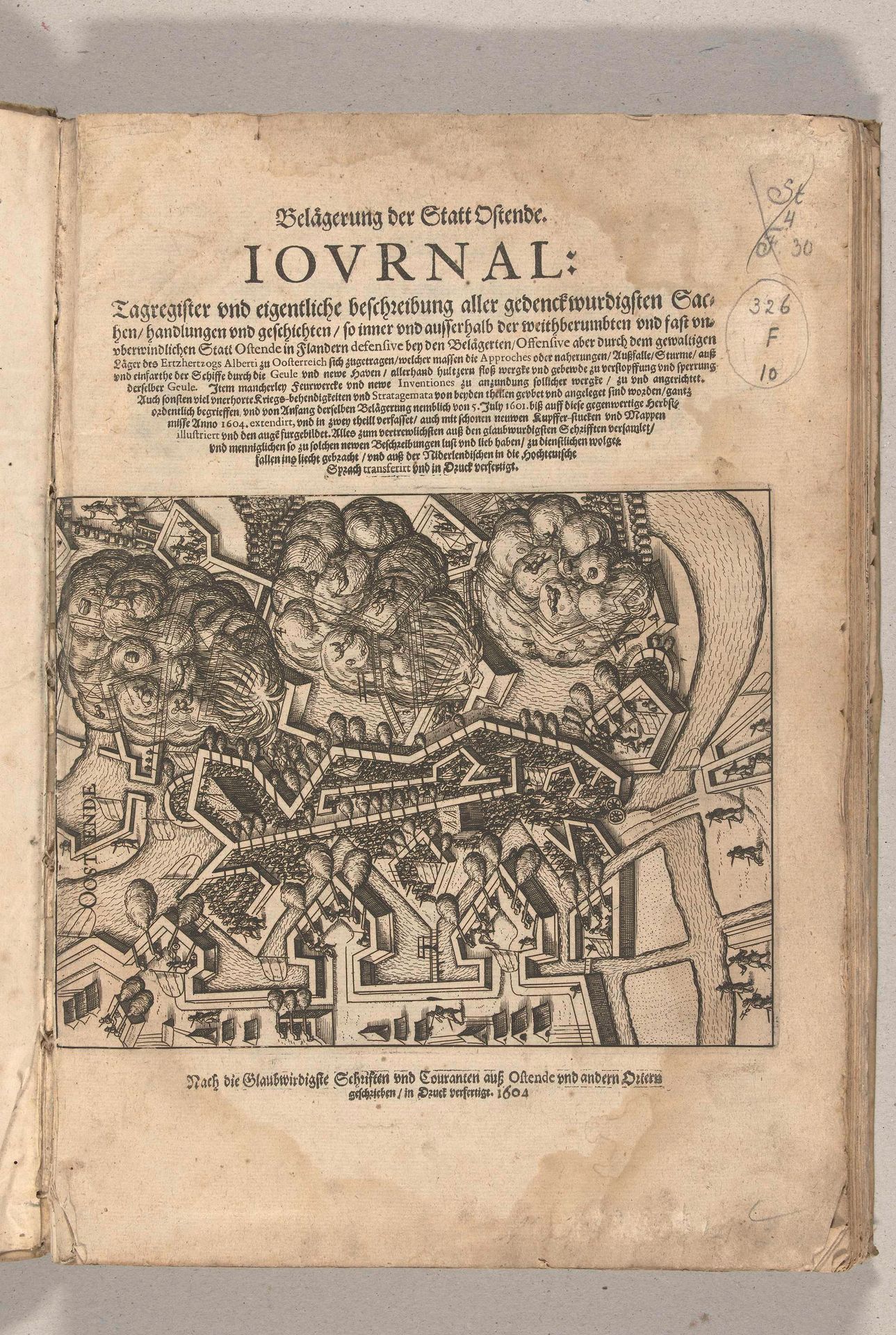
This anonymous print from 1604 depicts the siege of Ostend, dominated by vivid explosions and fortifications, symbols of the relentless conflict. These dramatic puffs of smoke, rendered with an almost organic vitality, echo similar motifs found in battle scenes throughout art history. Consider the billowing clouds in Renaissance depictions of classical battles, where smoke and chaos often symbolize both destruction and the sublime power of war. The motif of explosive energy transcends mere historical context, appearing even in religious art to depict divine intervention or moments of transformative revelation, think of the heavens opening. This visual language speaks to our collective memory, a subconscious echo of humanity's fascination with power, destruction, and renewal. In this image, the explosions evoke a primal sense of awe and terror, engaging the viewer on a deeply emotional level. The symbolic use of smoke and explosions, therefore, is not merely a depiction of a historical event, but part of a larger, cyclical progression, continuously resurfacing and evolving across time.
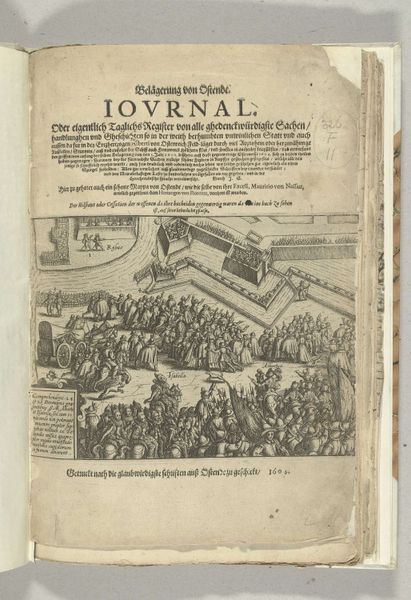
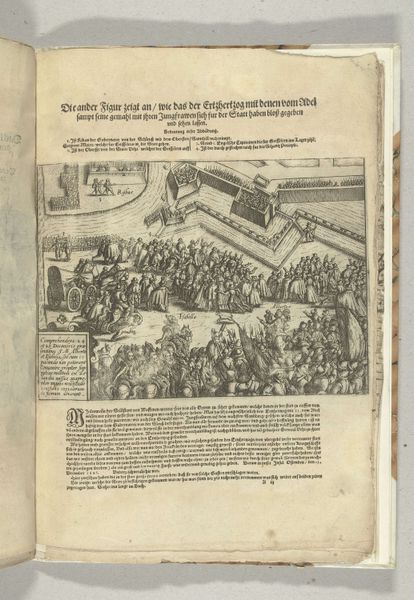
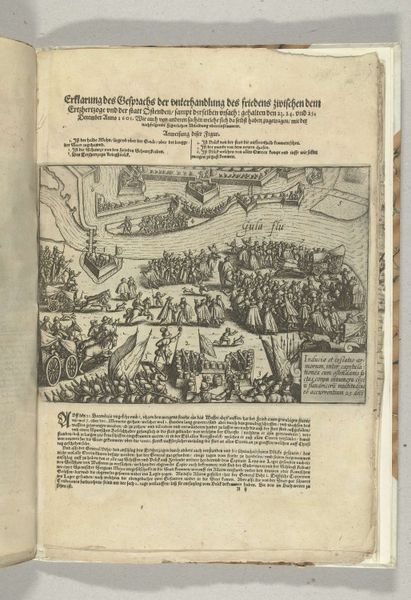
Beleg van Oostende: titelprent met gevechten en ontploffingen onder de bolwerken, 1604
1601 - 1604

Anonymous
@anonymousLocation
RijksmuseumArtwork details
- Medium
- print, engraving
- Dimensions
- height 172 mm, width 225 mm, height 350 mm, width 240 mm
- Location
- Rijksmuseum
- Copyright
- Rijks Museum: Open Domain
Tags
Comments
Share your thoughts
About this artwork
This anonymous print from 1604 depicts the siege of Ostend, dominated by vivid explosions and fortifications, symbols of the relentless conflict. These dramatic puffs of smoke, rendered with an almost organic vitality, echo similar motifs found in battle scenes throughout art history. Consider the billowing clouds in Renaissance depictions of classical battles, where smoke and chaos often symbolize both destruction and the sublime power of war. The motif of explosive energy transcends mere historical context, appearing even in religious art to depict divine intervention or moments of transformative revelation, think of the heavens opening. This visual language speaks to our collective memory, a subconscious echo of humanity's fascination with power, destruction, and renewal. In this image, the explosions evoke a primal sense of awe and terror, engaging the viewer on a deeply emotional level. The symbolic use of smoke and explosions, therefore, is not merely a depiction of a historical event, but part of a larger, cyclical progression, continuously resurfacing and evolving across time.
Comments
Share your thoughts