About this artwork
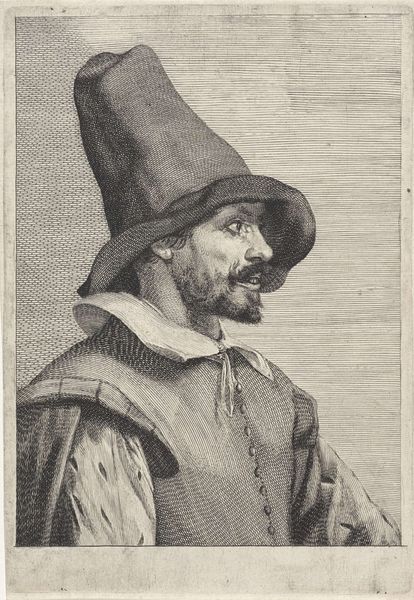
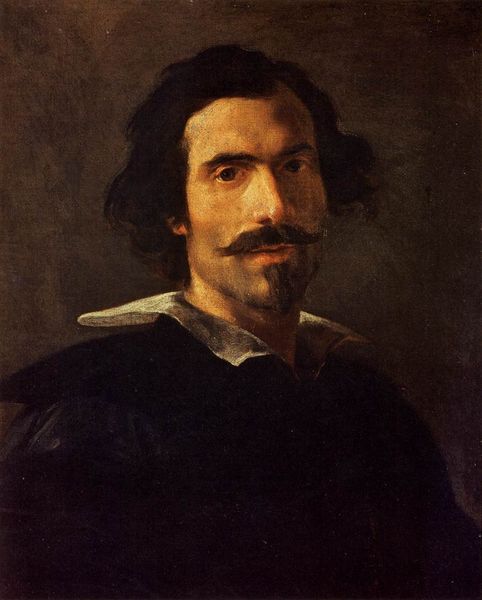
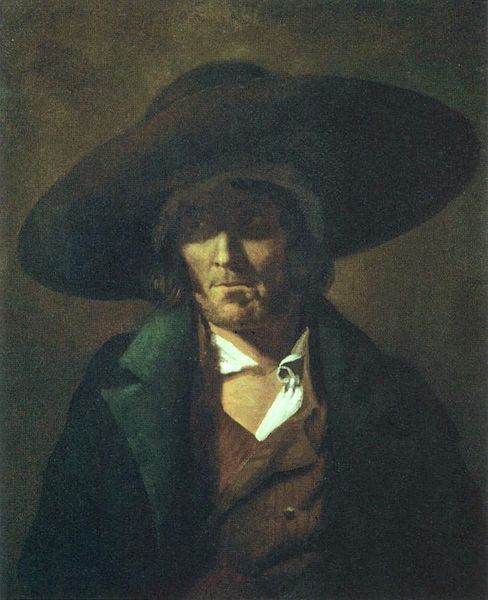
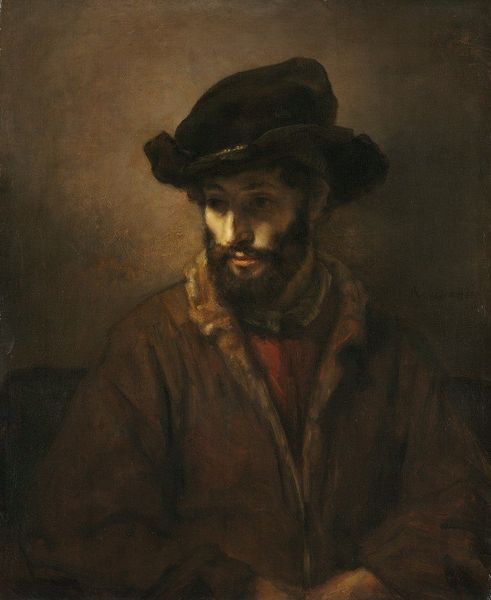
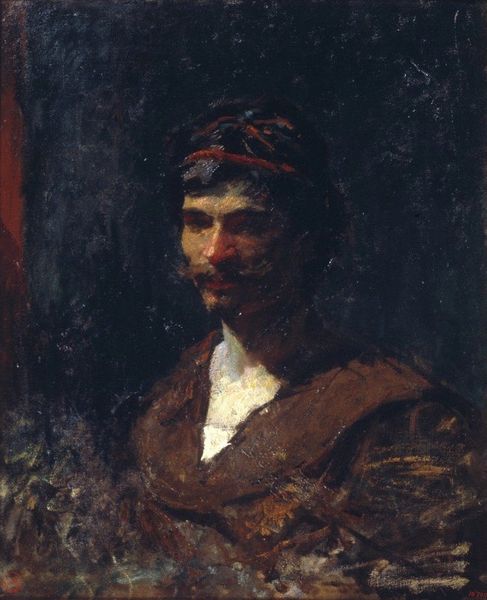
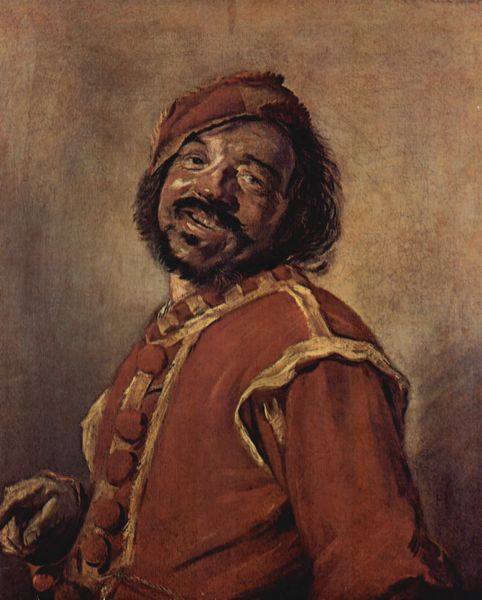
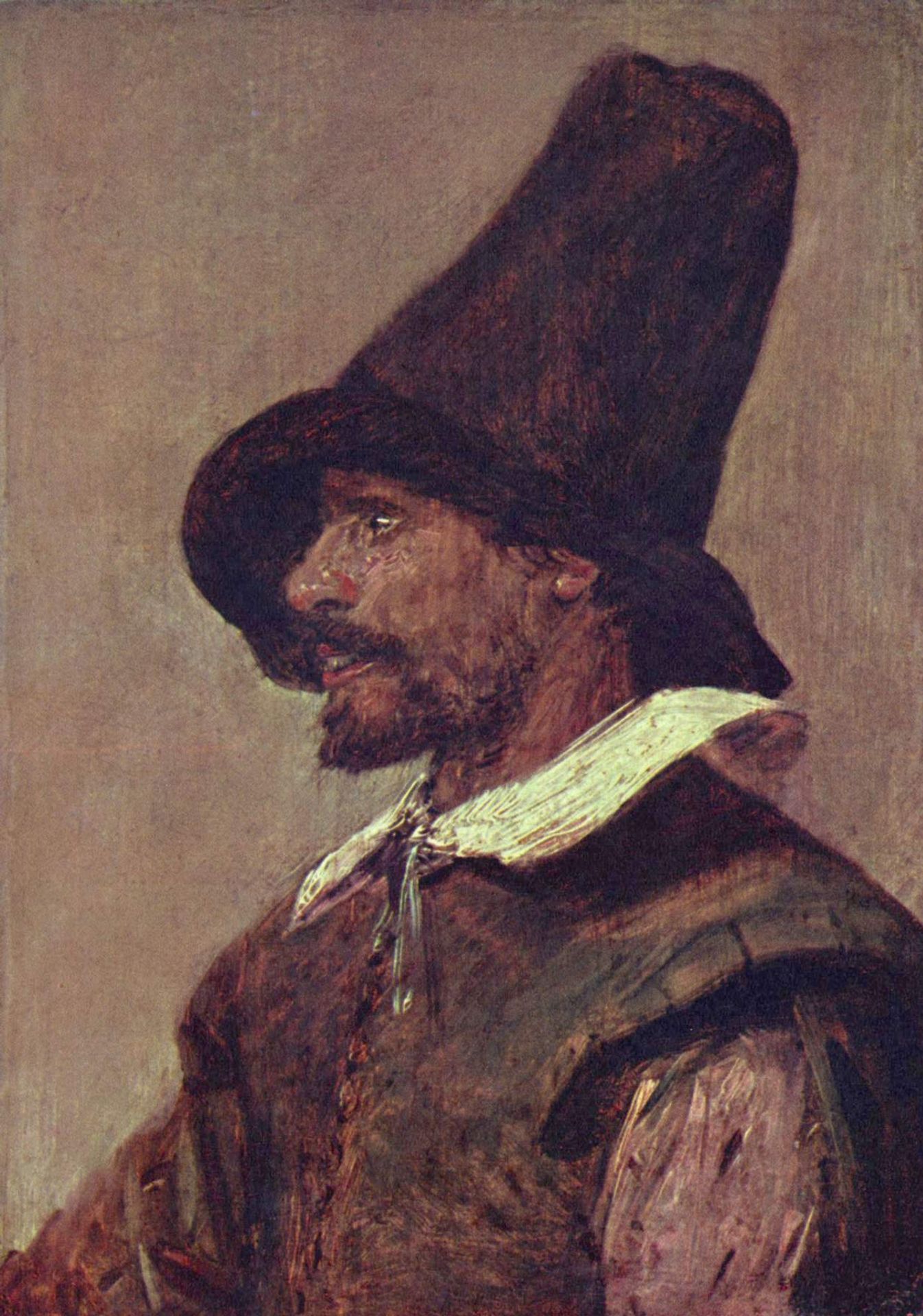
Editor: So, here we have Adriaen Brouwer’s "Portrait of a Man" from 1630, rendered in oil on panel. There’s a melancholy feel to the piece – it makes me wonder about his life. What do you see when you look at it? Curator: Well, I am immediately drawn to the symbolism of his attire. The simple, almost theatrical, collar and the somewhat ludicrously oversized hat. Notice the way Brouwer uses clothing to signal a complex internal state. What kind of memory do you think Brouwer aimed at triggering with the hat and simple lace collar? Editor: Maybe something related to wealth or class? Perhaps aspirations for something more? Curator: Perhaps. And what does the teardrop etched into the face communicate? Does it connect the symbolic with a reality Brouwer is attempting to touch? Editor: The teardrop gives the man vulnerability, in stark contrast to the confident hat and lace collar. It brings it down to earth, like a moment captured in time. It connects deeply with pathos. Curator: Precisely! Think about the Baroque period – a time where artists aimed to evoke emotion. The teardrop becomes a potent symbol in its own right. Editor: That's fascinating. I never considered the teardrop as part of the iconographic symbolism, it all fits. Curator: By understanding Brouwer’s painting through an iconographic lens, we aren't simply viewing a portrait; we're engaging with a constructed identity meant to connect past memory and feelings into present experience. It becomes a study of human expression as seen through both symbolism and realism. Editor: Thanks, seeing how the symbols and the single tear connect really brings it all together. I learned a lot! Curator: Glad to help, and the image remains with us because it reminds us how we look backward and look forward, all at the same time.
Portrait of a Man
1630

Adriaen Brouwer
1605 - 1638
Museum Boijmans Van Beuningen
Museum Boijmans van Beuningen, Rotterdam, NetherlandsArtwork details
- Medium
- painting, oil-paint
- Location
- Museum Boijmans van Beuningen, Rotterdam, Netherlands
- Copyright
- Public domain
Tags
Comments
Share your thoughts
About this artwork
Editor: So, here we have Adriaen Brouwer’s "Portrait of a Man" from 1630, rendered in oil on panel. There’s a melancholy feel to the piece – it makes me wonder about his life. What do you see when you look at it? Curator: Well, I am immediately drawn to the symbolism of his attire. The simple, almost theatrical, collar and the somewhat ludicrously oversized hat. Notice the way Brouwer uses clothing to signal a complex internal state. What kind of memory do you think Brouwer aimed at triggering with the hat and simple lace collar? Editor: Maybe something related to wealth or class? Perhaps aspirations for something more? Curator: Perhaps. And what does the teardrop etched into the face communicate? Does it connect the symbolic with a reality Brouwer is attempting to touch? Editor: The teardrop gives the man vulnerability, in stark contrast to the confident hat and lace collar. It brings it down to earth, like a moment captured in time. It connects deeply with pathos. Curator: Precisely! Think about the Baroque period – a time where artists aimed to evoke emotion. The teardrop becomes a potent symbol in its own right. Editor: That's fascinating. I never considered the teardrop as part of the iconographic symbolism, it all fits. Curator: By understanding Brouwer’s painting through an iconographic lens, we aren't simply viewing a portrait; we're engaging with a constructed identity meant to connect past memory and feelings into present experience. It becomes a study of human expression as seen through both symbolism and realism. Editor: Thanks, seeing how the symbols and the single tear connect really brings it all together. I learned a lot! Curator: Glad to help, and the image remains with us because it reminds us how we look backward and look forward, all at the same time.
Comments
Share your thoughts