drawing, mixed-media, coloured-pencil, paper
#
drawing
#
mixed-media
#
coloured-pencil
#
arts-&-crafts-movement
#
paper
#
coloured pencil
Dimensions: height 176 mm, width 267 mm, depth 7 mm, width 533 mm
Copyright: Rijks Museum: Open Domain
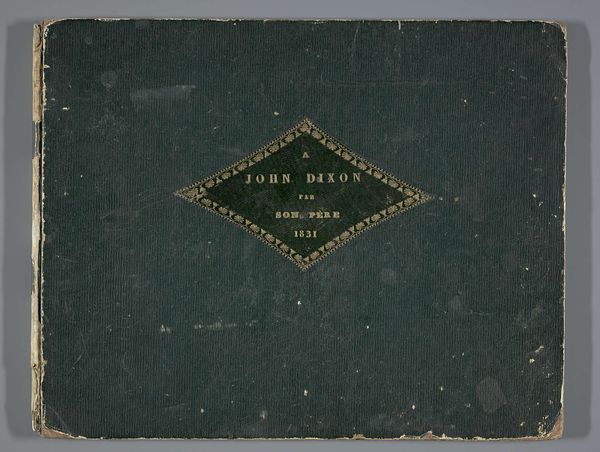
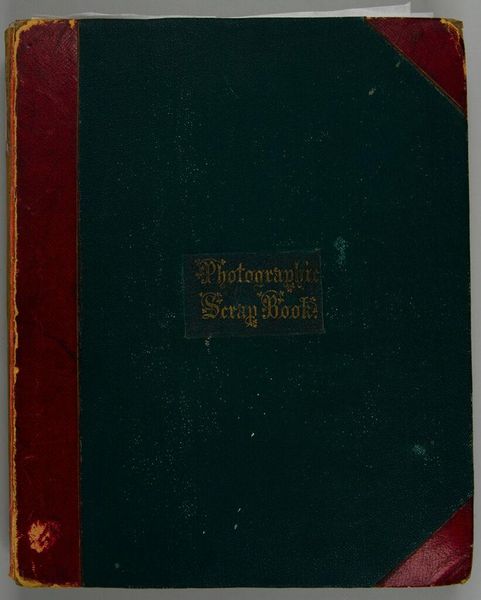
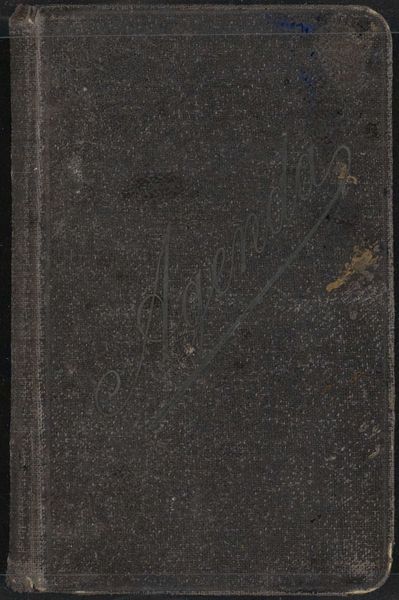
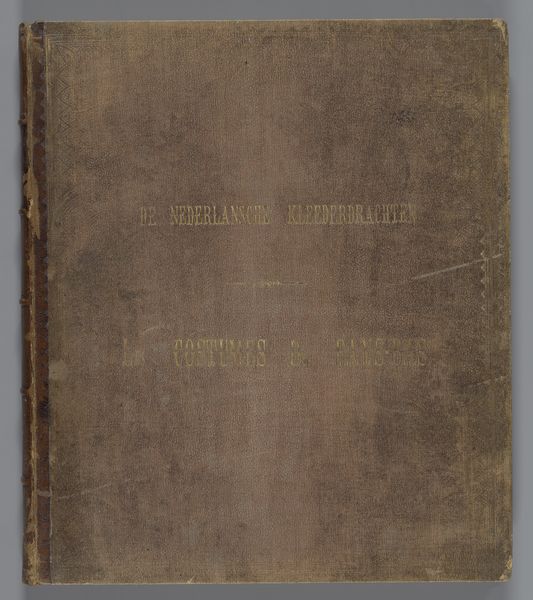
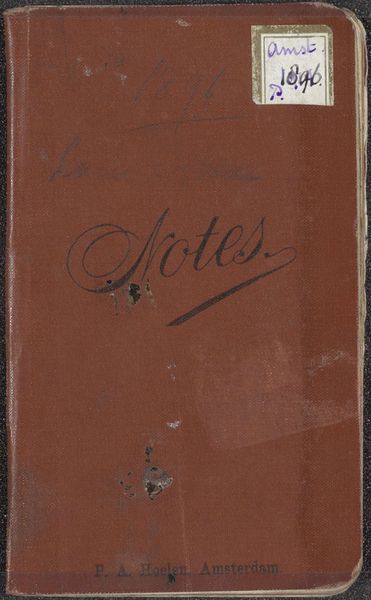
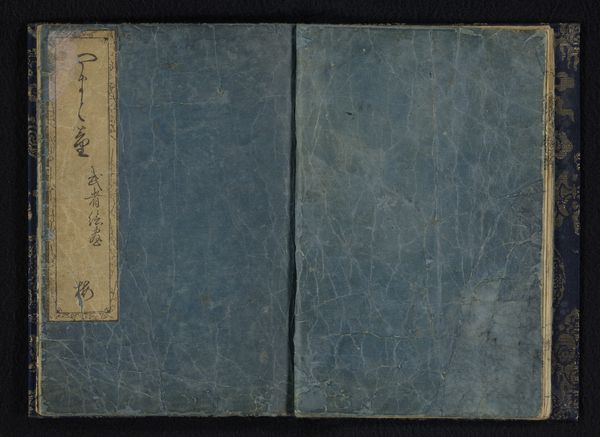
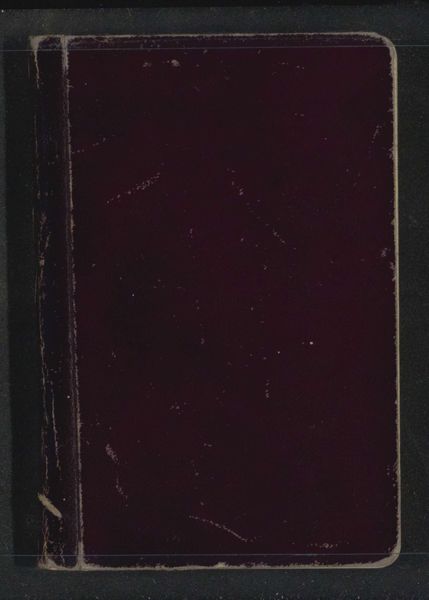
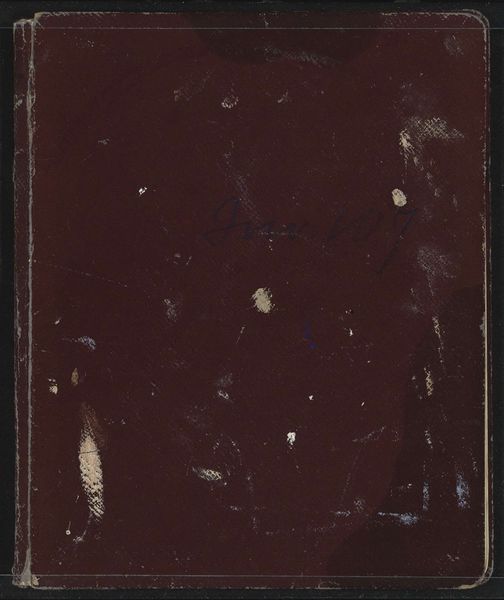
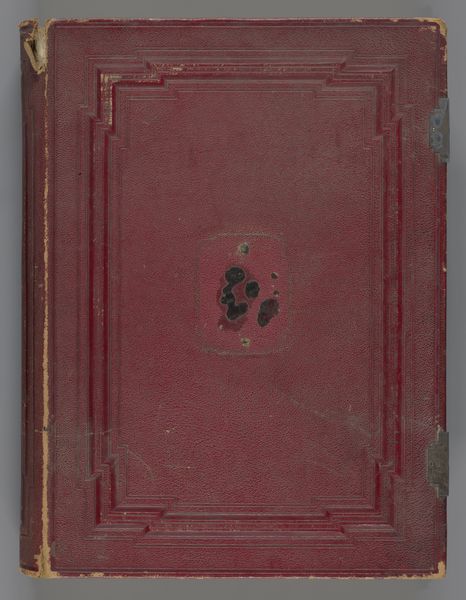
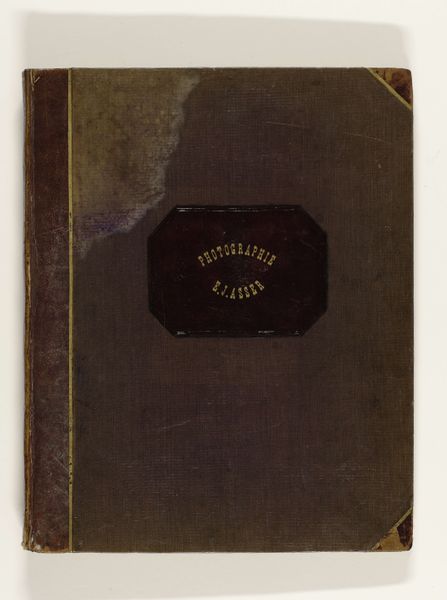
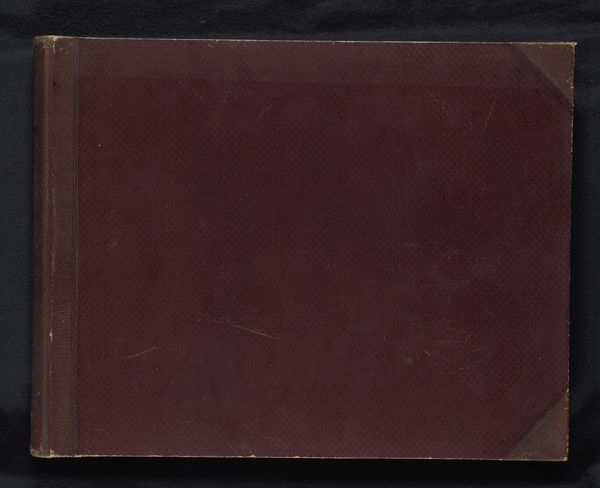
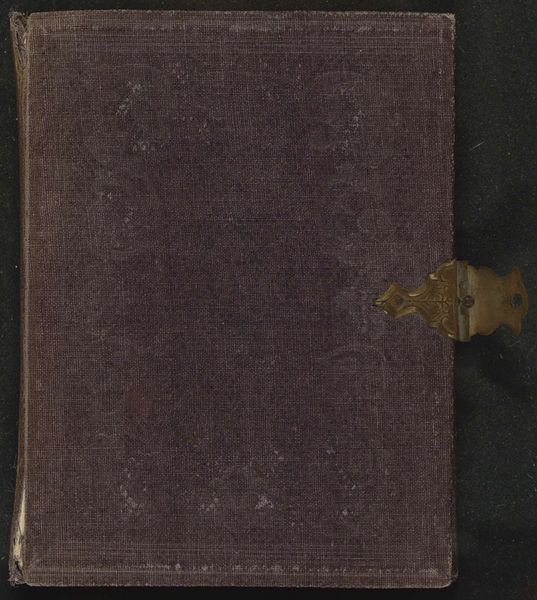
Curator: Examining Carel Adolph Lion Cachet's sketchbook, dating roughly from 1895 to 1900 and utilizing drawing, mixed-media, and colored pencil on paper, we are invited to consider what art is for and where it comes from. Editor: This sketchbook looks so used, almost worn! I’m immediately struck by the texture of the paper and the almost industrial quality of the “Sketches” lettering stamped on the cover. How do you interpret this artifact, considering it was made during the Arts and Crafts movement? Curator: The Arts and Crafts movement really questioned the divide between art and craft, and this sketchbook epitomizes that blurring. Rather than seeing this simply as a repository for artistic ideas, let’s consider its materiality. The used quality points towards the labor of the artist. He wasn’t precious about it; it was a working object. The paper, the colored pencils… how accessible would these have been? Were they mass-produced, or handmade themselves, further collapsing that boundary between art and craft? Editor: That’s fascinating. So you're saying the *means* of production are just as important as the content within the sketchbook itself? Curator: Precisely! What we consume, materially, speaks volumes about the artist's intention, social positioning, and relationship to labor. The book’s survival lets us literally touch the residue of Cachet’s creative processes. The existence and design of the sketchbook itself prompts further reflection of that period of industry. Does this sketchbook exemplify or challenge industrialization, and does Cachet suggest one over the other? Editor: So, by analyzing the physical object – the paper, the pencil marks, even the "Sketches" imprint – we understand not just the artist’s ideas, but his engagement with the means of art production in a changing society? Curator: Exactly! It forces us to consider art not as a purely aesthetic pursuit, but as a product of its time, deeply intertwined with industry, labor, and materials. Editor: This gives me a whole new appreciation for the book. I’ll definitely think about the materials and making next time. Curator: Indeed, and those considerations reveal so much about what artists—and frankly, all of us—do and value.
Comments
No comments
Be the first to comment and join the conversation on the ultimate creative platform.
 Collect
 React
React Comment
More like this