About this artwork
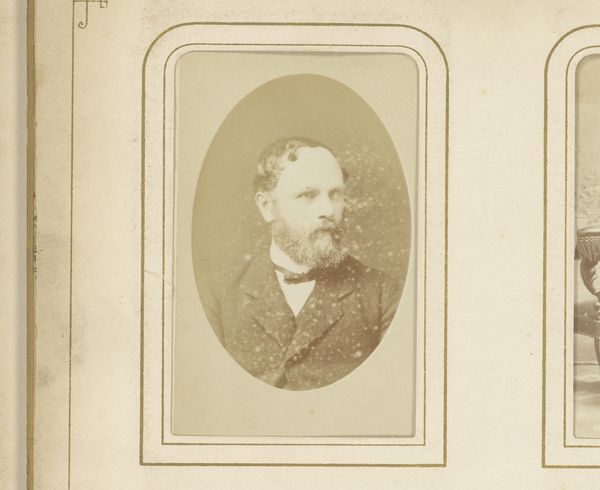
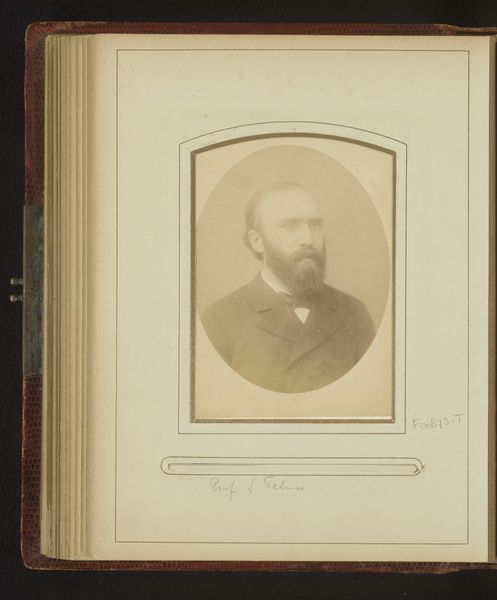
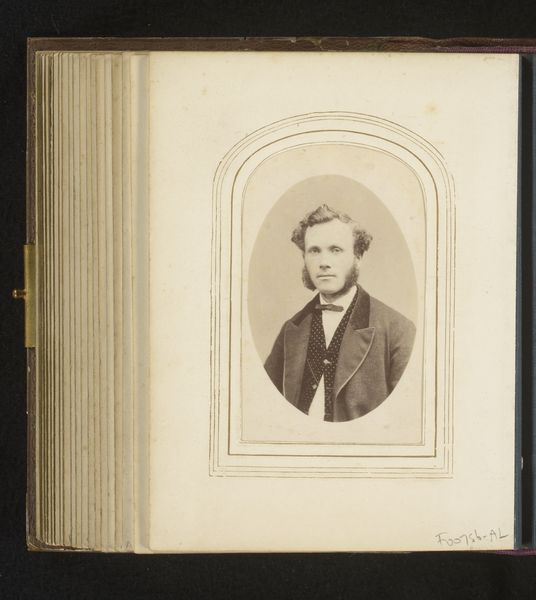
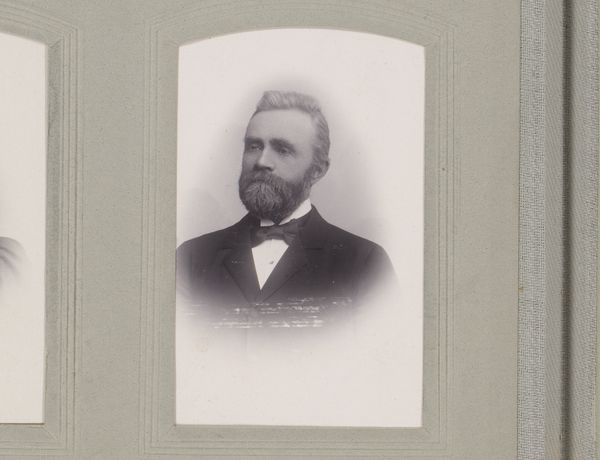
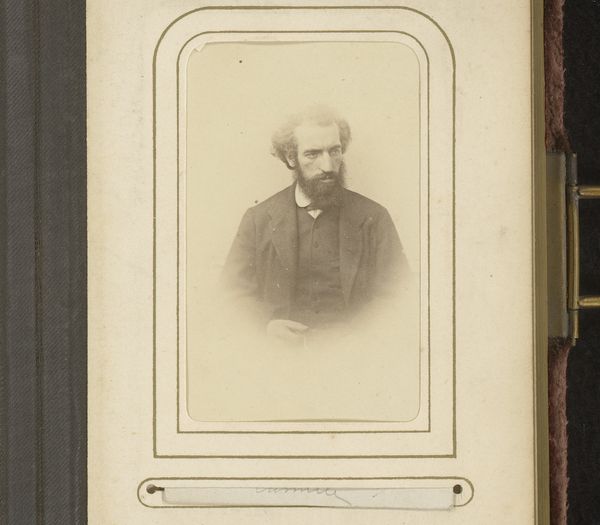
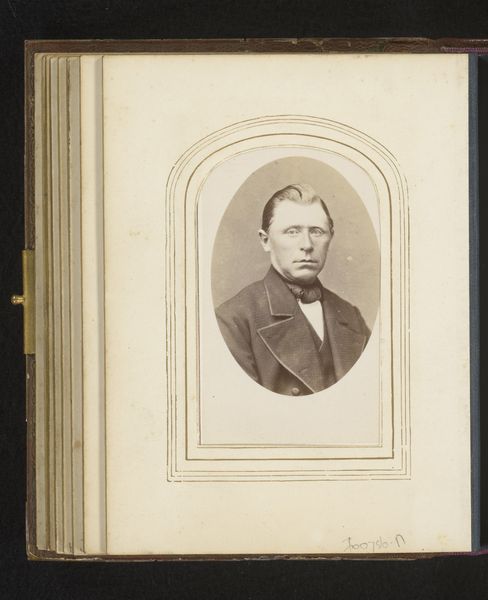
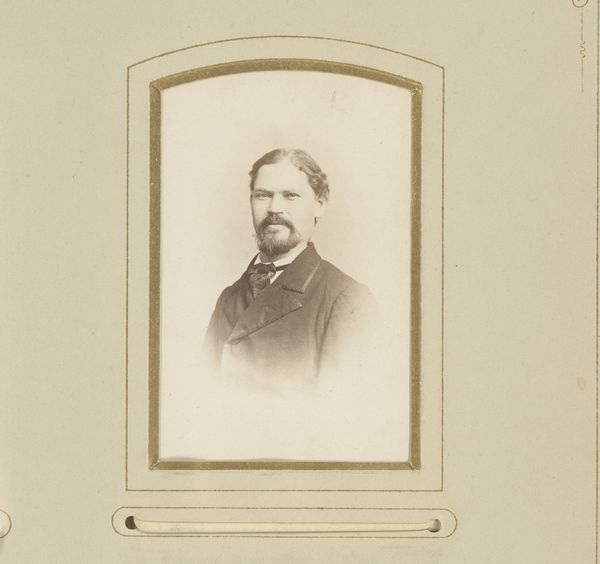
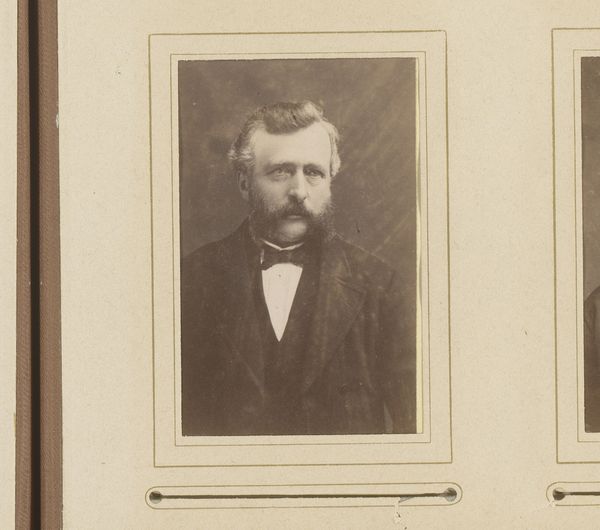
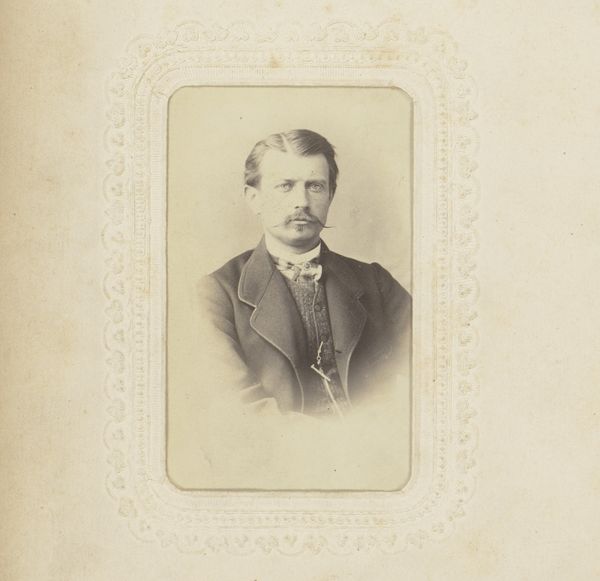
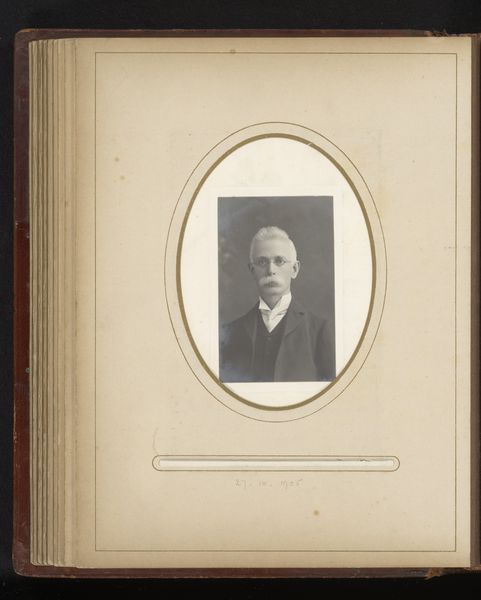
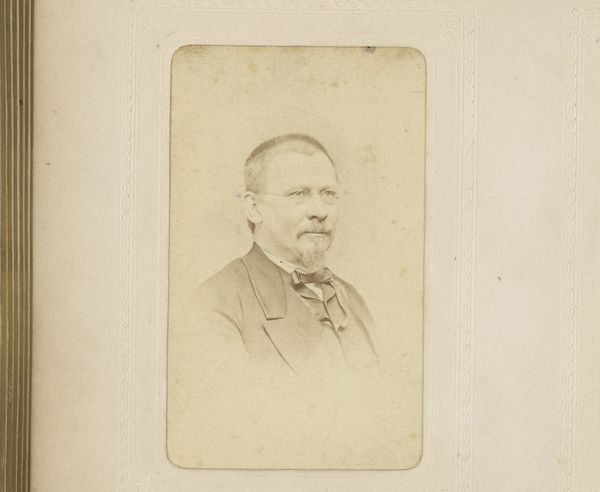
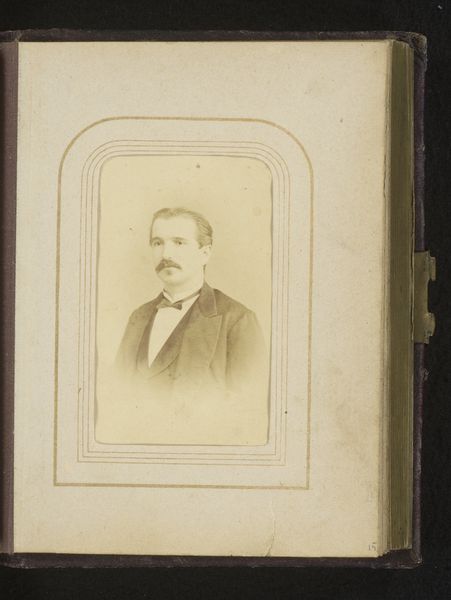
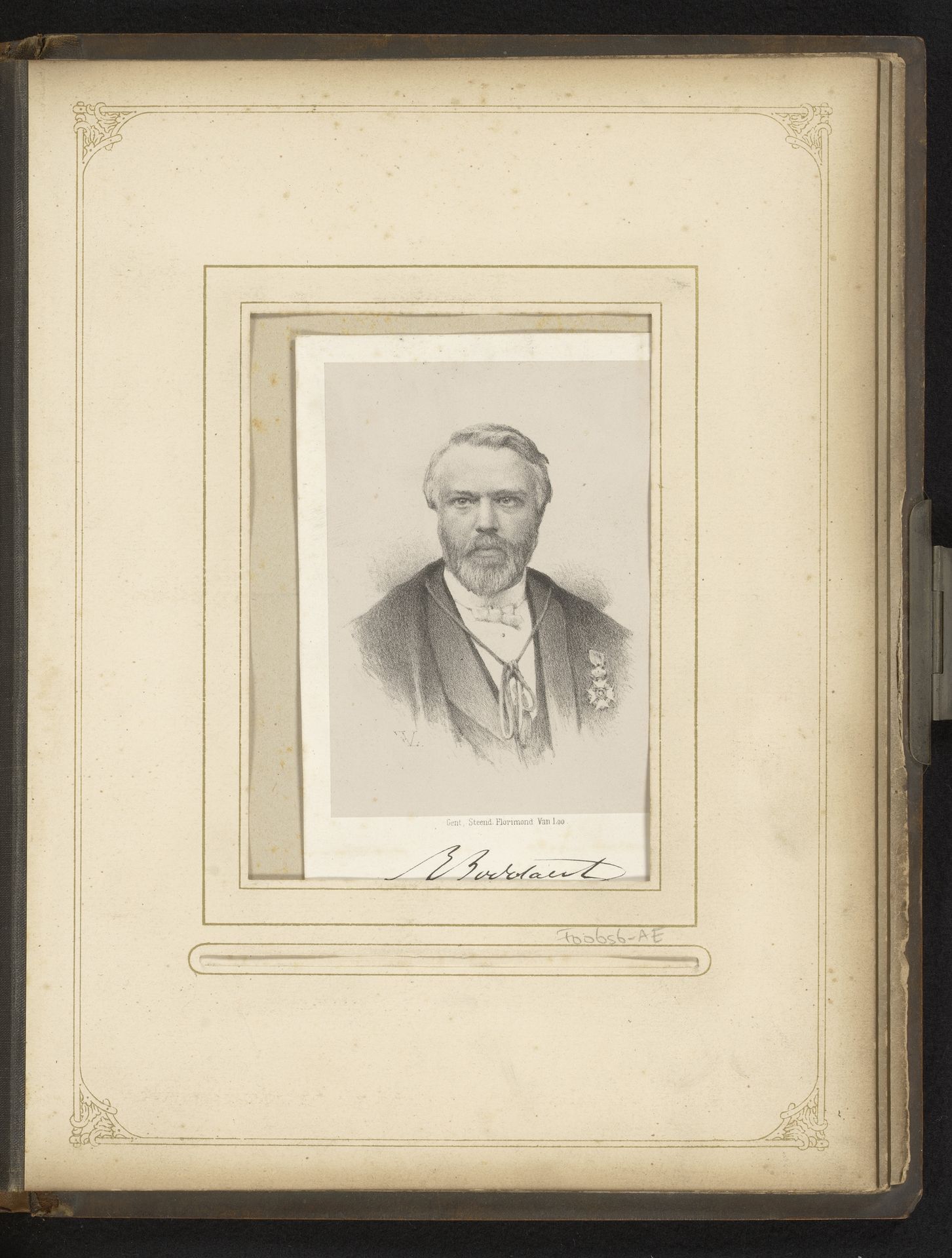
Florimond Van Loo rendered this portrait of a man as an engraving, capturing not just a likeness but a moment in the theater of social identity. Note the medal pinned to his lapel, and the cravat at his neck, each a deliberate symbol. Medals, since antiquity, have signified honor and status, echoing the laurel wreaths of Roman emperors—symbols of achievement and divine favor. Similarly, the cravat, evolving from military neckwear to a fashion statement, speaks of social standing and self-presentation. Consider how such emblems recur across epochs: from Renaissance portraits where finery denotes wealth and power, to modern-day uniforms and corporate attire that signal belonging and authority. These outward signs tap into collective memory, triggering subconscious associations of power and respect. The portrait becomes a stage where identity is performed, engaging us in a psychological dance of recognition and aspiration. The symbolic language evolves, but the underlying human impulse remains constant, resurfacing in new guises throughout history.

Artwork details
- Medium
- drawing, print, photography, graphite
- Dimensions
- height 145 mm, width 96 mm
- Copyright
- Rijks Museum: Open Domain
Tags
portrait
drawing
photography
graphite
watercolor
Comments
No comments
About this artwork
Florimond Van Loo rendered this portrait of a man as an engraving, capturing not just a likeness but a moment in the theater of social identity. Note the medal pinned to his lapel, and the cravat at his neck, each a deliberate symbol. Medals, since antiquity, have signified honor and status, echoing the laurel wreaths of Roman emperors—symbols of achievement and divine favor. Similarly, the cravat, evolving from military neckwear to a fashion statement, speaks of social standing and self-presentation. Consider how such emblems recur across epochs: from Renaissance portraits where finery denotes wealth and power, to modern-day uniforms and corporate attire that signal belonging and authority. These outward signs tap into collective memory, triggering subconscious associations of power and respect. The portrait becomes a stage where identity is performed, engaging us in a psychological dance of recognition and aspiration. The symbolic language evolves, but the underlying human impulse remains constant, resurfacing in new guises throughout history.
Comments
No comments