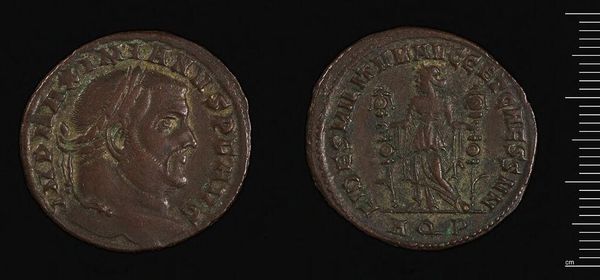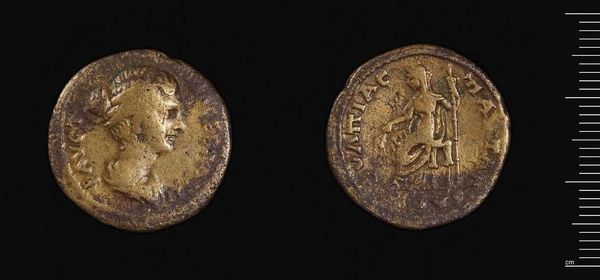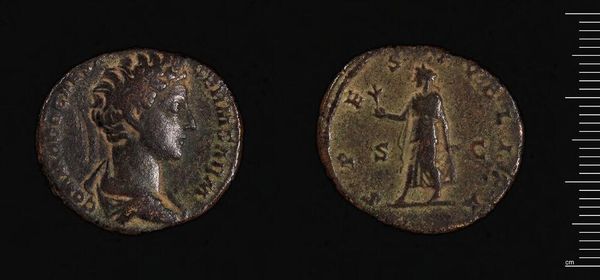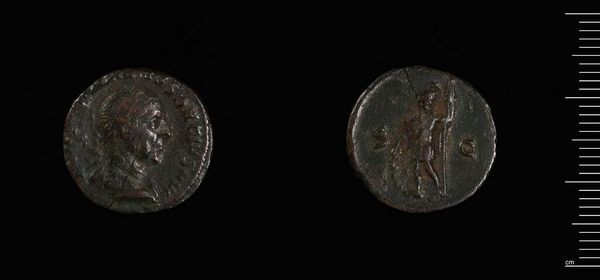
c. 302 - 303
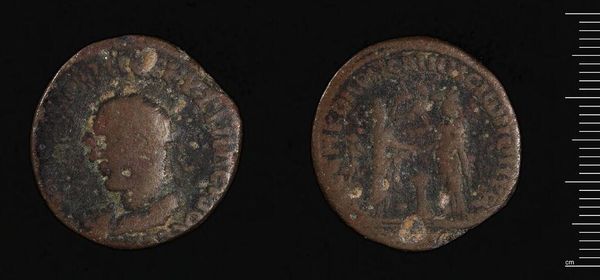
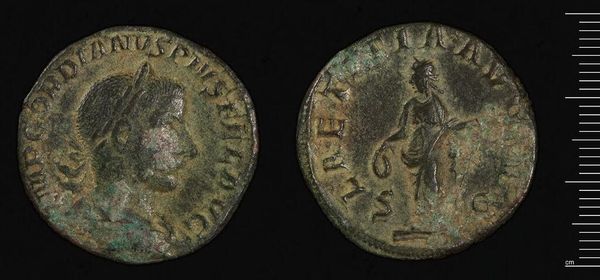
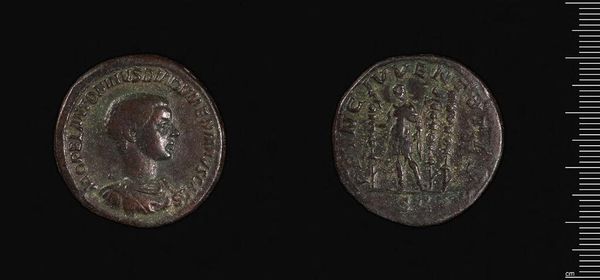
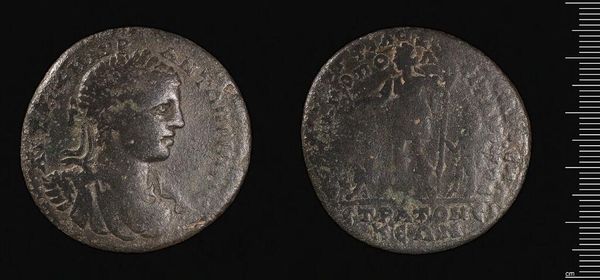
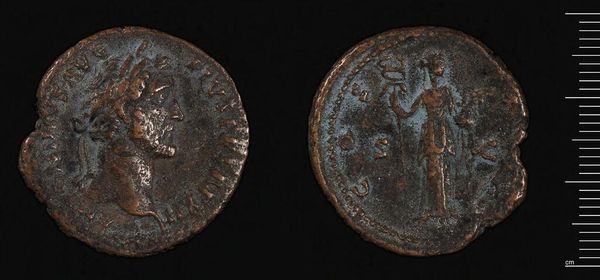
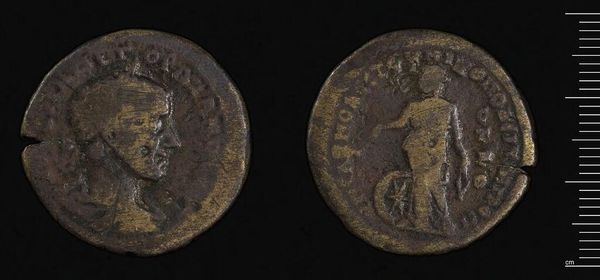
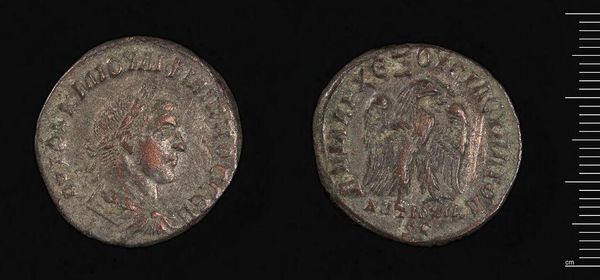
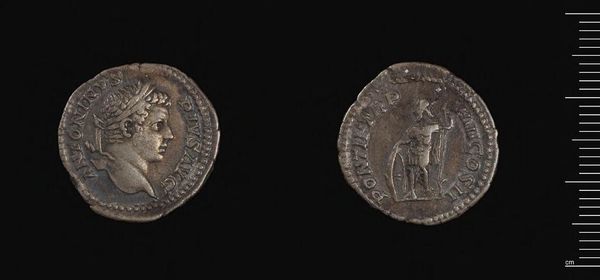
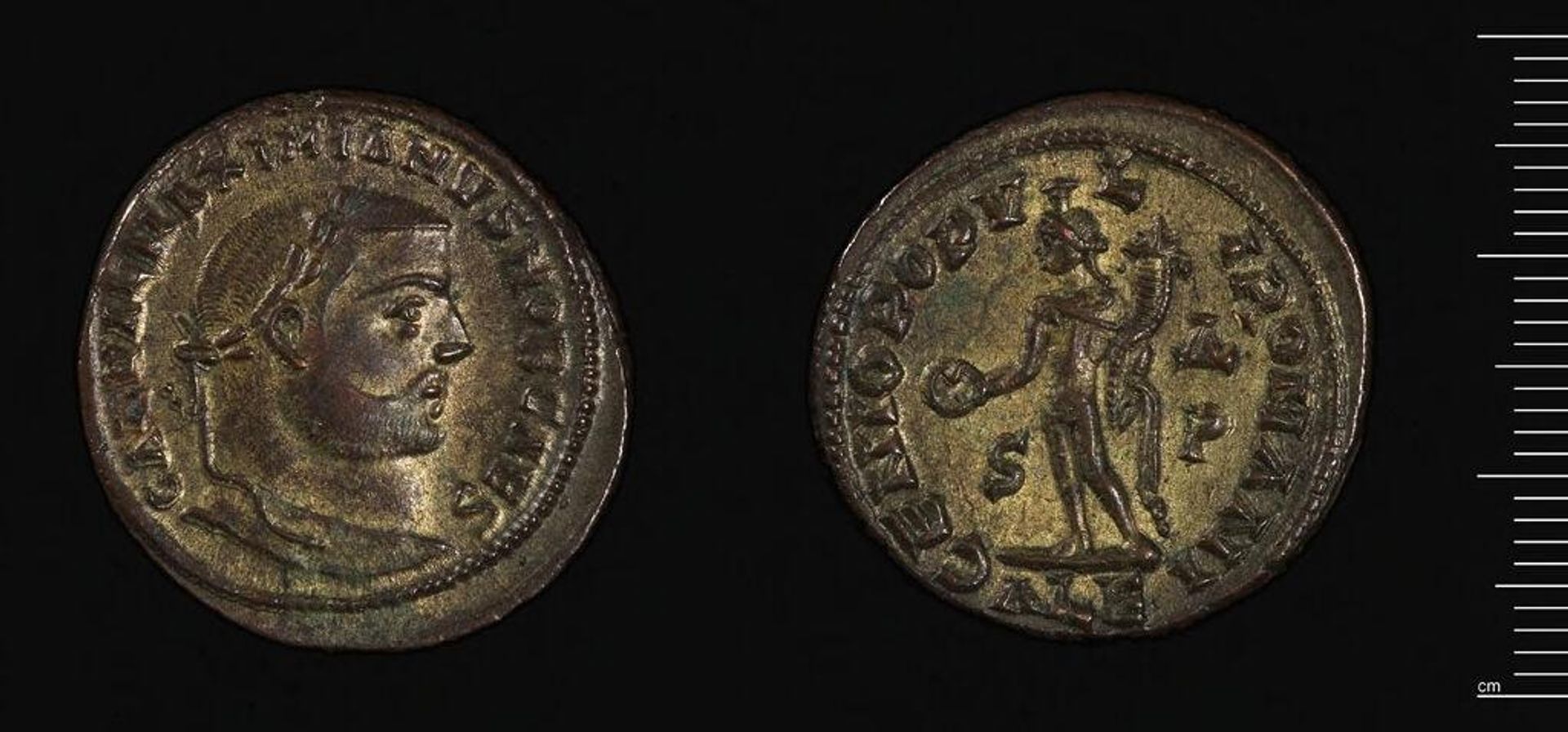
Follis of Galerius Caesar, Alexandria

Listen to curator's interpretation
Curatorial notes
Editor: So, this is a Follis of Galerius Caesar, from Alexandria. Looking at its condition, you really get a sense of how it circulated as an object of exchange. What can you tell me about this coin? Curator: The wear and tear are key. Each scratch, each imperfection, represents a moment of human interaction. It’s not just currency; it's a record of labor, trade routes, and the material realities of the Roman Empire. What was its material composition? Editor: It’s made of bronze. Curator: Precisely. Bronze wasn't just a neutral material; it was tied to specific mining locations, trade networks, and metallurgical processes. The coin's value wasn't solely symbolic, it was rooted in the labor and resources required to produce it. Editor: That’s fascinating; I never considered the connection to labor like that before! Curator: By studying these production aspects, we challenge our ideas of what constitutes "art" and “craft”.