About this artwork
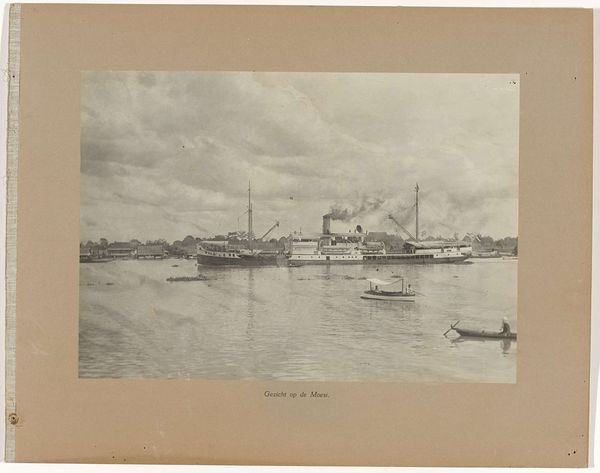
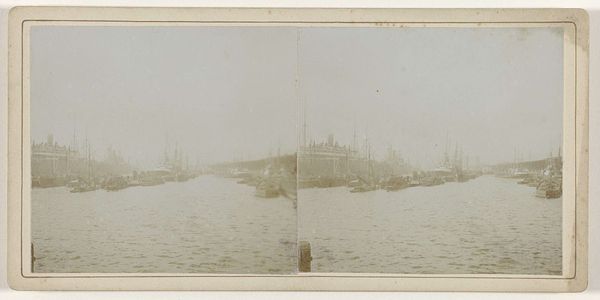
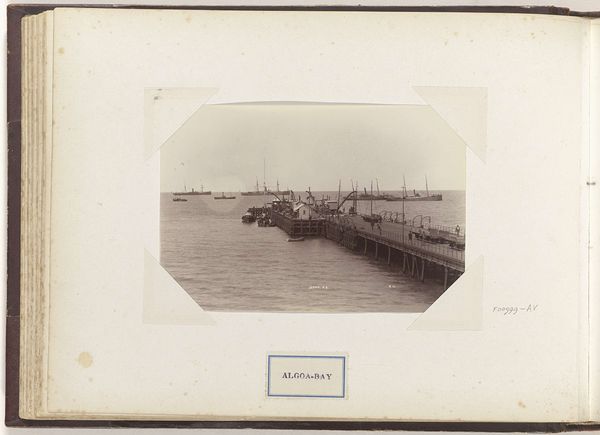
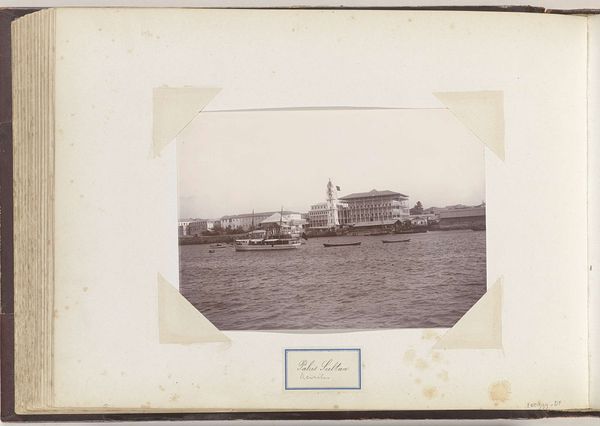
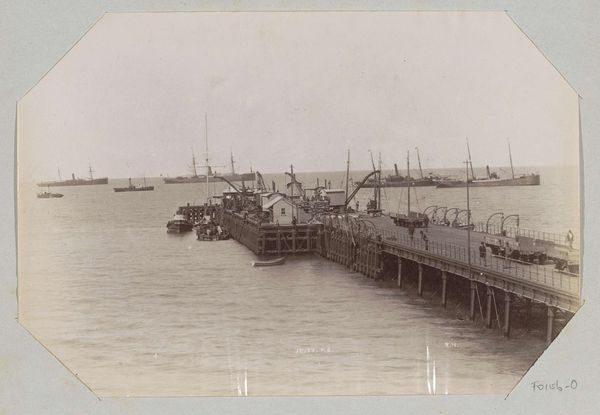
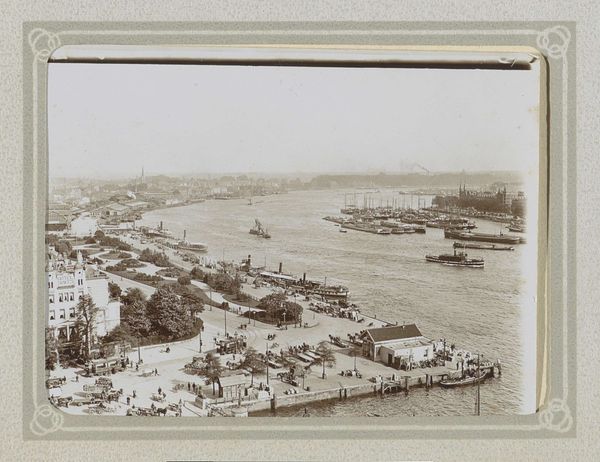
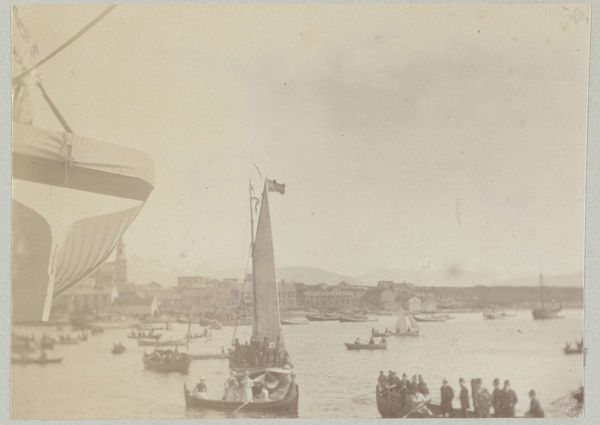
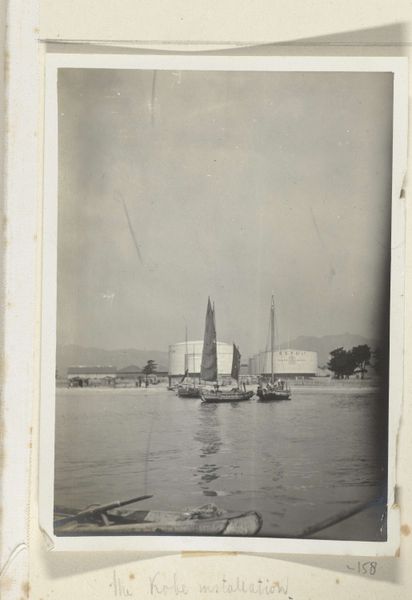
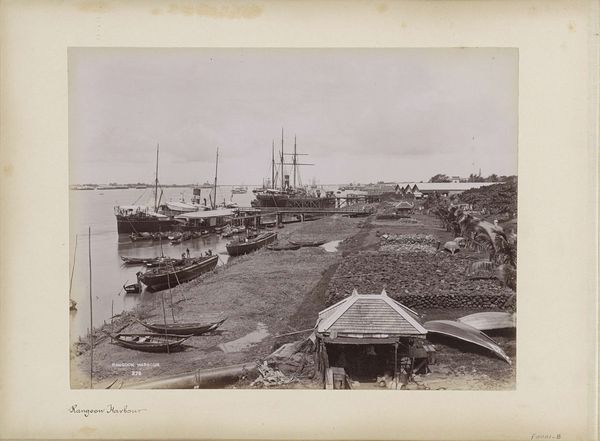
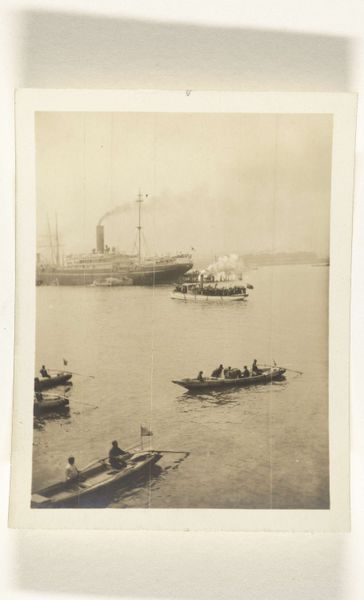
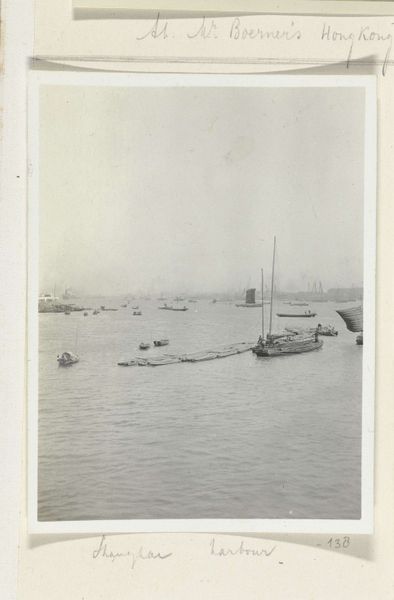
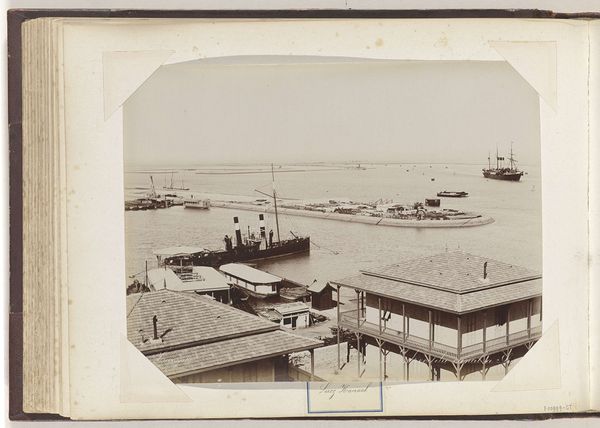
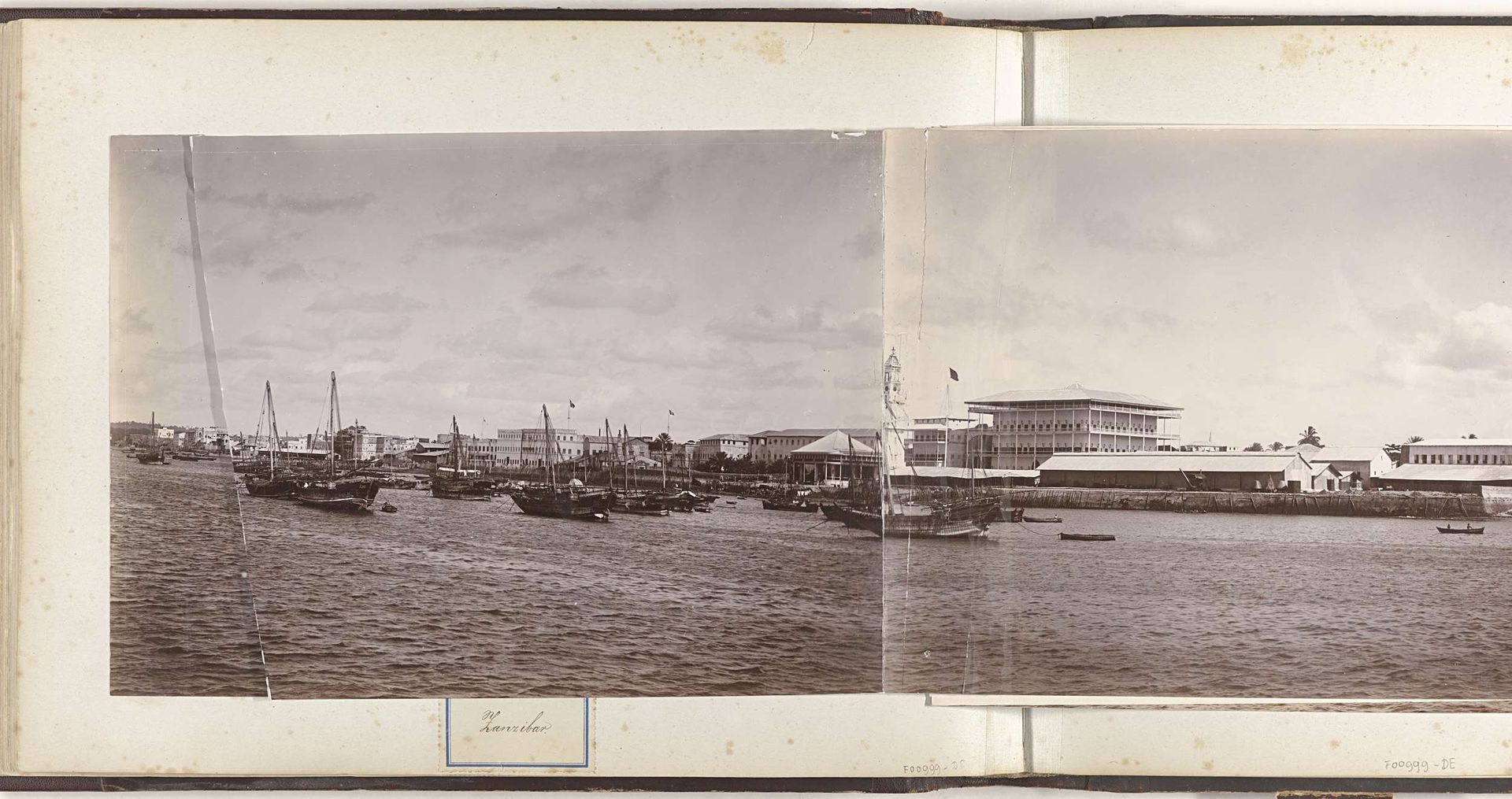
This expansive view of Zanzibar's harbor was captured by the Coutinho Brothers, likely in the late 19th or early 20th century, through photographic means. The photograph, itself a product of developing industrial technology, shows a busy port. Numerous dhows, traditional sailing vessels, fill the scene, their wooden hulls and masts crafted through generations of shipbuilding knowledge. These boats, along with the buildings on the shore, were vital to the island's economy. The picture serves as a record of Zanzibar as a busy hub for trade, as well as the materials passing through it. Consider the labor involved in building and maintaining these ships, and the global trade networks they sustained. This image is not just a pretty picture; it's a window into the complex social and economic systems at play during that era. It encourages us to think about the relationship between materials, making, and the broader world.

Artwork details
- Medium
- photography, gelatin-silver-print
- Dimensions
- height 200 mm, width 1010 mm
- Copyright
- Rijks Museum: Open Domain
Tags
landscape
photography
orientalism
gelatin-silver-print
cityscape
Comments
No comments
About this artwork
This expansive view of Zanzibar's harbor was captured by the Coutinho Brothers, likely in the late 19th or early 20th century, through photographic means. The photograph, itself a product of developing industrial technology, shows a busy port. Numerous dhows, traditional sailing vessels, fill the scene, their wooden hulls and masts crafted through generations of shipbuilding knowledge. These boats, along with the buildings on the shore, were vital to the island's economy. The picture serves as a record of Zanzibar as a busy hub for trade, as well as the materials passing through it. Consider the labor involved in building and maintaining these ships, and the global trade networks they sustained. This image is not just a pretty picture; it's a window into the complex social and economic systems at play during that era. It encourages us to think about the relationship between materials, making, and the broader world.
Comments
No comments