
Curatorial notes
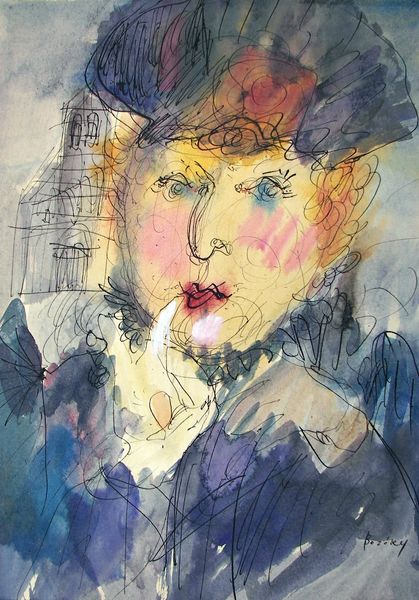
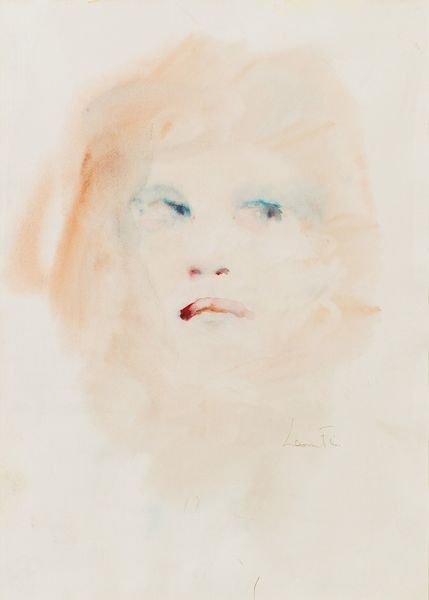
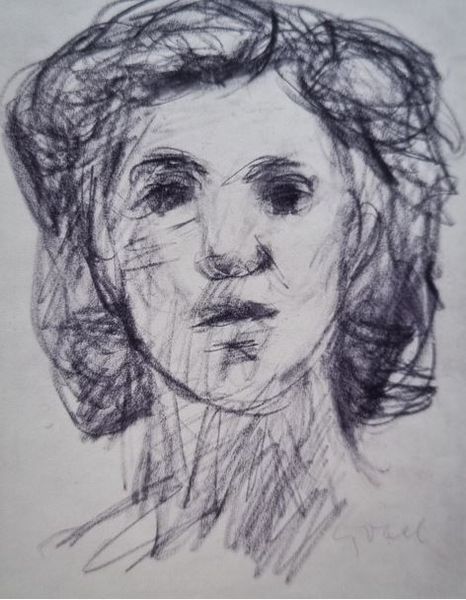
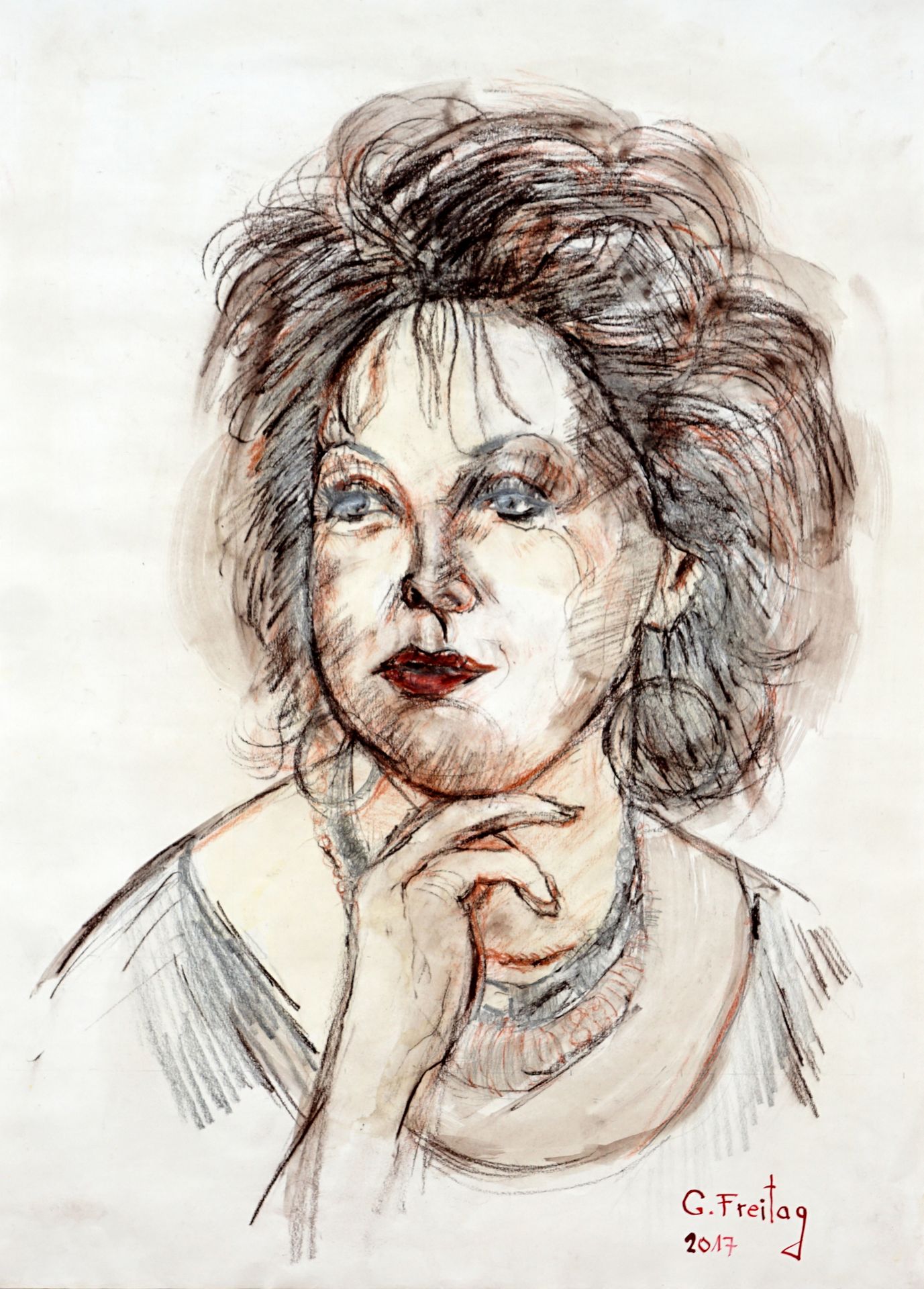
Editor: Here we have "Ajshe Ramadani," a watercolor and pencil drawing by Gazmend Freitag from 2017. It strikes me as a very raw, almost unfinished portrait. The pencil lines are quite visible. What stands out to you about it? Curator: I’m particularly interested in Freitag’s choice of materials and how those relate to labor and access. Watercolor and pencil are relatively accessible mediums, signifying a democratic approach to art making. Is Freitag commenting on the art world’s established hierarchies by consciously choosing commonplace, “lowbrow” materials? Editor: That's an interesting point. I hadn't considered the socio-economic implications of material choice. Do you think that maybe the unfinished aesthetic is an intentional feature, playing on labor? Curator: Exactly! Consider the visible process – the layering of pencil and watercolor, the sketch-like quality. Freitag isn't trying to hide the "work" involved, but rather makes it visible. How might that act as a quiet protest against the idea of art as something effortlessly produced by genius? Is he subtly pushing back on high art, in favor of work rooted in everyday experience? Editor: So you’re saying the artist is deliberately showing the work involved. It makes me rethink about all those “effortless” portraits by famous artists that conceal the steps that it takes to finish a painting. Curator: Yes, and considering the social context, what could be gleaned from this type of portrait in 2017? What narratives about materiality, accessibility, and labor does this portrait potentially engage with? Editor: It gives me a lot to think about, especially the idea of accessibility and deconstructing the myth of effortless creation! Thanks.