About this artwork
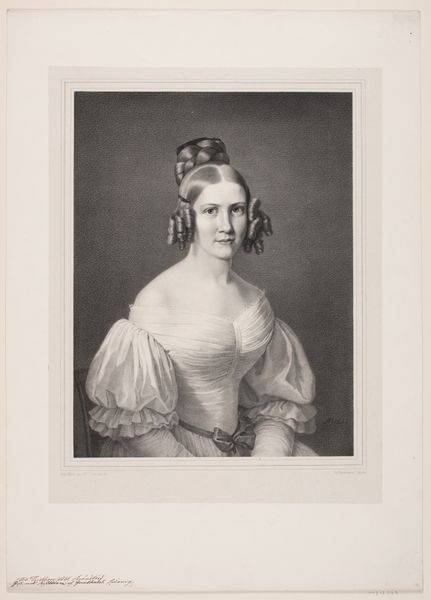
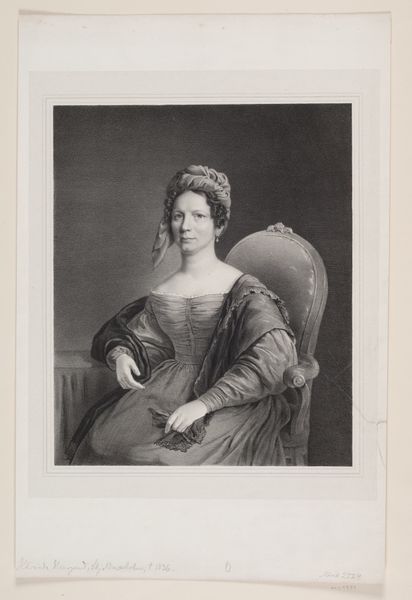
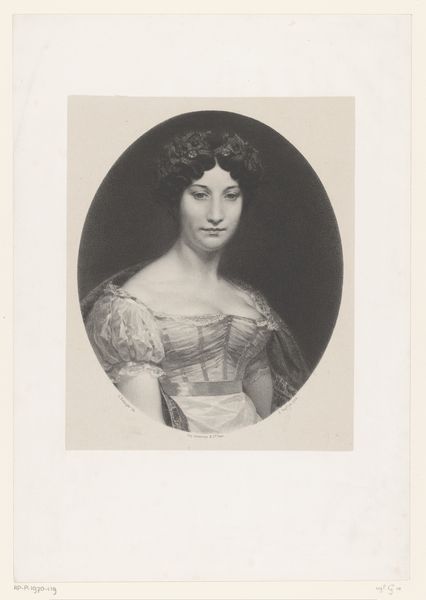
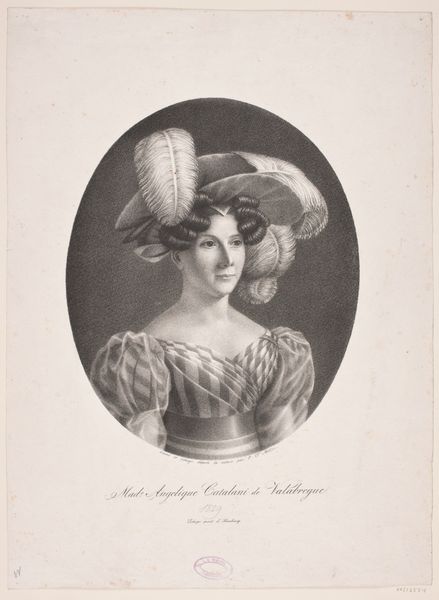
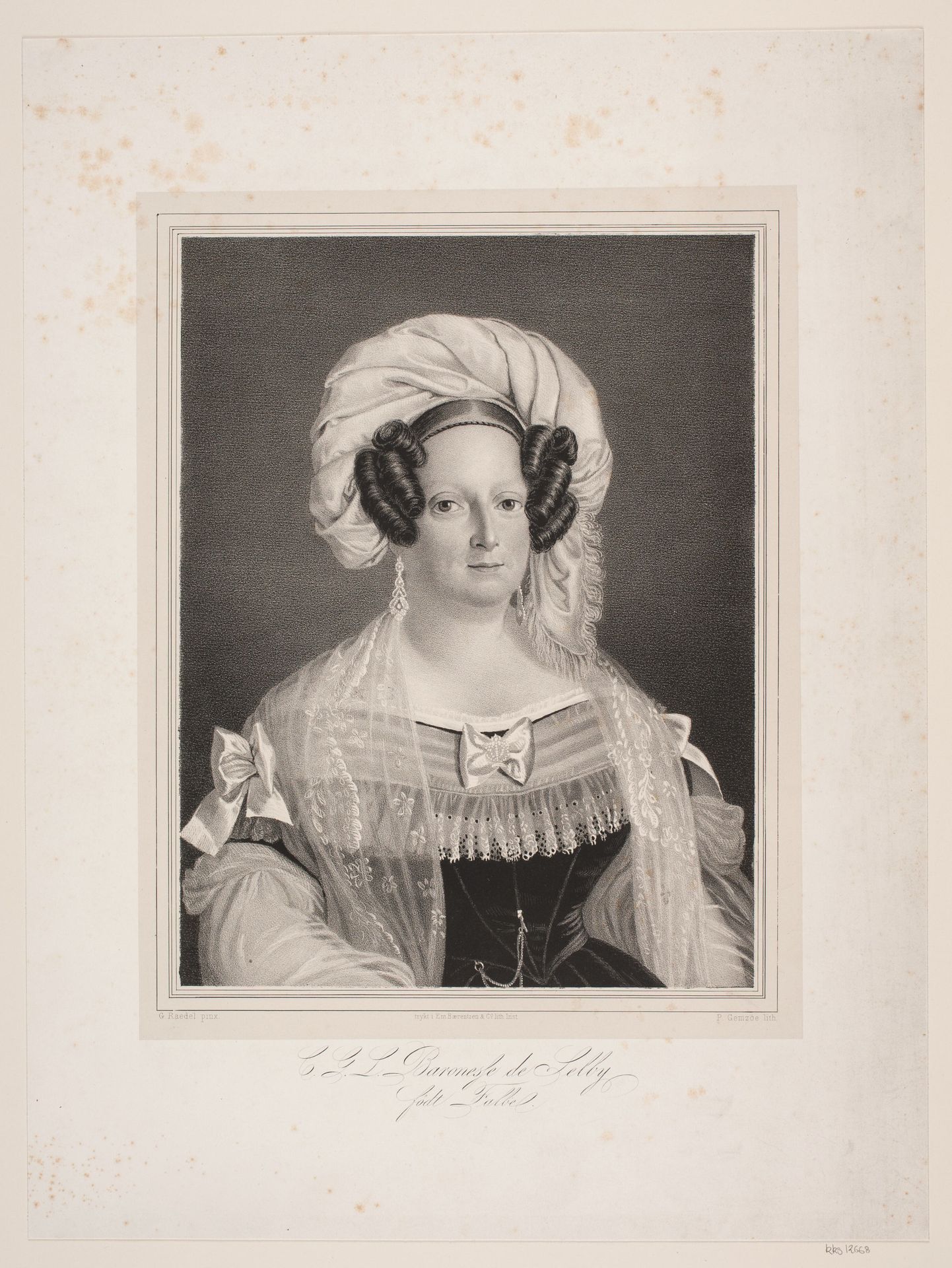
Peter Gemzøe created this portrait of Christiane Baronesse Selby in Denmark using lithography. In portraiture, appearance is everything, especially in the 19th century. The baroness is presented as an ideal of feminine virtue: note the soft lighting and the delicate details of her clothing. This image reflects the values of Denmark's aristocracy. Her elaborate headwear and fine lace shawl display her wealth and status. The portrait subtly reinforces the social hierarchy of the time, with its emphasis on elegance and refinement. Understanding this portrait requires attention to the historical context in which it was made. By consulting archival records, fashion history, and social histories, we can begin to understand what the portrait reveals about the sitter and the society she inhabited. The meaning of art is always contingent on its social and institutional context.
Christiane Baronesse Selby 1811 - 1842


Artwork details
- Medium
- lithograph, print
- Dimensions
- 329 mm (height) x 256 mm (width) (billedmaal)
- Location
- SMK - Statens Museum for Kunst
Tags
portrait
neoclacissism
lithograph
historical photography
romanticism
history-painting
academic-art
Comments
No comments
About this artwork
Peter Gemzøe created this portrait of Christiane Baronesse Selby in Denmark using lithography. In portraiture, appearance is everything, especially in the 19th century. The baroness is presented as an ideal of feminine virtue: note the soft lighting and the delicate details of her clothing. This image reflects the values of Denmark's aristocracy. Her elaborate headwear and fine lace shawl display her wealth and status. The portrait subtly reinforces the social hierarchy of the time, with its emphasis on elegance and refinement. Understanding this portrait requires attention to the historical context in which it was made. By consulting archival records, fashion history, and social histories, we can begin to understand what the portrait reveals about the sitter and the society she inhabited. The meaning of art is always contingent on its social and institutional context.
Comments
No comments