About this artwork
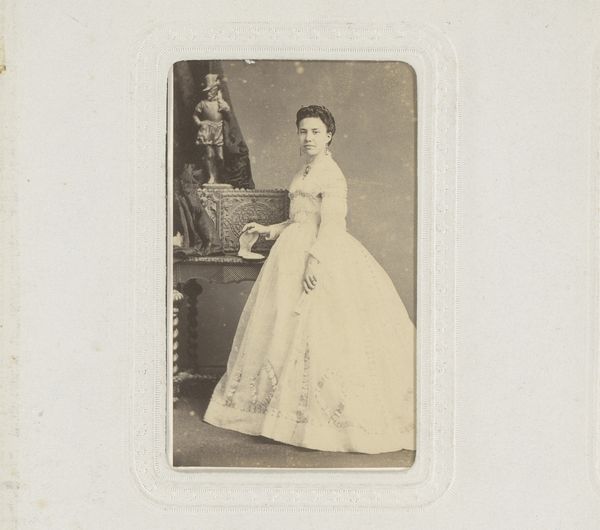
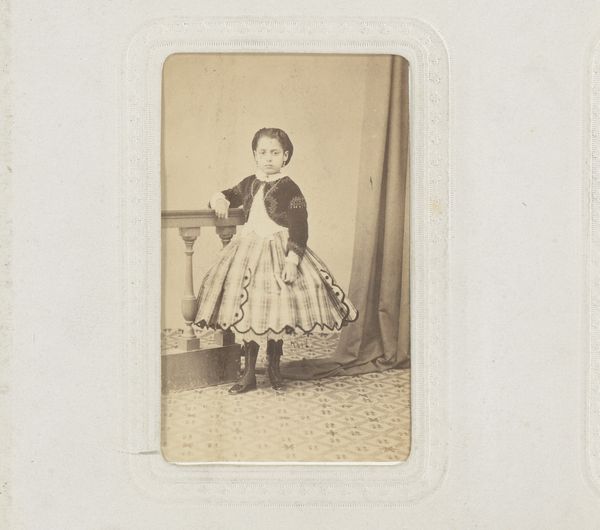
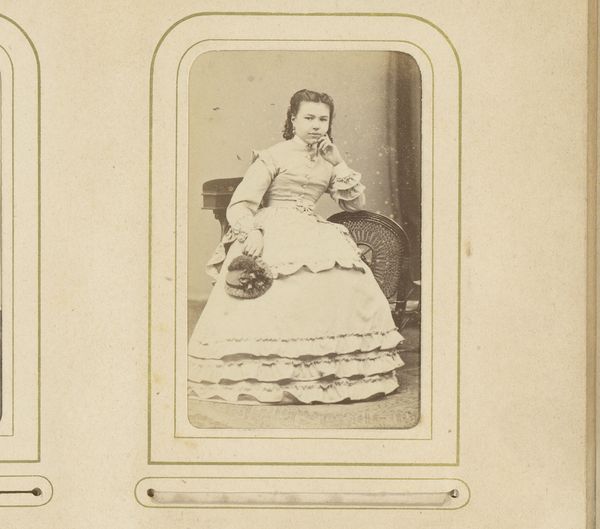
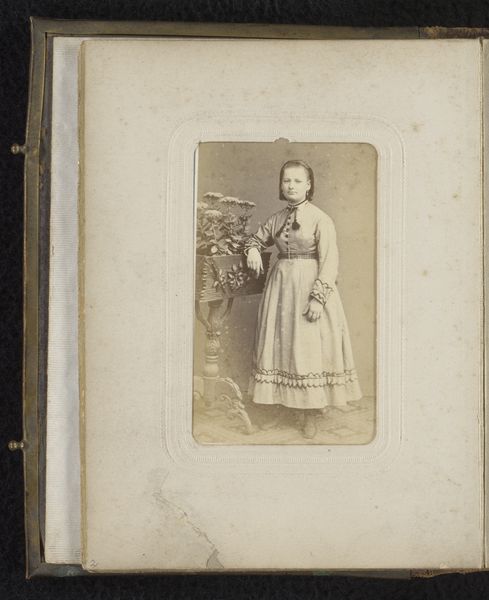
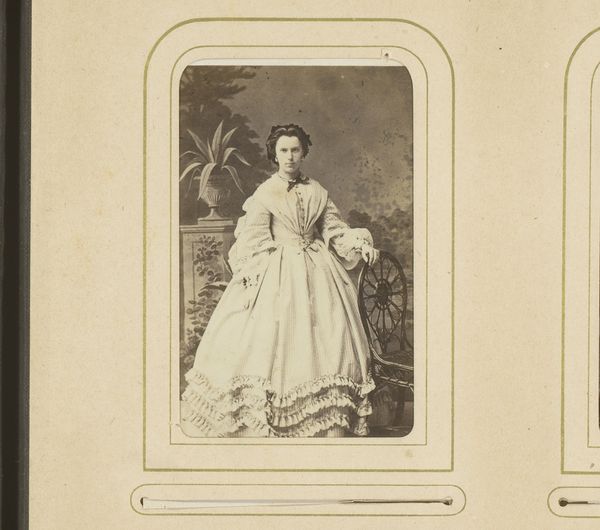
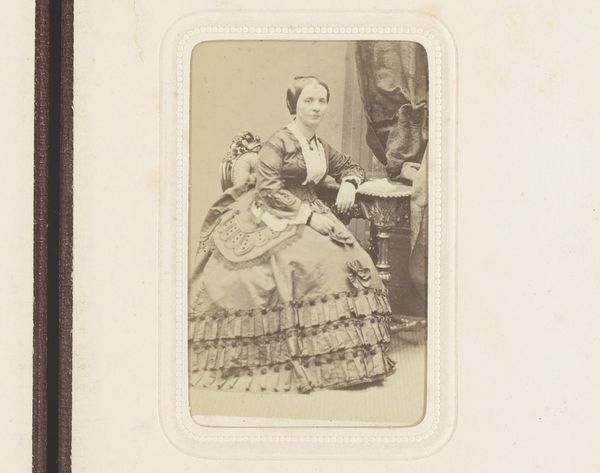
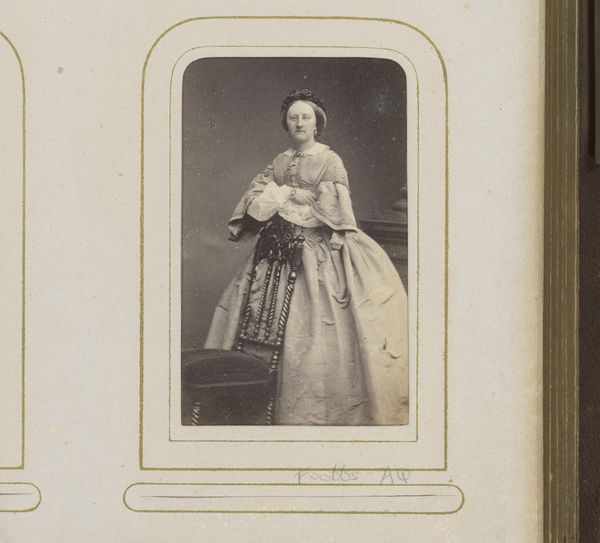
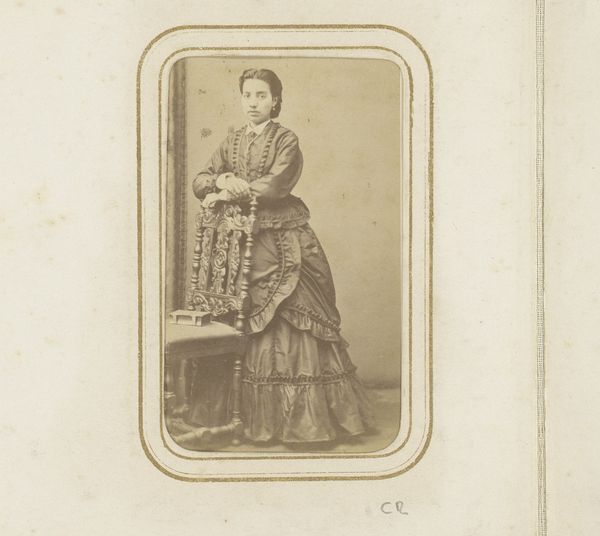
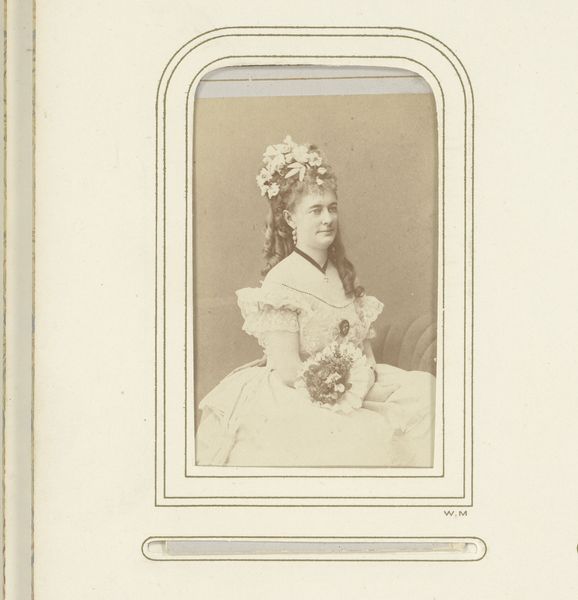
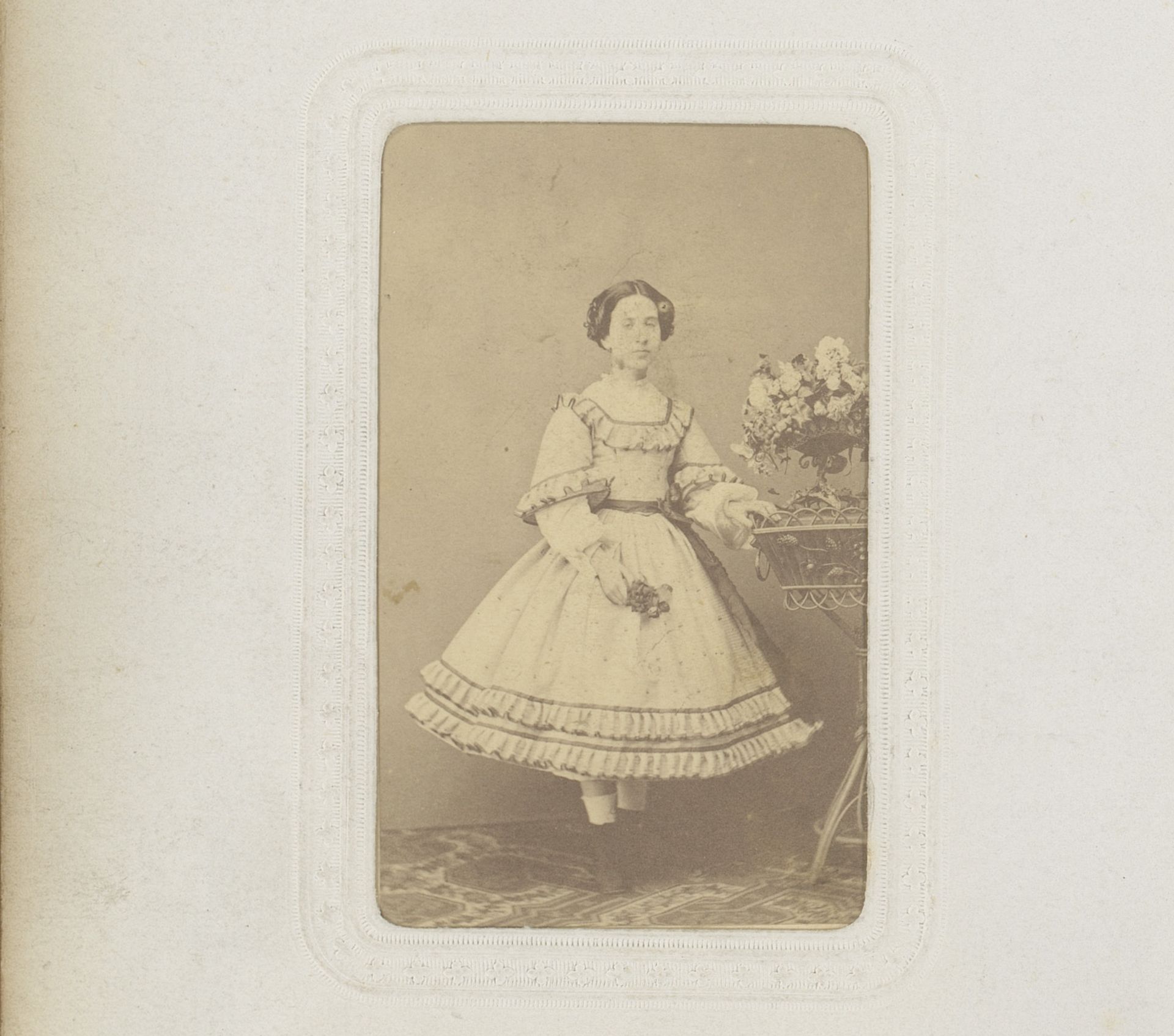
M. de Hebert captured this portrait of a young woman with flowers using photography in the 19th century. In this period photography, as a new medium, was becoming increasingly accessible, influencing portraiture and challenging traditional painting. The portrait follows established visual codes, like the display of wealth and social standing, with the woman’s elaborate dress and the inclusion of flowers as symbols of beauty and refinement. It’s important to situate this photograph within its historical context. Made in the Netherlands, the image reflects the social and economic structures of the time, particularly the rising middle class and their aspirations. Understanding such photographs requires delving into institutional archives, examining the history of photographic studios, and exploring how these images were used and circulated. By exploring these avenues, we can better understand the complex relationship between art, society, and the individual.

Artwork details
- Medium
- photography
- Dimensions
- height 86 mm, width 52 mm
- Copyright
- Rijks Museum: Open Domain
Tags
portrait
aged paper
toned paper
light pencil work
light coloured
photography
personal sketchbook
genre-painting
realism
Comments
No comments
About this artwork
M. de Hebert captured this portrait of a young woman with flowers using photography in the 19th century. In this period photography, as a new medium, was becoming increasingly accessible, influencing portraiture and challenging traditional painting. The portrait follows established visual codes, like the display of wealth and social standing, with the woman’s elaborate dress and the inclusion of flowers as symbols of beauty and refinement. It’s important to situate this photograph within its historical context. Made in the Netherlands, the image reflects the social and economic structures of the time, particularly the rising middle class and their aspirations. Understanding such photographs requires delving into institutional archives, examining the history of photographic studios, and exploring how these images were used and circulated. By exploring these avenues, we can better understand the complex relationship between art, society, and the individual.
Comments
No comments