About this artwork
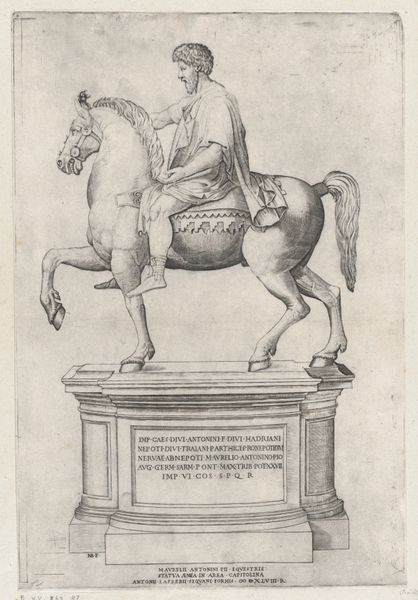
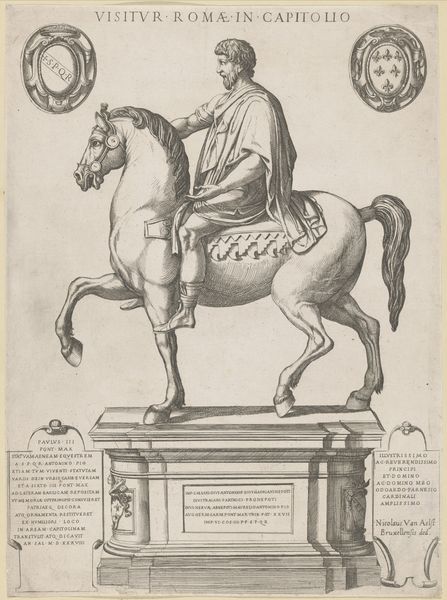
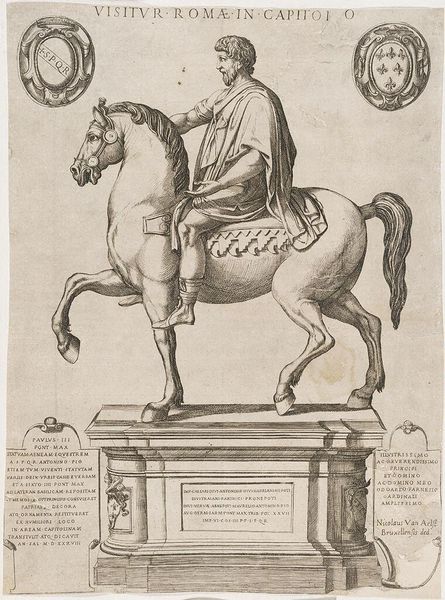
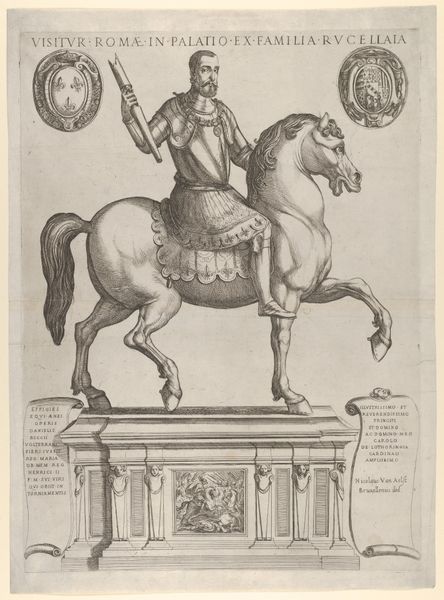
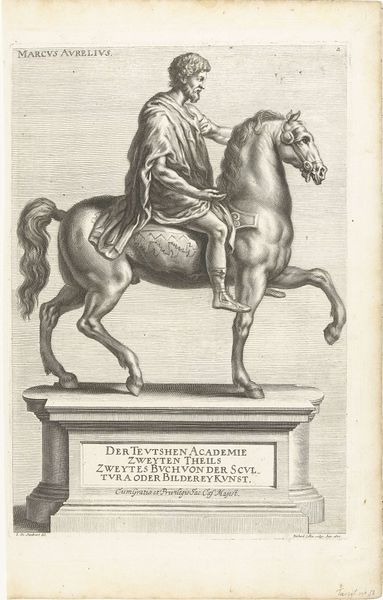
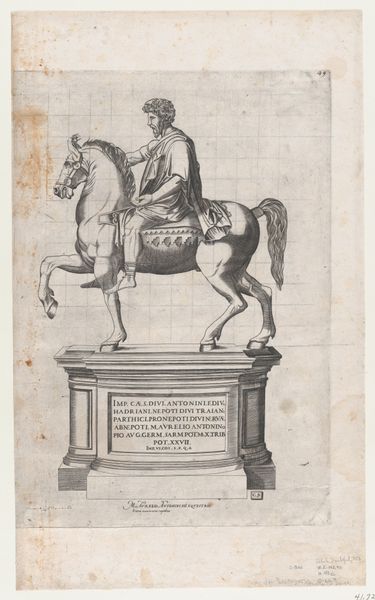
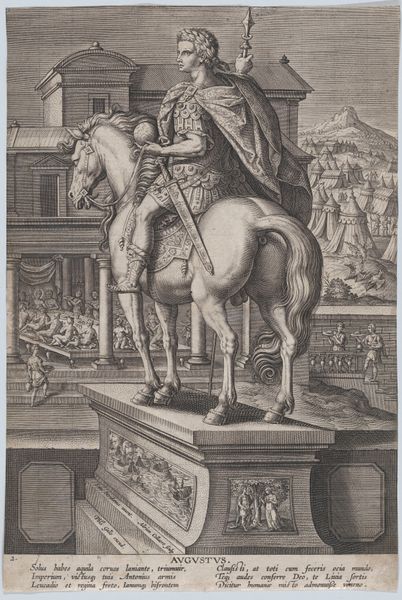
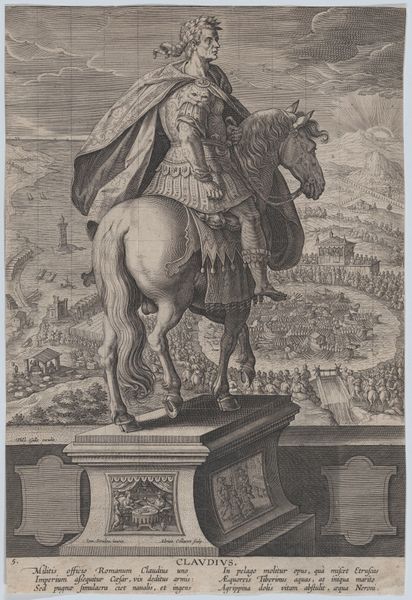
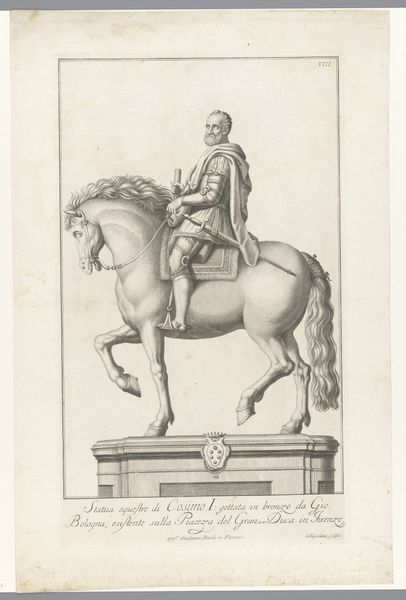
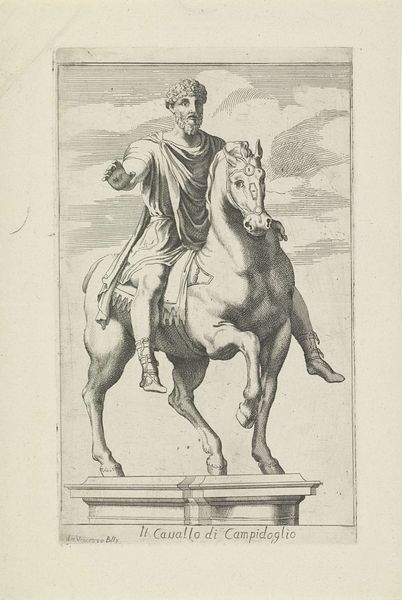
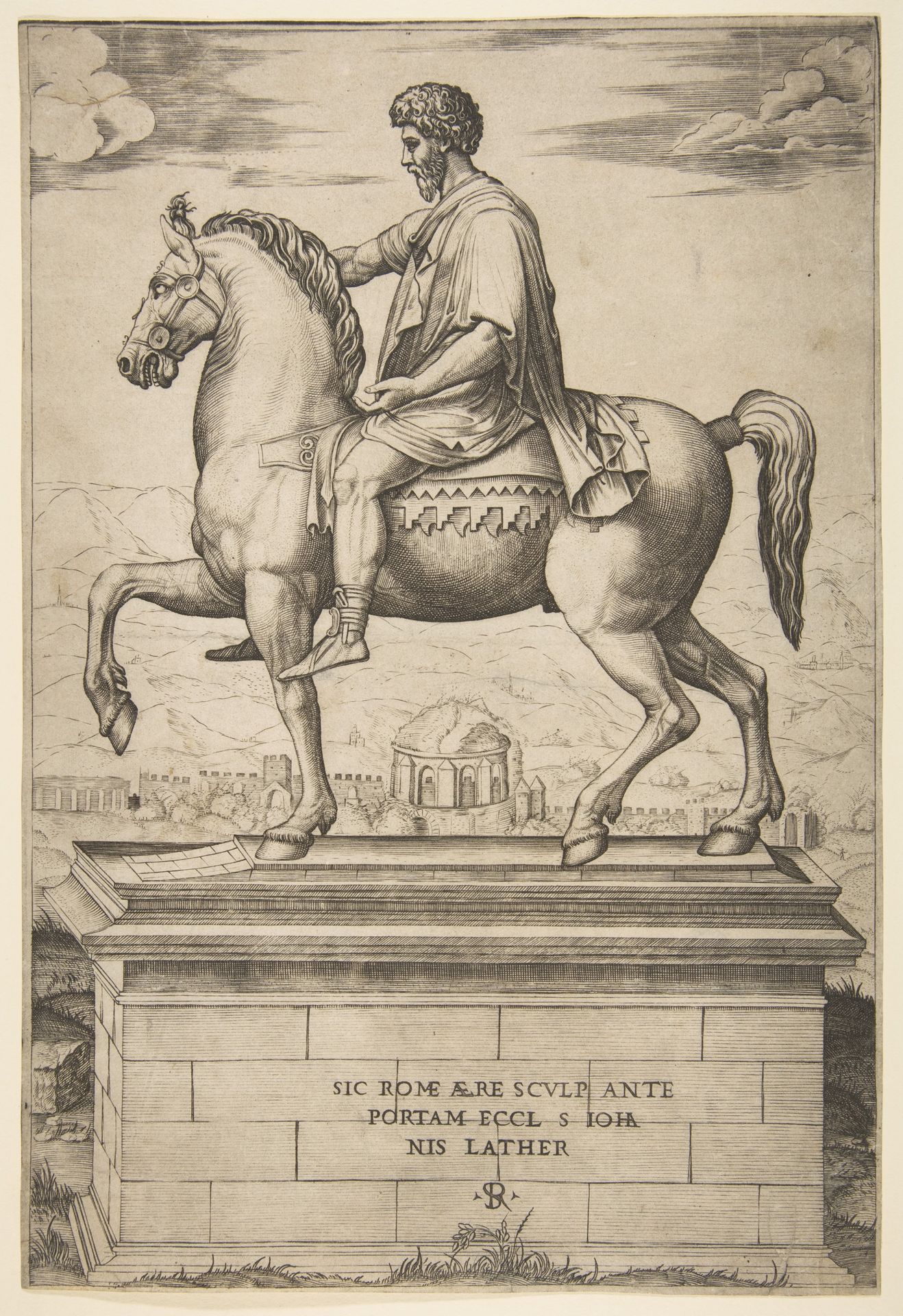
This engraving of the Equestrian Statue of Marcus Aurelius was made by Marco Dente, an Italian printmaker, sometime between 1515 and 1527. The print attests to the enduring power of classical imagery in Renaissance Italy. The equestrian statue, originally in bronze, stood as a potent symbol of Roman imperial authority. Its display in public spaces reinforced the political ideals of the time, linking rulers to the grandeur of the Roman Empire. But its meaning has never been fixed. Dente's image reproduces the statue from life, but also alludes to its location outside the Lateran Palace, once the main papal seat. The building appears in the background. This recontextualization brings together ideas of civic and religious power. Historians study such images alongside other documents – letters, inventories, and architectural plans – to better understand the complex social and institutional forces that have shaped the meaning of art over time.
Equestrian Statue of Marcus Aurelius 1515 - 1527


Artwork details
- Medium
- drawing, print, sculpture, engraving
- Dimensions
- Sheet (Trimmed): 13 3/8 × 9 1/8 in. (33.9 × 23.1 cm)
- Location
- Metropolitan Museum of Art, New York, NY
- Copyright
- Public Domain
Tags
portrait
drawing
figuration
11_renaissance
sculpture
portrait drawing
italian-renaissance
engraving
Comments
No comments
About this artwork
This engraving of the Equestrian Statue of Marcus Aurelius was made by Marco Dente, an Italian printmaker, sometime between 1515 and 1527. The print attests to the enduring power of classical imagery in Renaissance Italy. The equestrian statue, originally in bronze, stood as a potent symbol of Roman imperial authority. Its display in public spaces reinforced the political ideals of the time, linking rulers to the grandeur of the Roman Empire. But its meaning has never been fixed. Dente's image reproduces the statue from life, but also alludes to its location outside the Lateran Palace, once the main papal seat. The building appears in the background. This recontextualization brings together ideas of civic and religious power. Historians study such images alongside other documents – letters, inventories, and architectural plans – to better understand the complex social and institutional forces that have shaped the meaning of art over time.
Comments
No comments