About this artwork
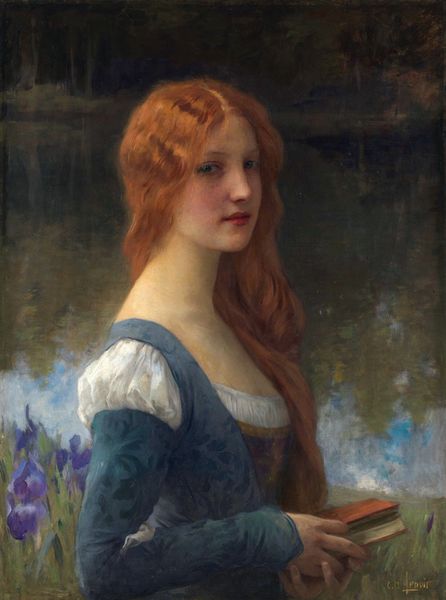
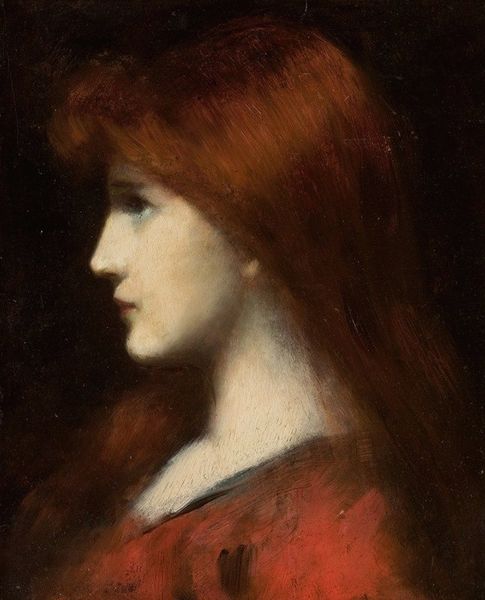
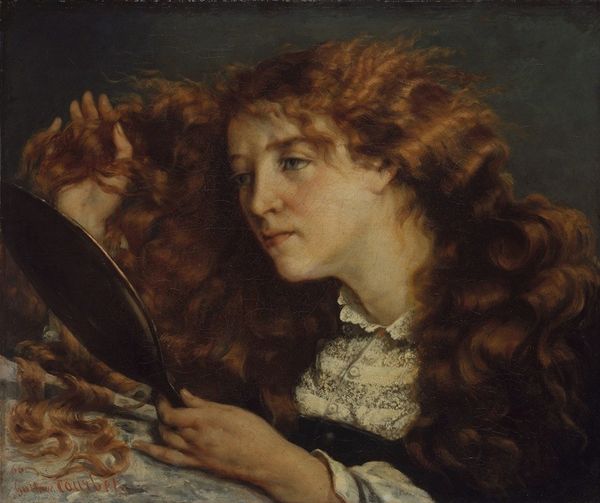
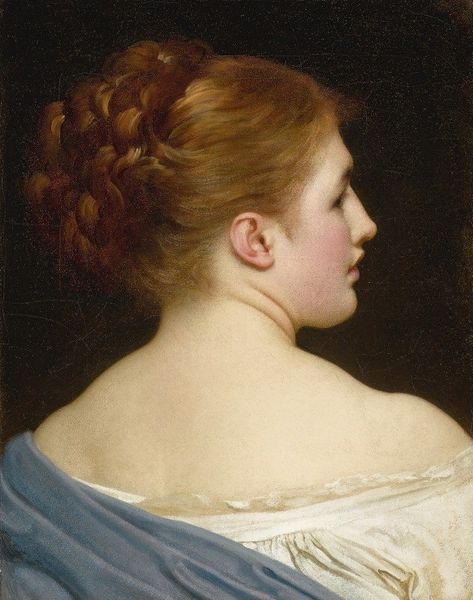
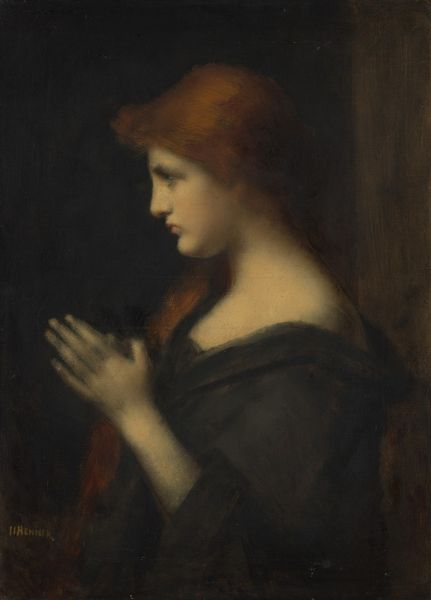
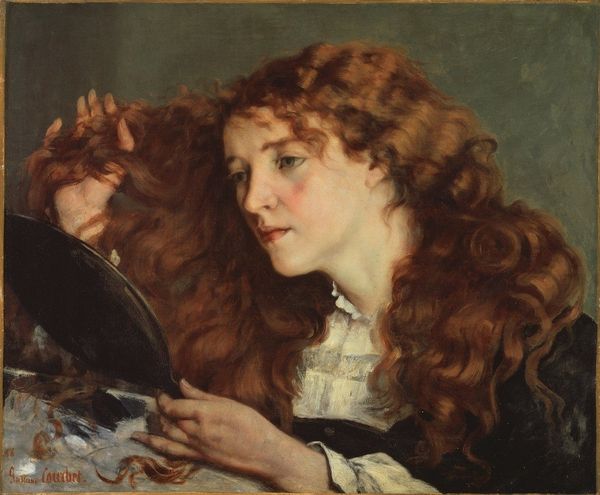
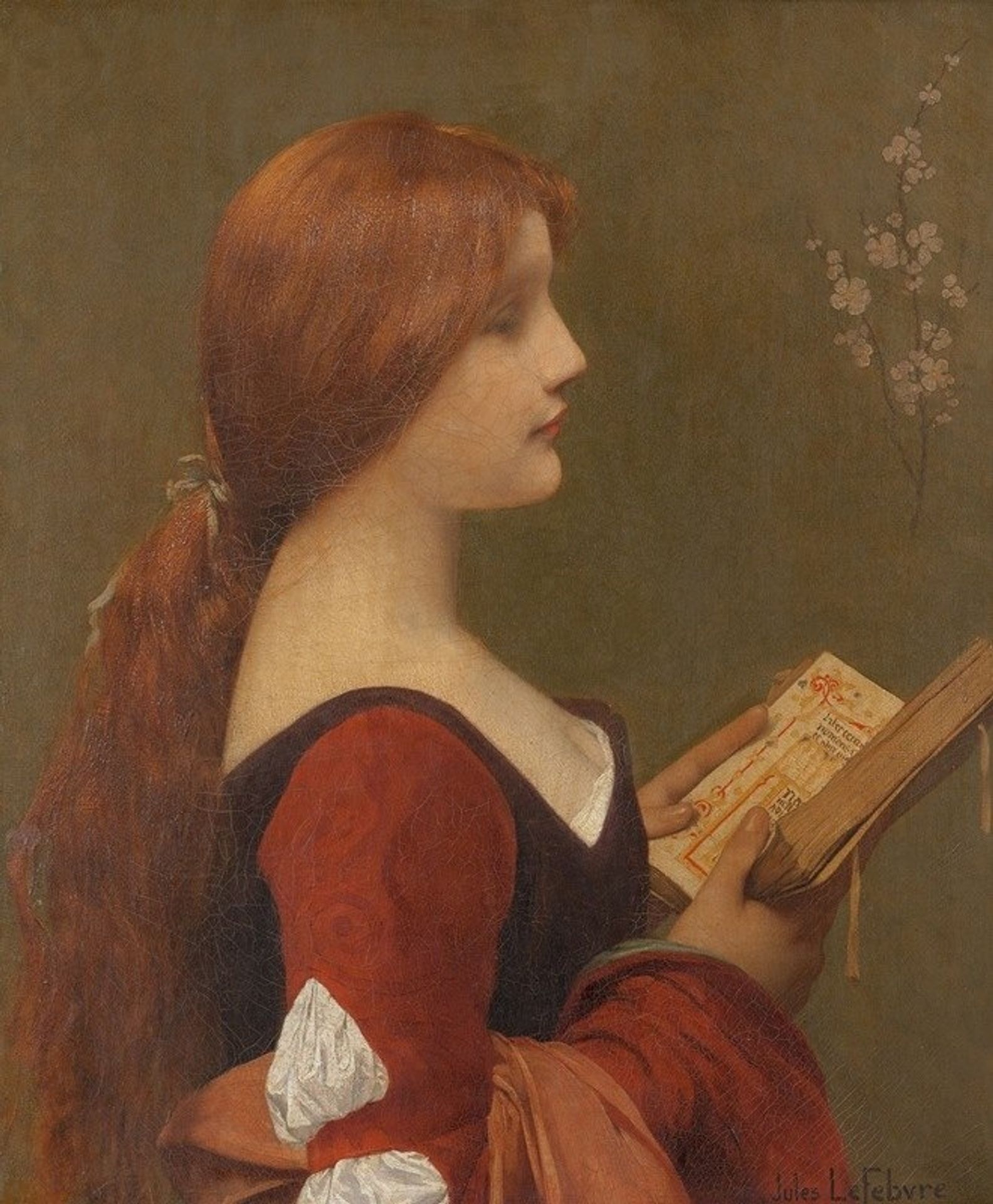
Jules Joseph Lefebvre painted this artwork, called "Jeanne la Rousse", in France. Lefebvre, working within the academic tradition, often depicted female figures, exploring themes of beauty and identity. This portrait, focusing on a woman with red hair, invites us to consider the historical perceptions and stereotypes associated with redheads, especially women, in European cultures. Historically, red hair was often stigmatized, linked to myths of witchcraft or seen as a mark of otherness. Lefebvre, rather than perpetuating negative stereotypes, offers us a vision of quiet dignity. The woman's engagement with a book, a symbol of knowledge and intellect, challenges simplistic views, and suggests the possibility of a rich inner life. "Jeanne la Rousse" stands as a testament to the power of art to reframe cultural narratives. It encourages us to look beyond surface appearances and to recognize the individuality and complexity of each person.

Artwork details
- Medium
- painting, oil-paint
- Copyright
- Public Domain: Artvee
Tags
portrait
painting
oil-paint
oil painting
romanticism
genre-painting
Comments
No comments
About this artwork
Jules Joseph Lefebvre painted this artwork, called "Jeanne la Rousse", in France. Lefebvre, working within the academic tradition, often depicted female figures, exploring themes of beauty and identity. This portrait, focusing on a woman with red hair, invites us to consider the historical perceptions and stereotypes associated with redheads, especially women, in European cultures. Historically, red hair was often stigmatized, linked to myths of witchcraft or seen as a mark of otherness. Lefebvre, rather than perpetuating negative stereotypes, offers us a vision of quiet dignity. The woman's engagement with a book, a symbol of knowledge and intellect, challenges simplistic views, and suggests the possibility of a rich inner life. "Jeanne la Rousse" stands as a testament to the power of art to reframe cultural narratives. It encourages us to look beyond surface appearances and to recognize the individuality and complexity of each person.
Comments
No comments