About this artwork
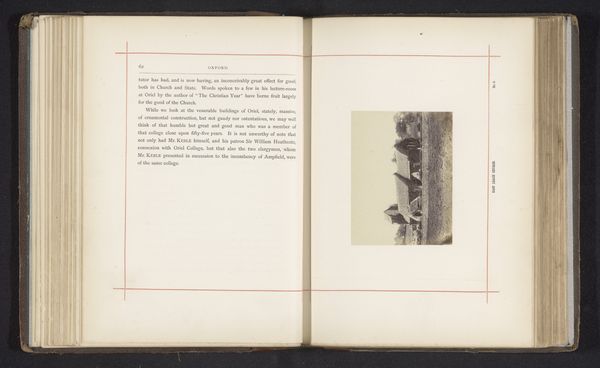
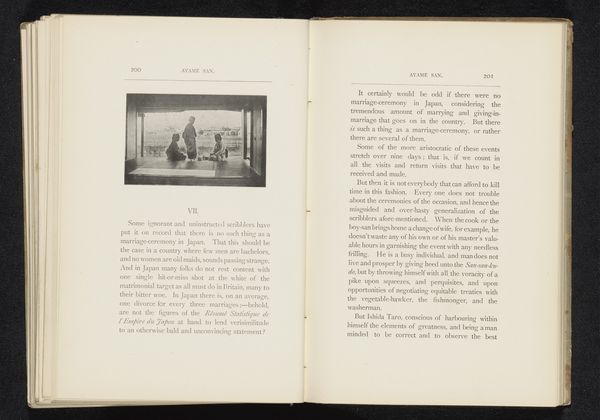
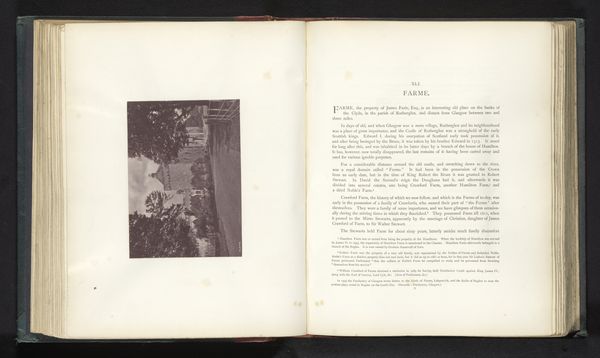
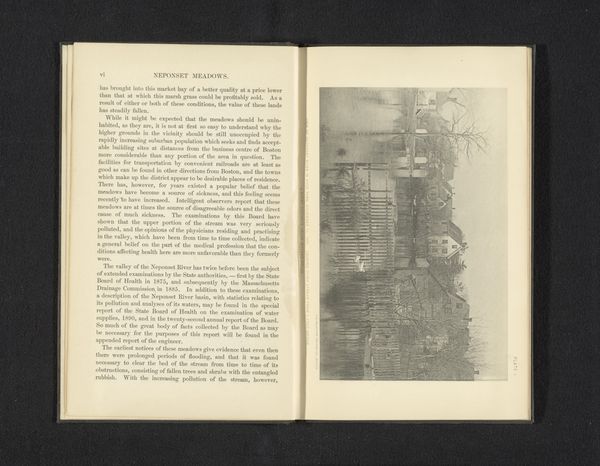
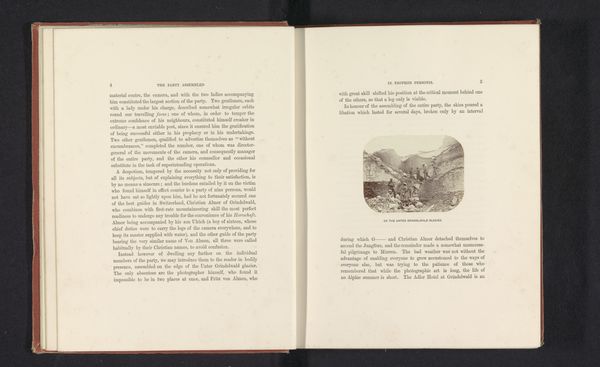
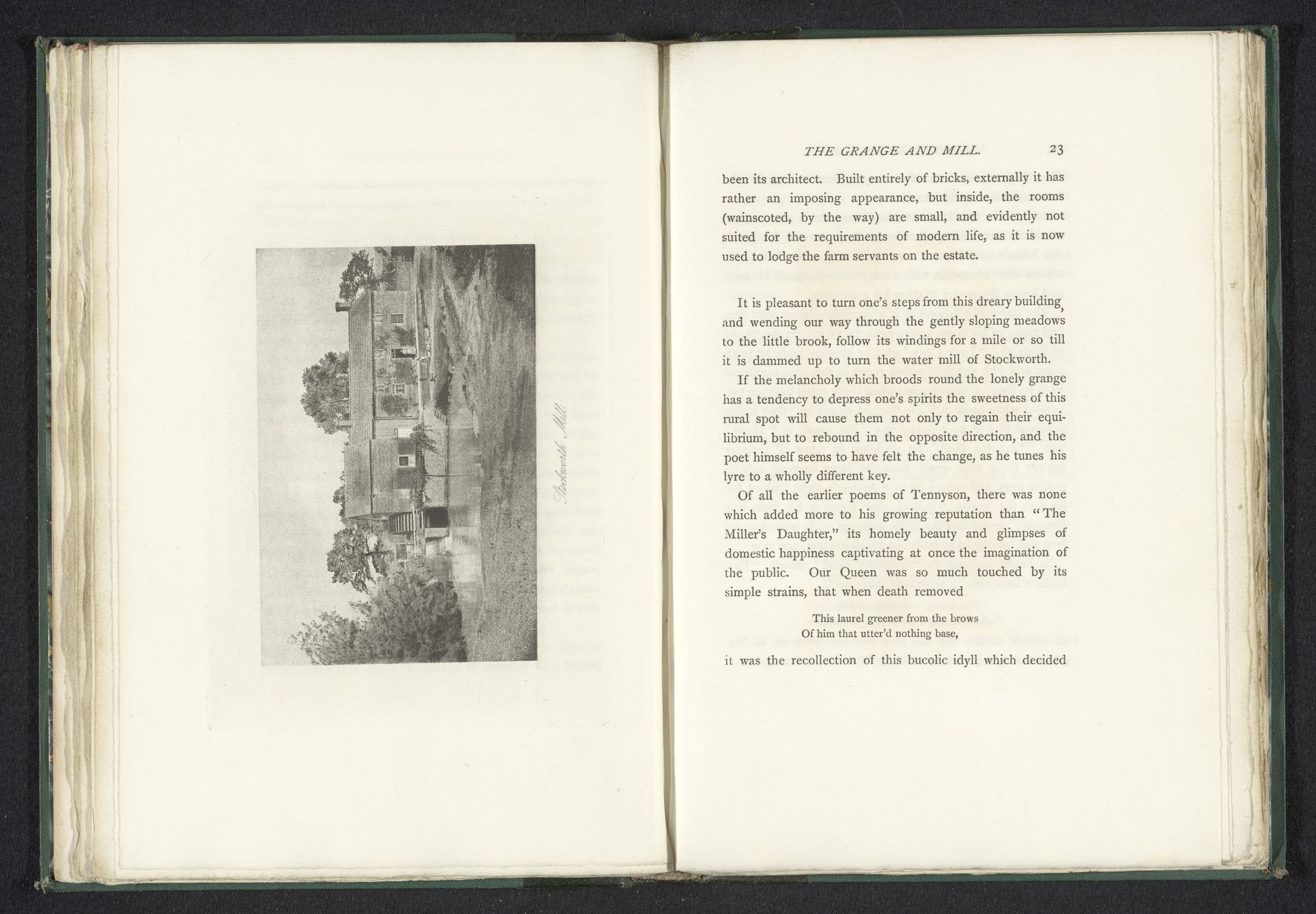
This is a monochrome print of Stockworth Mill by G.G. Napier. The mill’s architecture is presented through a deliberate arrangement of shapes and textures, emphasizing the interplay of light and shadow across the building. The artist employs sharp lines to define the structure. The composition guides our gaze from the detailed facade of the mill to the surrounding environment. Napier captures the aesthetic qualities of the mill and creates a dialogue between its architectural form and the pastoral setting. This interplay suggests a deeper engagement with the romantic ideal of architecture and landscape. The structural contrasts within the image—between the geometric precision of the building and the organic forms of the landscape—highlight the artwork's concern with harmony and tension. This formal exploration resonates with the period’s broader concerns about place. The visual effect serves to engage the viewer in a contemplation of the relationships between buildings and their natural contexts.

Artwork details
- Medium
- print, photography
- Dimensions
- height 69 mm, width 103 mm
- Copyright
- Rijks Museum: Open Domain
Tags
landscape
photography
building
Comments
No comments
About this artwork
This is a monochrome print of Stockworth Mill by G.G. Napier. The mill’s architecture is presented through a deliberate arrangement of shapes and textures, emphasizing the interplay of light and shadow across the building. The artist employs sharp lines to define the structure. The composition guides our gaze from the detailed facade of the mill to the surrounding environment. Napier captures the aesthetic qualities of the mill and creates a dialogue between its architectural form and the pastoral setting. This interplay suggests a deeper engagement with the romantic ideal of architecture and landscape. The structural contrasts within the image—between the geometric precision of the building and the organic forms of the landscape—highlight the artwork's concern with harmony and tension. This formal exploration resonates with the period’s broader concerns about place. The visual effect serves to engage the viewer in a contemplation of the relationships between buildings and their natural contexts.
Comments
No comments