About this artwork
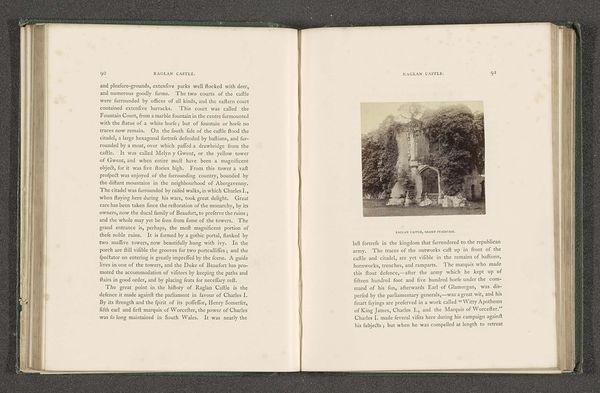
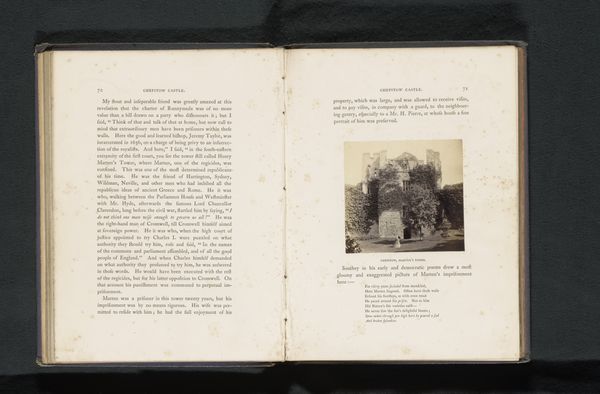
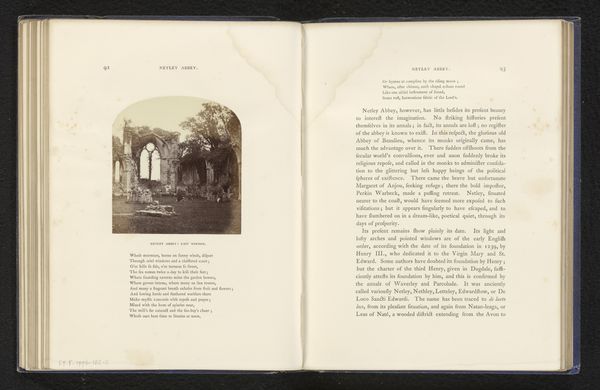
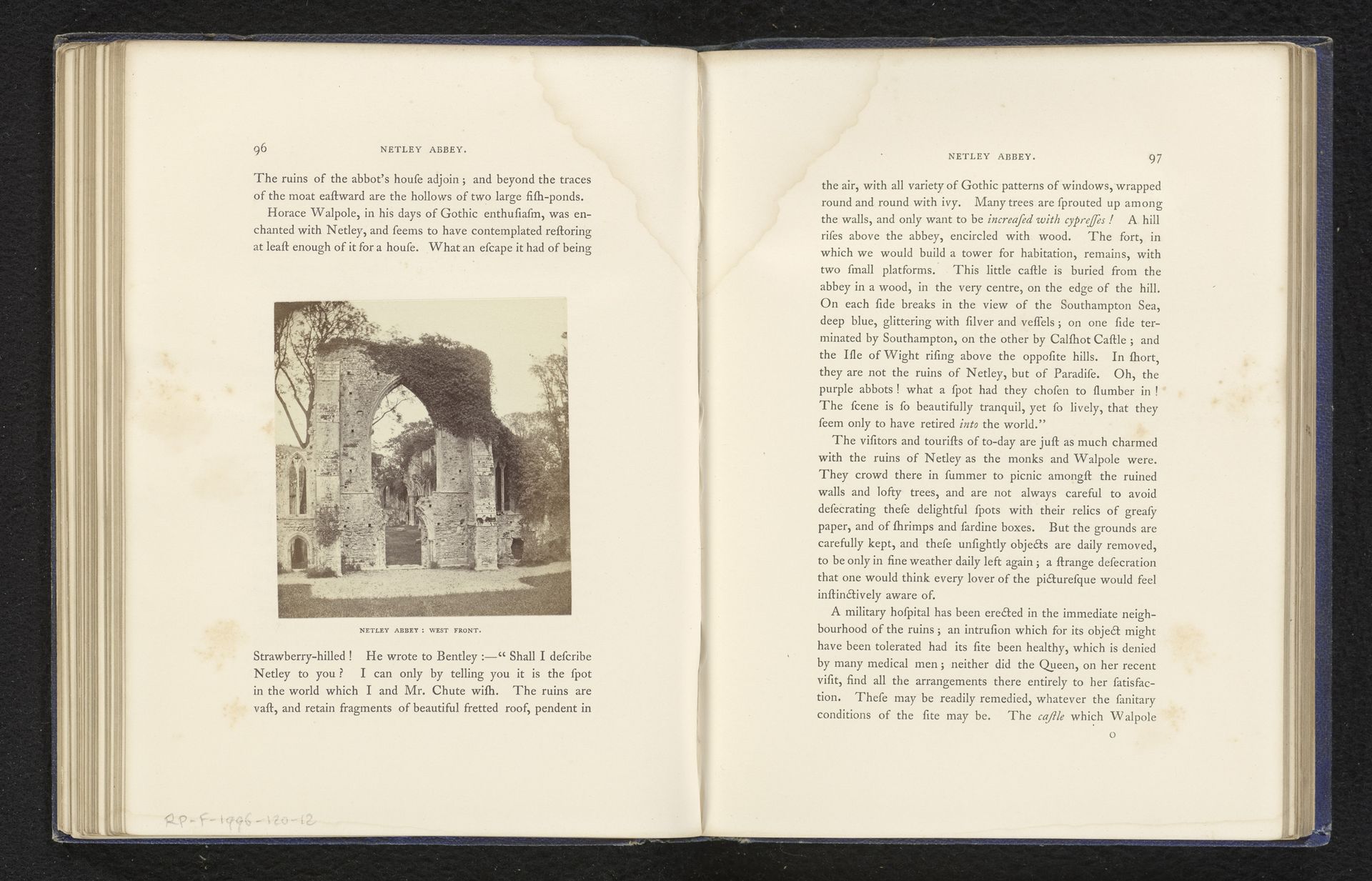
This photograph captures a vignette of Netley Abbey, likely taken in the late 19th century. Dominating the scene is the abbey's skeletal remains, an architectural echo rendered in stone. Ivy, a symbol of memory and eternal life, clings to the structure, blurring the lines between nature and human creation. The ruin itself becomes a potent motif, evocative of transience and the inevitable decay of earthly structures. This echoes motifs found in Renaissance vanitas paintings. Consider the crumbling monuments in Nicolas Poussin's landscapes, where classical ruins symbolize the fall of empires and the passage of time. Netley Abbey becomes a stage upon which nature reclaims civilization. The emotional resonance lies in the acceptance of decay, highlighting the cyclical nature of life, death, and rebirth, reminding us of the ephemerality of human achievements.

Artwork details
- Medium
- print, photography, site-specific, albumen-print
- Dimensions
- height 87 mm, width 81 mm
- Copyright
- Rijks Museum: Open Domain
Tags
medieval
landscape
house
photography
site-specific
albumen-print
Comments
Be the first to share your thoughts about this work.
About this artwork
This photograph captures a vignette of Netley Abbey, likely taken in the late 19th century. Dominating the scene is the abbey's skeletal remains, an architectural echo rendered in stone. Ivy, a symbol of memory and eternal life, clings to the structure, blurring the lines between nature and human creation. The ruin itself becomes a potent motif, evocative of transience and the inevitable decay of earthly structures. This echoes motifs found in Renaissance vanitas paintings. Consider the crumbling monuments in Nicolas Poussin's landscapes, where classical ruins symbolize the fall of empires and the passage of time. Netley Abbey becomes a stage upon which nature reclaims civilization. The emotional resonance lies in the acceptance of decay, highlighting the cyclical nature of life, death, and rebirth, reminding us of the ephemerality of human achievements.
Comments
Be the first to share your thoughts about this work.