About this artwork
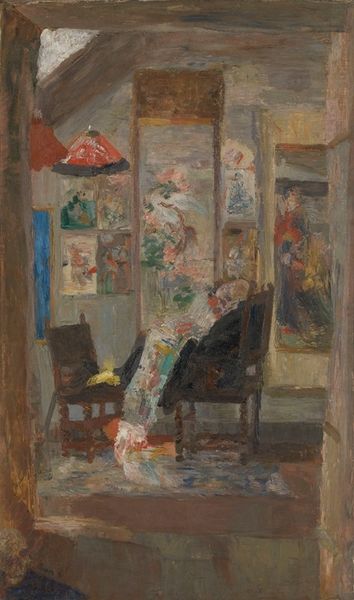
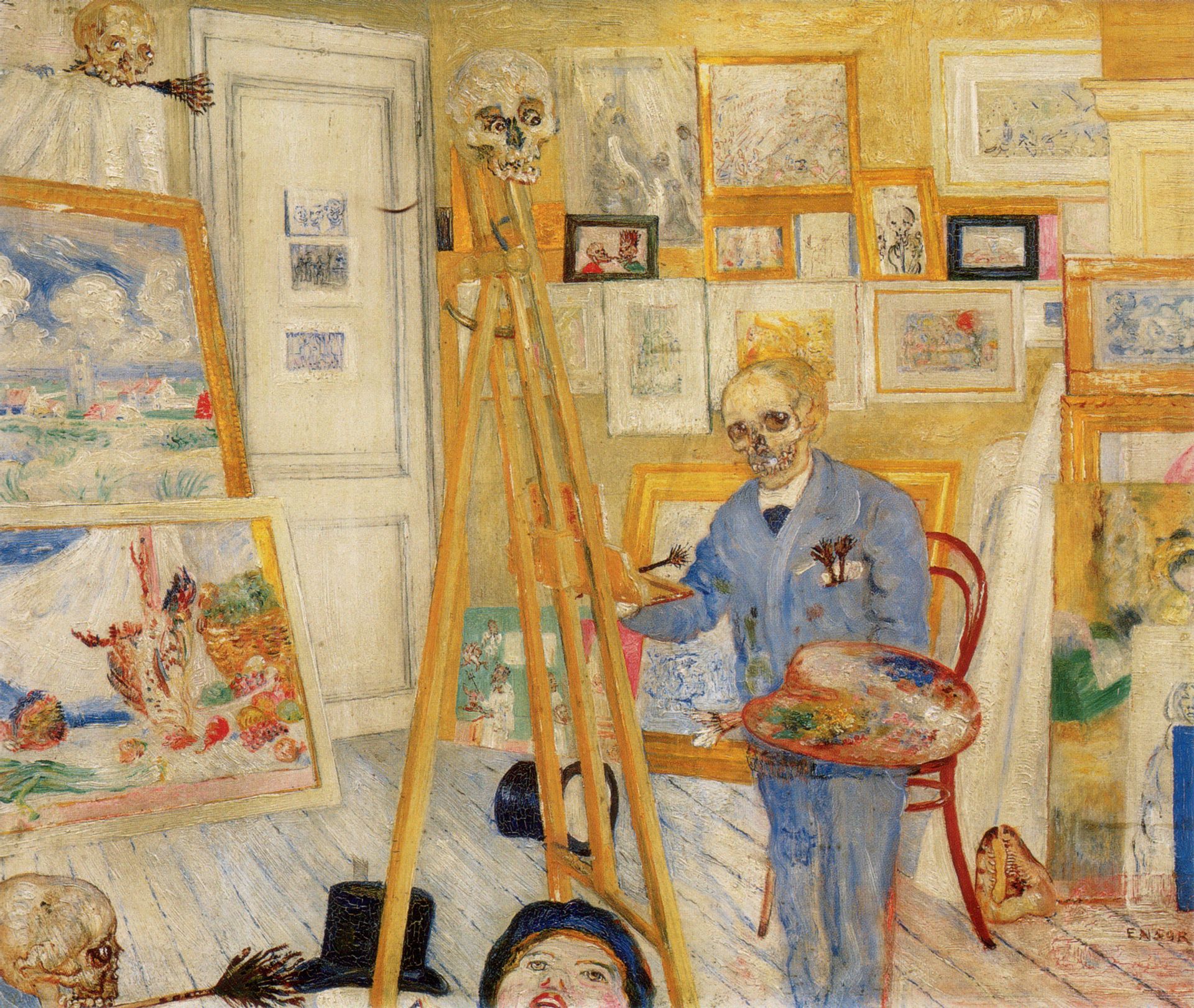
James Ensor made this oil painting, The Skeleton Painter, at an unknown date. Ensor here satirizes the art world through the use of grotesque imagery and absurdist scenarios. The artwork's meaning is deeply rooted in the cultural and social context of late 19th-century Belgium. Ensor was associated with the avant-garde art group Les XX, which challenged the conservative academic norms of the Belgian art establishment. The choice of skeletons as subjects critiques the superficiality and the morbid commercialism of the art market. The artist, as a skeleton, may be a commentary on the artist’s perceived role in society, perhaps questioning the artist’s own mortality. The image reflects the cultural preoccupation with death and decay, prevalent in Symbolist art and literature of the time. To fully understand Ensor's work, scholars consult historical archives, exhibition catalogs, and critical reviews from the period. The meaning of art is always contingent on the social and institutional conditions in which it is made.

Artwork details
- Medium
- painting, oil-paint, impasto
- Copyright
- Public domain
Tags
portrait
art-nouveau
self-portrait
narrative-art
painting
oil-paint
figuration
oil painting
impasto
momento-mori
expressionism
symbolism
genre-painting
post-impressionism
Comments
No comments
About this artwork
James Ensor made this oil painting, The Skeleton Painter, at an unknown date. Ensor here satirizes the art world through the use of grotesque imagery and absurdist scenarios. The artwork's meaning is deeply rooted in the cultural and social context of late 19th-century Belgium. Ensor was associated with the avant-garde art group Les XX, which challenged the conservative academic norms of the Belgian art establishment. The choice of skeletons as subjects critiques the superficiality and the morbid commercialism of the art market. The artist, as a skeleton, may be a commentary on the artist’s perceived role in society, perhaps questioning the artist’s own mortality. The image reflects the cultural preoccupation with death and decay, prevalent in Symbolist art and literature of the time. To fully understand Ensor's work, scholars consult historical archives, exhibition catalogs, and critical reviews from the period. The meaning of art is always contingent on the social and institutional conditions in which it is made.
Comments
No comments