About this artwork
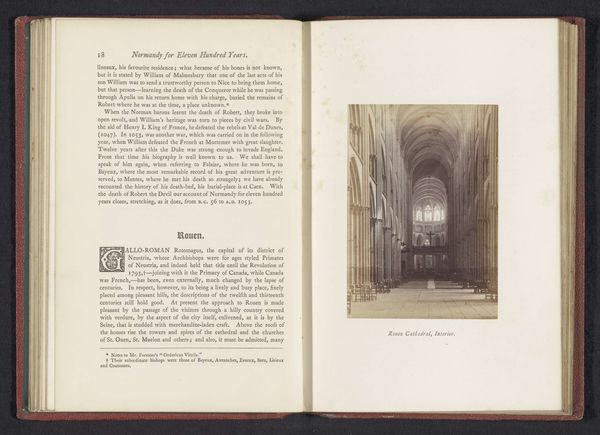
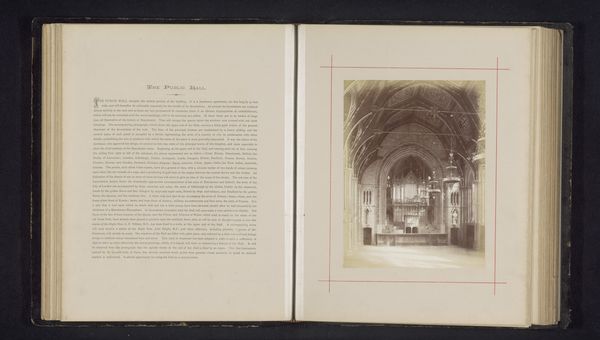
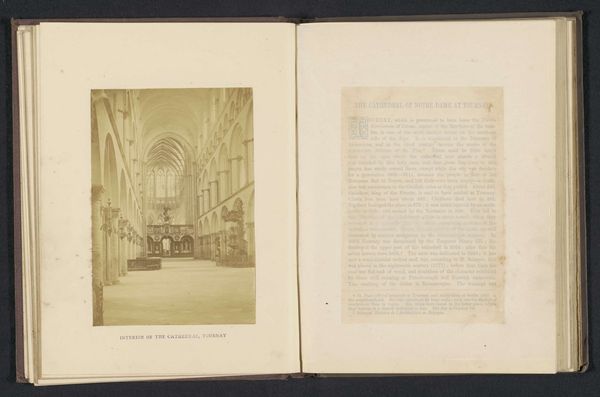
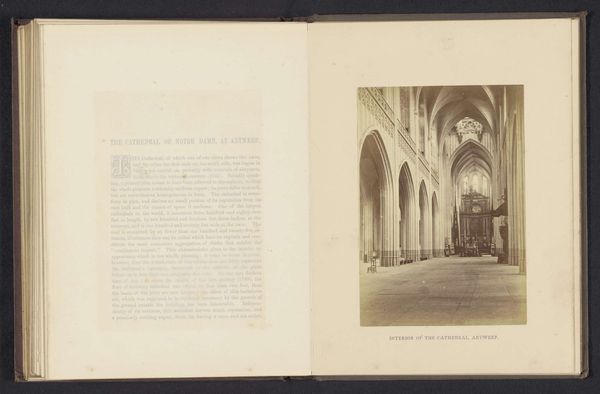
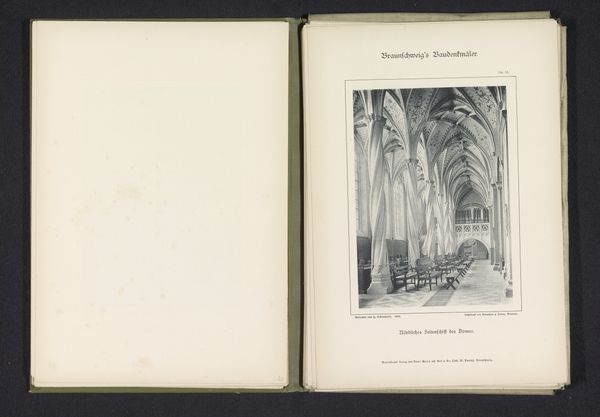
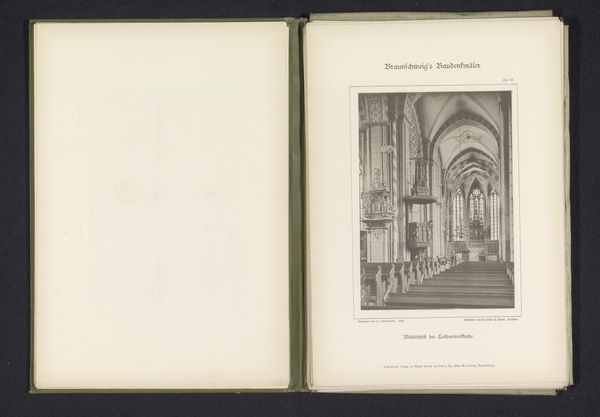
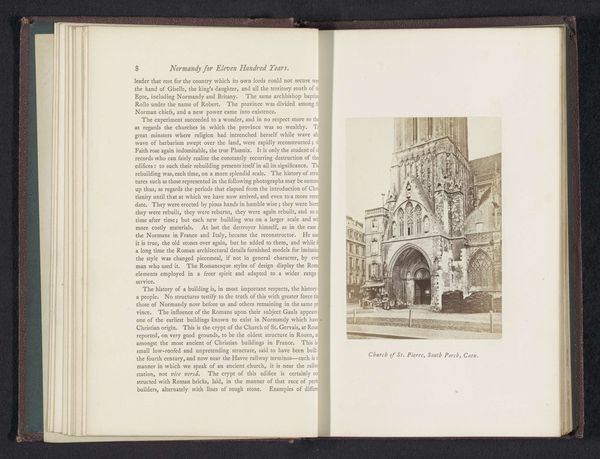
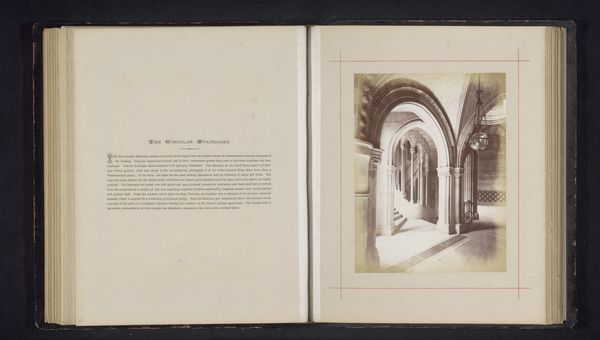
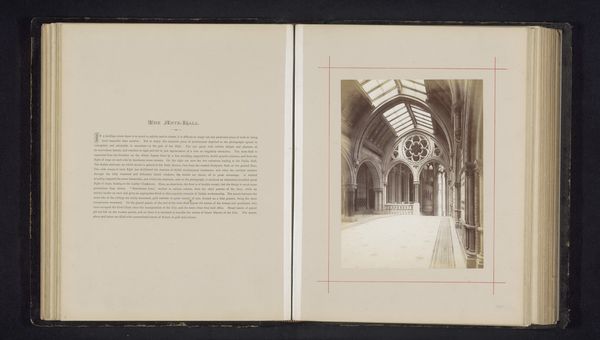
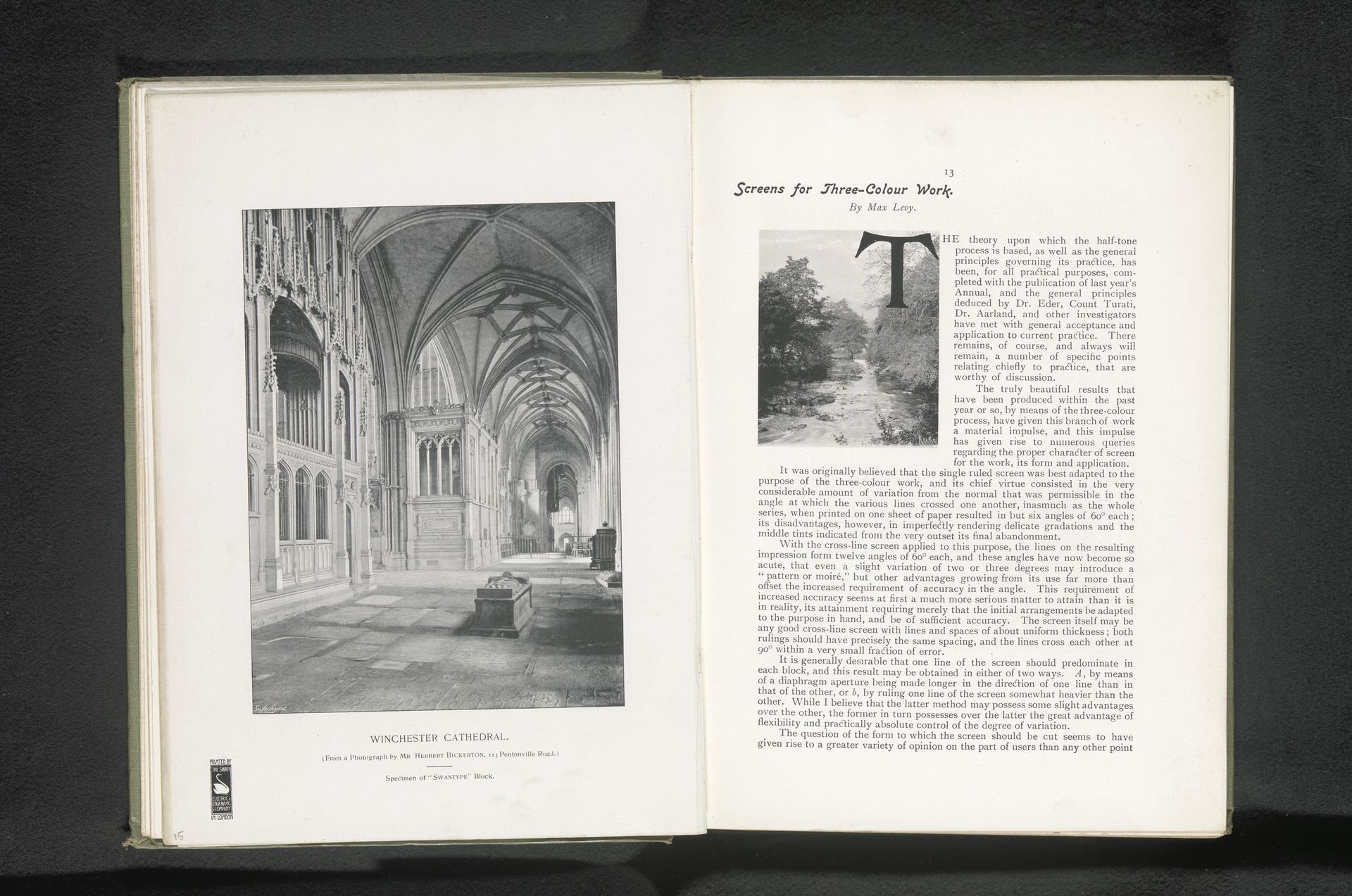
This photograph of the interior of Winchester Cathedral was produced as a specimen of 'Hiorotype' work, a now obscure early photomechanical printing process. The cathedral looms here as more than mere architecture; it’s a testament to centuries of shifting social, religious, and political power in England. Winchester Cathedral, like many grand cathedrals, was not just a place of worship. It was a stage upon which the drama of monarchy, class, and spiritual authority played out. Consider the architectural language: the soaring Gothic arches, the light filtering through stained glass. These elements speak to a hierarchical society, where the church was an intermediary between the earthly and the divine. To truly understand an image like this, we need to engage with various archives, architectural records, and religious texts. By doing so, we reveal the intricate ways in which art reflects and reinforces the values of its time.

Artwork details
- Medium
- print, photography, site-specific, gelatin-silver-print, architecture
- Dimensions
- height 164 mm, width 121 mm
- Copyright
- Rijks Museum: Open Domain
Tags
medieval
photography
site-specific
gelatin-silver-print
cityscape
architecture
Comments
Be the first to share your thoughts about this work.
About this artwork
This photograph of the interior of Winchester Cathedral was produced as a specimen of 'Hiorotype' work, a now obscure early photomechanical printing process. The cathedral looms here as more than mere architecture; it’s a testament to centuries of shifting social, religious, and political power in England. Winchester Cathedral, like many grand cathedrals, was not just a place of worship. It was a stage upon which the drama of monarchy, class, and spiritual authority played out. Consider the architectural language: the soaring Gothic arches, the light filtering through stained glass. These elements speak to a hierarchical society, where the church was an intermediary between the earthly and the divine. To truly understand an image like this, we need to engage with various archives, architectural records, and religious texts. By doing so, we reveal the intricate ways in which art reflects and reinforces the values of its time.
Comments
Be the first to share your thoughts about this work.