About this artwork
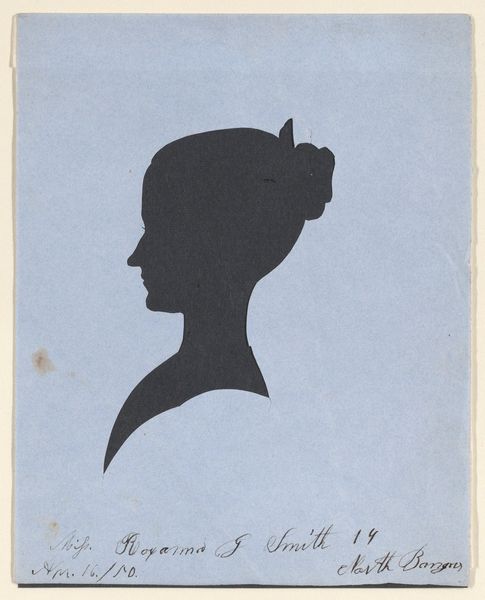
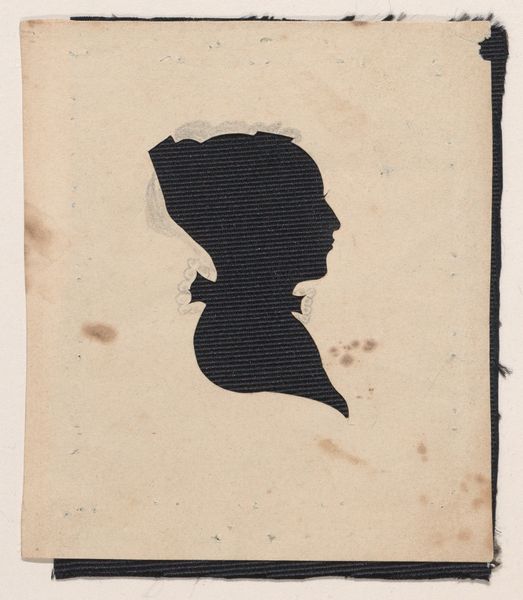
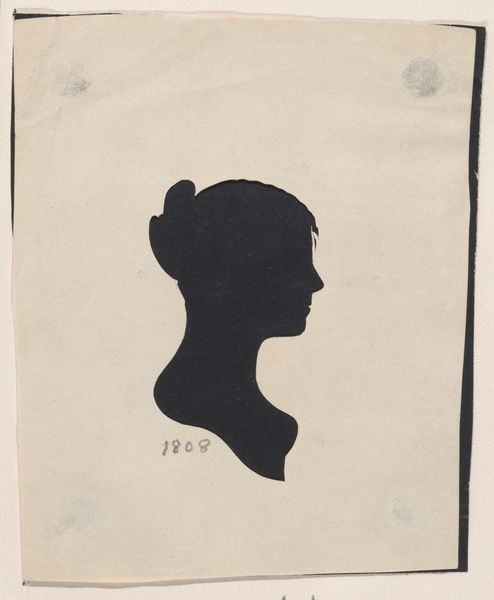
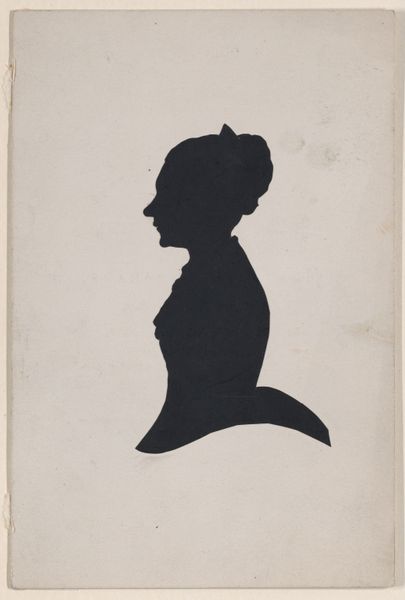
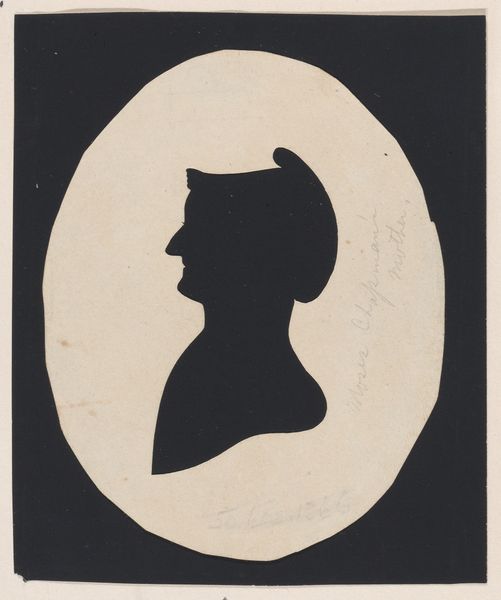
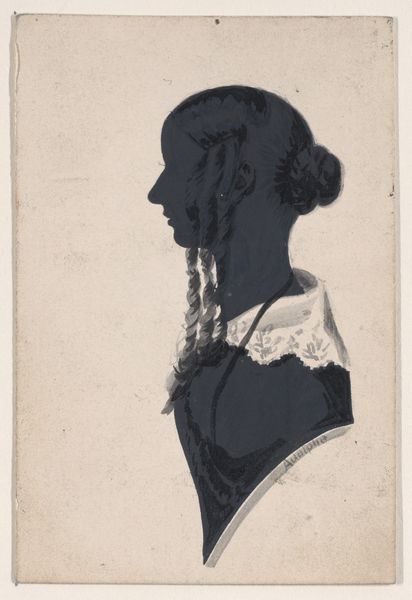
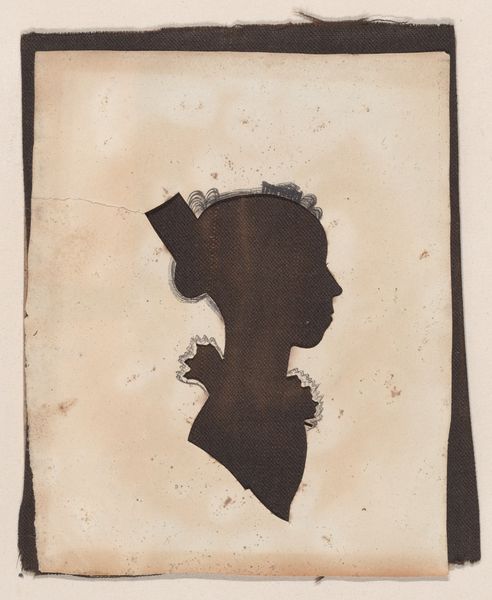
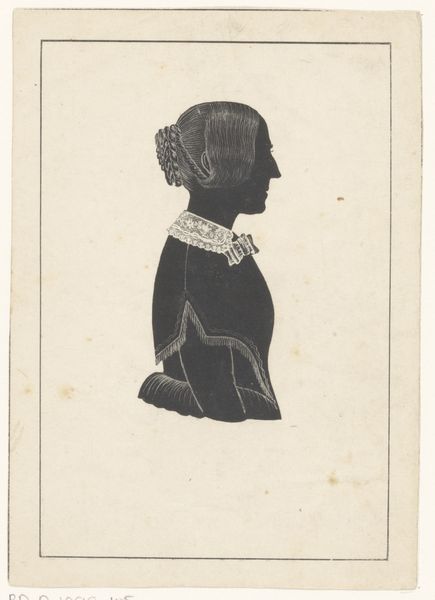
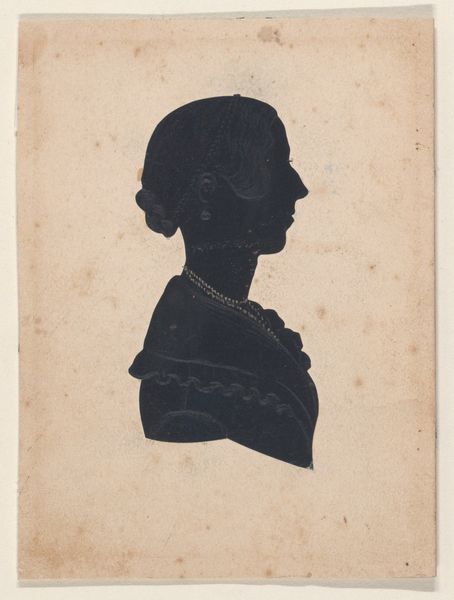
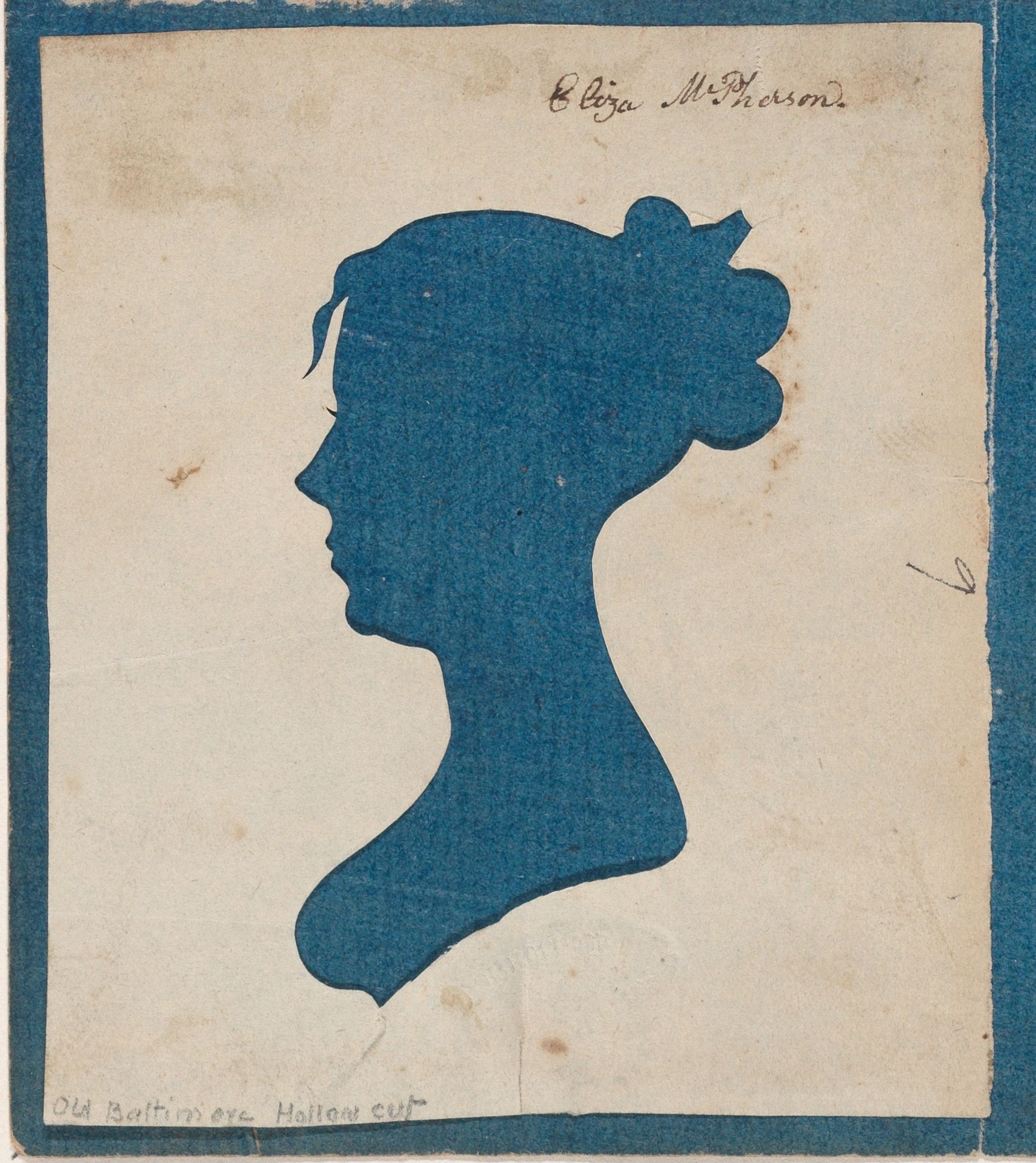
This delicate silhouette of Eliza McPherson, made by W. Bruff, presents us with more than just a likeness; it whispers tales of cultural memory. The profile, stark and elegant, echoes the ancient Roman tradition of portraiture, where the profile captured the essence of an individual. Like coins bearing the emperor's image, silhouettes were a way to preserve and disseminate identity. This seemingly simple form resonates through time, linking Eliza to a lineage of portraits stretching back millennia. Consider the psychological weight of such a profile. It reduces a person to their outline, highlighting the immutable bone structure beneath the ever-changing mask of emotion. This act of reduction, of distilling a person to their most basic shape, speaks to our subconscious desire to define and categorize, to capture the fleeting nature of existence. And so, the silhouette persists, a constant echo in the corridors of time.
Silhouette of Eliza McPherson 1800 - 1900


Artwork details
- Medium
- drawing, paper
- Dimensions
- Sheet: 3 5/8 × 3 1/8 in. (9.2 × 7.9 cm) Mount: 3 15/16 × 6 7/16 in. (10 × 16.4 cm)
- Location
- Metropolitan Museum of Art, New York, NY
- Copyright
- Public Domain
Tags
portrait
drawing
figuration
paper
form
coloured pencil
line
Comments
No comments
About this artwork
This delicate silhouette of Eliza McPherson, made by W. Bruff, presents us with more than just a likeness; it whispers tales of cultural memory. The profile, stark and elegant, echoes the ancient Roman tradition of portraiture, where the profile captured the essence of an individual. Like coins bearing the emperor's image, silhouettes were a way to preserve and disseminate identity. This seemingly simple form resonates through time, linking Eliza to a lineage of portraits stretching back millennia. Consider the psychological weight of such a profile. It reduces a person to their outline, highlighting the immutable bone structure beneath the ever-changing mask of emotion. This act of reduction, of distilling a person to their most basic shape, speaks to our subconscious desire to define and categorize, to capture the fleeting nature of existence. And so, the silhouette persists, a constant echo in the corridors of time.
Comments
No comments