1320
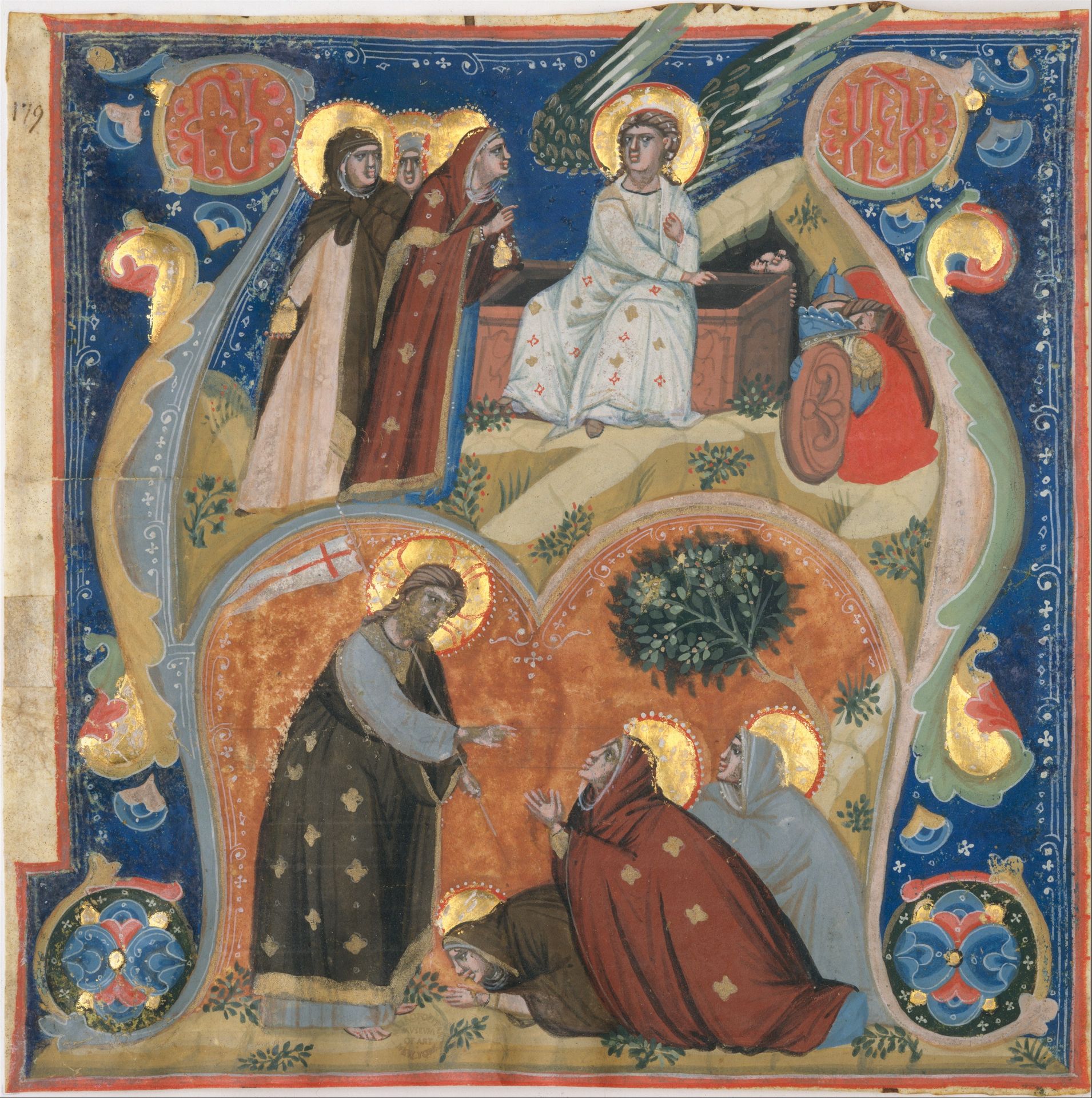
Manuscript Illumination with Scenes of Easter in an Initial A, from an Antiphonary


Listen to curator's interpretation
Curatorial notes
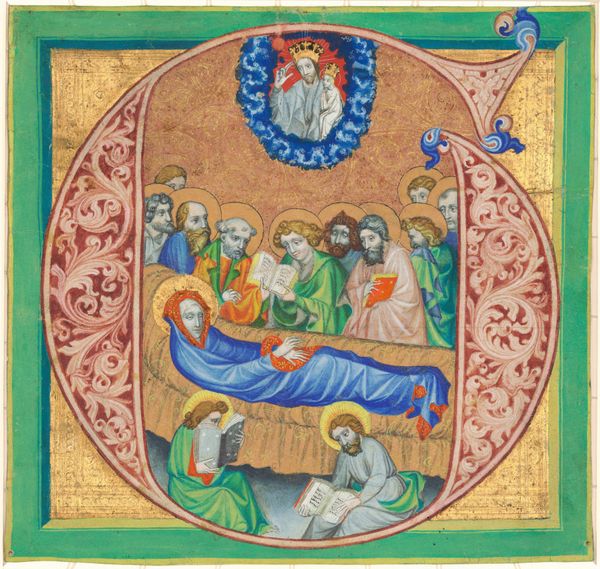
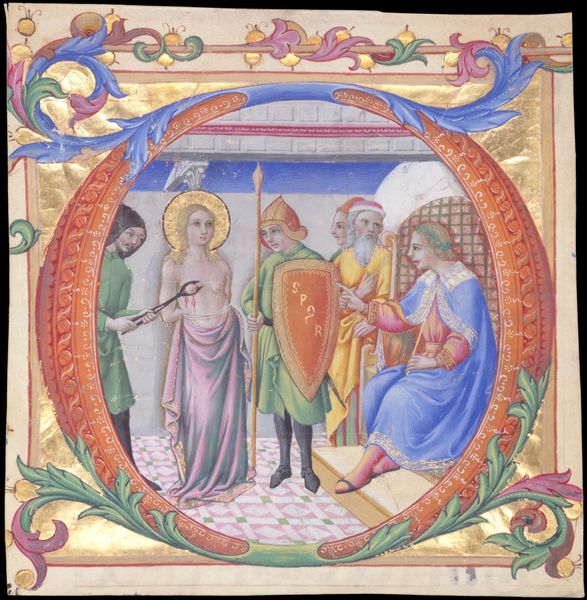
This illuminated manuscript with Easter scenes was created around 1310-1325 by Nerius, opening an antiphonary. Dominating the composition is the figure of the angel, a divine messenger, seated at the empty tomb, a potent symbol of Christ's resurrection and the promise of salvation. Notice how this scene is framed within the initial "A", a common practice in medieval manuscripts, serving as a visual gateway into the sacred narrative. The motif of the angel at the tomb echoes through centuries, appearing in various forms across different cultures. Consider the Winged Victory of Samothrace, a Hellenistic sculpture where the winged figure embodies triumph and divine presence. The emotional weight of the Easter story is palpable, particularly in the reactions of the women. In their gestures of disbelief and awe, we see a raw, human response to the divine, engaging viewers on a subconscious level. The archetype of the messenger and the tomb constantly resurfaces, evolving to carry different cultural and emotional nuances in each historical context.