About this artwork
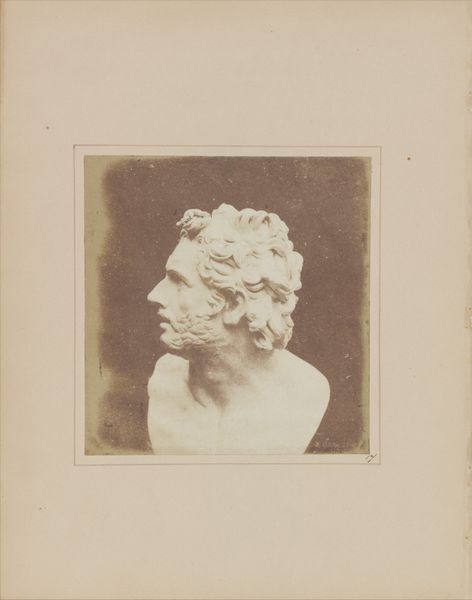
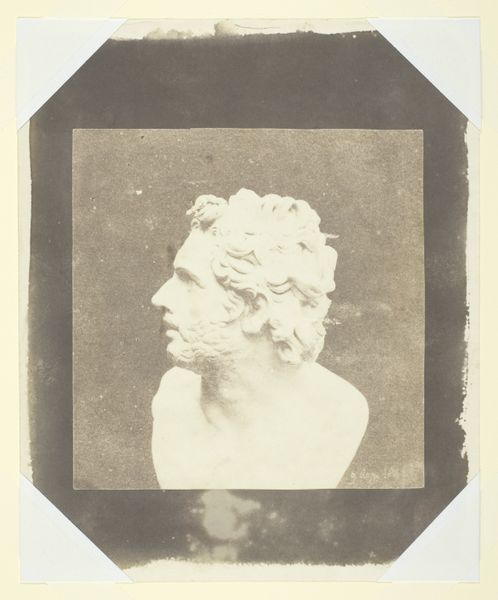
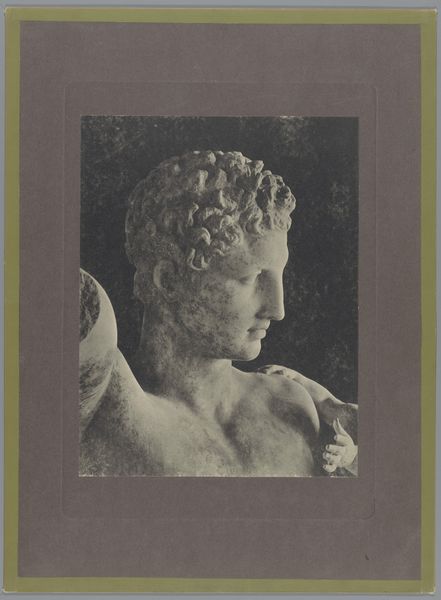
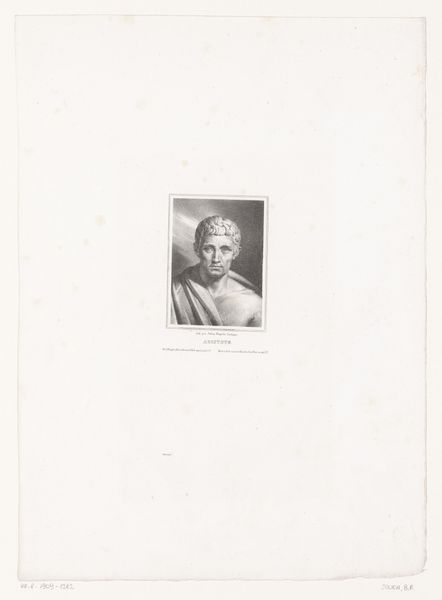
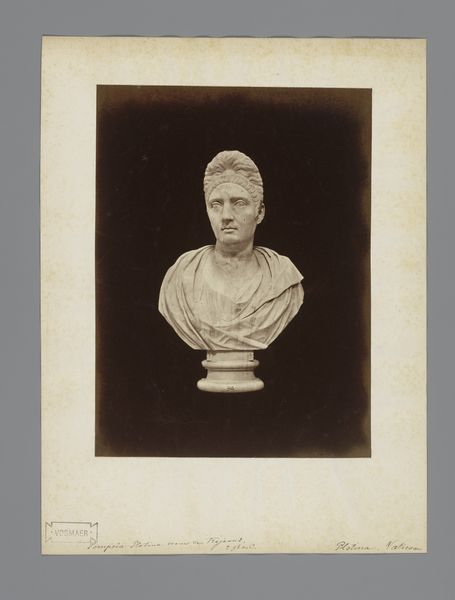
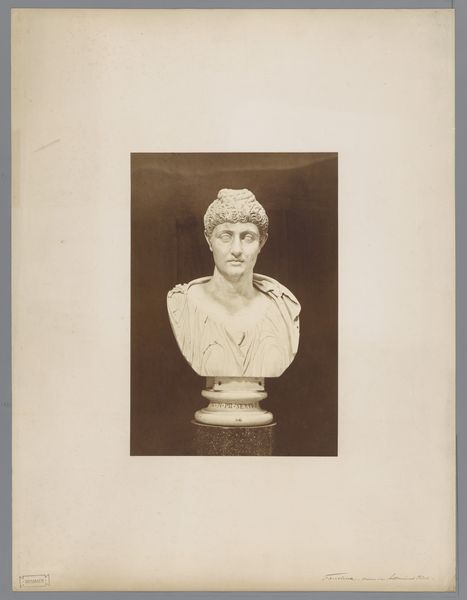
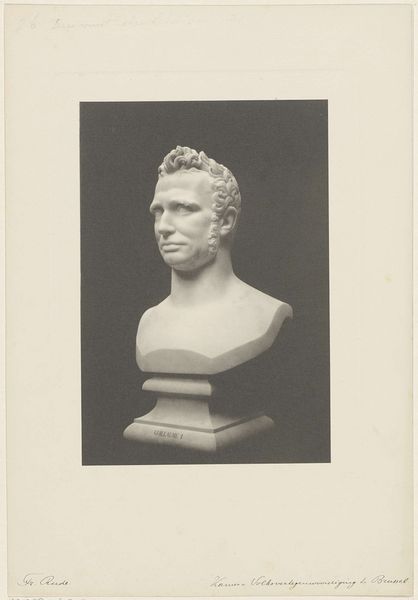
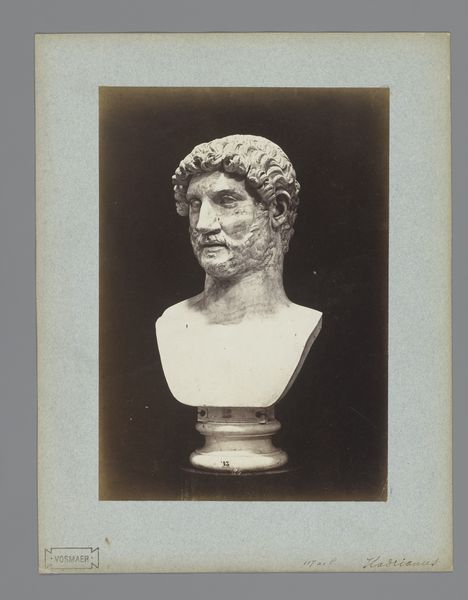
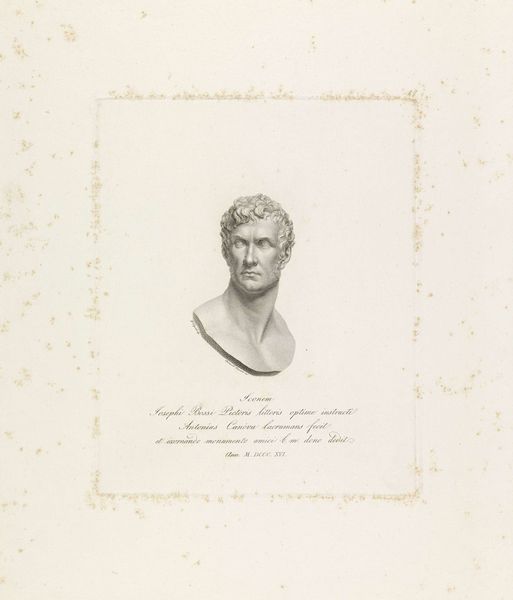
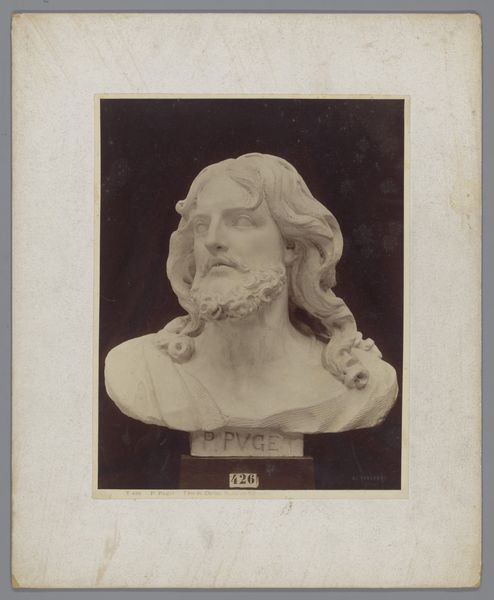
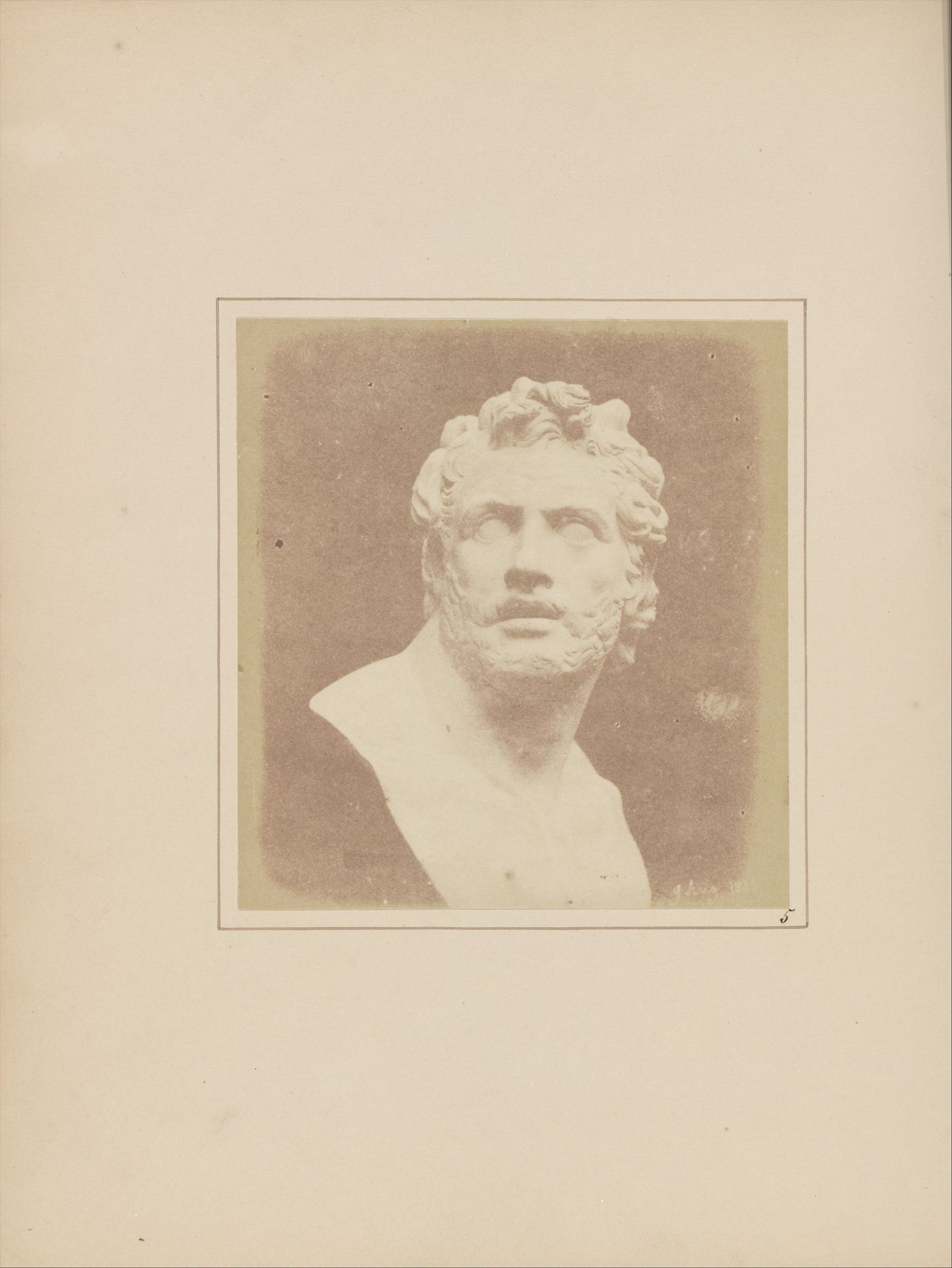
William Henry Fox Talbot made this photograph of a ‘Bust of Patroclus’ sometime in the mid-nineteenth century. It’s a calotype, one of the earliest photographic processes. The choice of subject reveals much about the cultural aspirations of photography at this time. Patroclus was a figure from classical Greek literature, known as the companion of Achilles in Homer’s ‘Iliad’. Photography, as a new medium, sought to align itself with the established prestige of classical art and literature. By photographing sculptures of classical subjects, early photographers like Talbot laid claim to the cultural authority of the past. This institutionally conservative strategy reflected a desire to be recognised as legitimate artists. To better understand these dynamics, one might consult nineteenth-century periodicals and exhibition reviews to gauge photography’s reception in the art world of the time. Examining this and other historical evidence enables us to appreciate how the meaning of art is rooted in its social context.
Bust of Patroclus 1842 - 1844

William Henry Fox Talbot
1800 - 1877
The Metropolitan Museum of Art
Metropolitan Museum of Art, New York, NYArtwork details
- Medium
- daguerreotype, photography, sculpture
- Location
- Metropolitan Museum of Art, New York, NY
- Copyright
- Public Domain
Tags
portrait
greek-and-roman-art
daguerreotype
classical-realism
photography
sculpture
Comments
No comments
About this artwork
William Henry Fox Talbot made this photograph of a ‘Bust of Patroclus’ sometime in the mid-nineteenth century. It’s a calotype, one of the earliest photographic processes. The choice of subject reveals much about the cultural aspirations of photography at this time. Patroclus was a figure from classical Greek literature, known as the companion of Achilles in Homer’s ‘Iliad’. Photography, as a new medium, sought to align itself with the established prestige of classical art and literature. By photographing sculptures of classical subjects, early photographers like Talbot laid claim to the cultural authority of the past. This institutionally conservative strategy reflected a desire to be recognised as legitimate artists. To better understand these dynamics, one might consult nineteenth-century periodicals and exhibition reviews to gauge photography’s reception in the art world of the time. Examining this and other historical evidence enables us to appreciate how the meaning of art is rooted in its social context.
Comments
No comments